Daily care should not depend on a crowded counter or a long checklist. The right tools reduce pulling, product waste, and delays that make routines difficult to repeat.
Choose items that fit your hair, skin, storage space, and the time you actually have. A useful kit supports comfortable results without turning ordinary mornings and evenings into a project.

Choose Tools That Earn Their Space
A worthwhile tool solves one routine problem without creating a cleaning or storage problem. Look for easy handling and simple upkeep before deciding it belongs in your bathroom at home.
- Comfort: it should not require hard pressure.
- Speed: it should simplify a step you already do.
- Care: it should be easy to clean and dry.
Use the Five-Minute Test Before You Buy
Ask whether the tool improves a step you already do, not a step it persuades you to add. Then ask whether you can clean, dry, and store it in roughly five minutes after use.
A complicated device can become clutter when upkeep does not match your schedule. Choose practical design, comfortable grip, and one clear daily job.
Reduce Hair Friction Before Adding More Products
Most hair frustration comes from dragging through knots, rough brushing, or restyling the same area. Start with gentle contact and lighter tension before adding another cream, oil, or spray.

Choose a Brush That Separates and Smooths
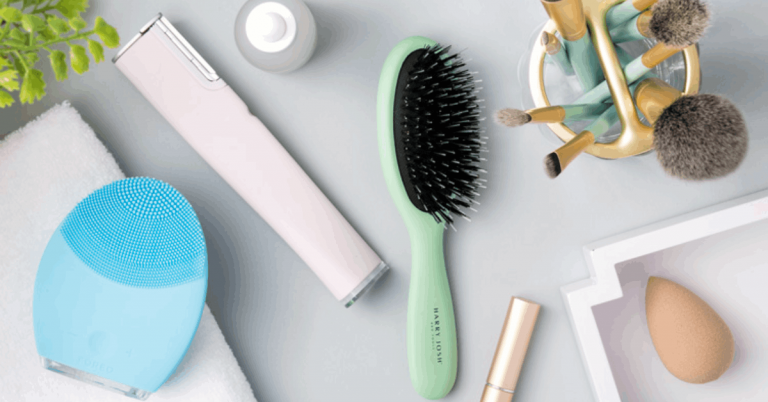
A bristle-and-nylon brush can combine firmer pins for detangling with natural bristles that smooth the surface. Start at the ends, support the section above a knot, and work upward in short movements.
Use it on dry hair or lightly damp lengths when your texture tolerates brushing at that stage. This helps reduce sudden pulling, surface frizz, and the urge to overstyle.
Add Slip Only Where Hair Needs It
A light leave-in spray can make knots easier to release, especially through dry ends or hair that catches at the nape. Mist mid-lengths and ends, wait briefly, then finger-detangle before using a brush.
Keep heavier products away from roots when they become oily quickly or lose volume. This gives easier glide, less snapping, and a more comfortable reset.
Keep Brushing Brief Instead of Aggressive
You do not need to brush until hair feels perfectly flat or overly polished. Spend a few seconds loosening knots, then use enough strokes to guide the shape you want.
Repeated brushing can create static, pull at the hairline, or make short layers lose movement. Aim for smooth contact, clean direction, and hair that still feels like itself.
Also Read: How To Clean And Maintain Beauty Tools: Practical Methods That Actually Work

Make Night Cleansing More Comfortable
Cleansing tools should remove sunscreen or makeup without turning nightly care into harsh scrubbing. Prioritize soft texture and light pressure so skin feels clean but not tight afterward.
Use a Soft Cloth for Controlled Removal
A soft muslin or microfiber cloth can help lift loosened makeup around the hairline, jaw, and nose. Wet it with lukewarm water, press rather than rub, and rinse the cloth fully after each use.
Rotate clean cloths so a damp one does not sit in the bathroom for several days. This supports gentle removal, cleaner contact, and a less messy sink routine.
Pair It With a Cleansing Balm When Needed
An oil or balm cleanser can loosen sunscreen, makeup, and surface grime before a water-based wash. Massage a small amount onto dry skin, add water gradually, and rinse without repeatedly scrubbing the same area.
Follow with a gentle cleanser only when your skin needs a second step or you prefer that finish. This creates less friction, more efficient removal, and a calmer end to the day.
Make Tool Hygiene Easy to Finish
Tools only improve daily care when they remain clean, dry, and ready to use. Build small hygiene steps into your routine so they do not turn into a weekend rescue task.
Give Wet Tools Enough Airflow
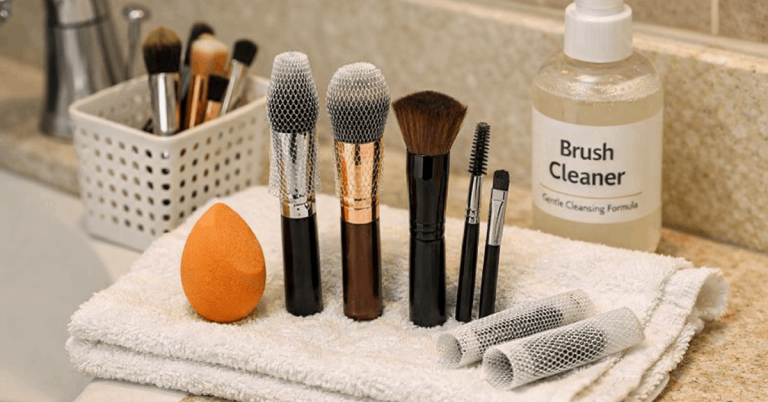
Sponges, cleansing cloths, brush heads, and washable tools need air after use or cleaning. Press out extra moisture, place them on a clean rack or towel, and keep them out of sealed bags until dry.
Avoid closing damp tools in drawers where odor and residue can linger. This protects tool texture, clean storage, and the effort you spent washing.

Put Reminders Where You Already Plan
Todoist can help when tool care disappears behind work, travel, or family routines. Create a short weekly task for washing brushes and a monthly task for checking cords, bristles, or worn sponge material.
Tie each reminder to laundry day or clearing the bathroom counter. This turns good intentions, small tasks, and maintenance into a schedule you can follow.
Store Tools So They Stay Useful
A clean tool becomes dirty again when it shares space with spills, humidity, or hair products. Use separation and simple storage to protect your routine between uses.
Separate Hair, Skin, and Makeup Categories
Keep hairbrushes away from makeup brushes, especially around dry shampoo, styling wax, and hairspray. Store skin-contact tools on a wipeable tray and keep cloths in a dry, breathable place.
Make sure brush heads do not rest against counters or spill-prone bottles. This prevents cross-contact residue, bathroom clutter, and unnecessary re-cleaning.
Use a Daily, Weekly, and Monthly Rhythm
Remove loose hair and visible residue after use, then wash product-contact tools on a weekly schedule. Once a month, inspect bristles, comb teeth, cords, handles, and storage containers for damage or buildup.
Replace tools that snag, tear, crack, smell persistently musty, or no longer work safely. A simple rhythm creates less panic, more reliable results, and a kit that stays ready.
Conclusion: Let the Kit Support, Not Complicate, Your Day
Daily care gets easier when each tool has a clear role and a realistic place in your routine. Choose gentle brushes, soft cleansing support, and storage that allows every item to dry properly.
Keep the kit small, clean it before residue hardens, and replace pieces that no longer feel safe or comfortable. With steady maintenance, lighter technique, and tools you enjoy using, personal care can feel calmer, faster, and dependable each day.