Knowing when to replace your personal care items is essential. The need to replace beauty tools regularly is often overlooked, but it directly impacts your hygiene and skin health.
Using worn-out items can cause breakouts, irritation, and poor results. This article explains the exact replacement timelines and warning signs for everyday tools.
Why Replacement Is Important?
Old tools harbor bacteria and lose effectiveness over time. You need to understand how their condition affects your personal care routine.
Poorly maintained tools cause skin problems and hair damage. Regular replacement and cleaning prevent most of these issues.
Hair Brushes and Combs
Hair brushes and combs are everyday essentials in personal care. Regular maintenance and replacement are necessary for hygiene and performance.
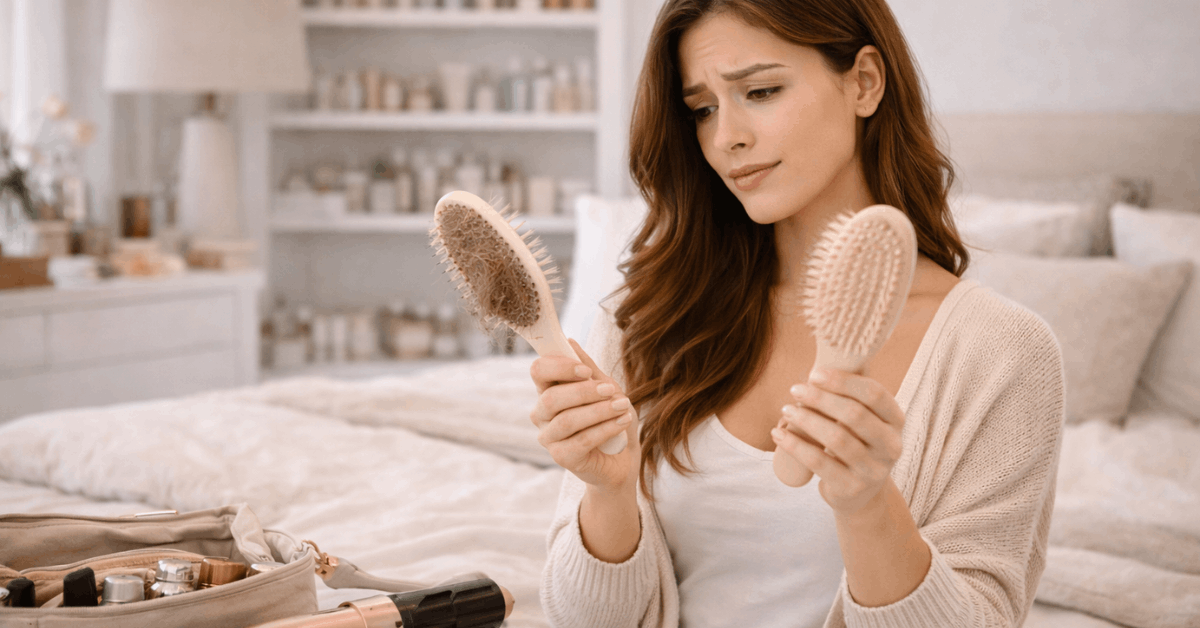
Plastic or Rubber Brushes
Replace plastic or rubber brushes every 6 to 12 months. These brushes wear down faster and collect product residue easily.
If bristles bend or snap, it’s time to replace. Clean weekly with shampoo and dry fully.
Wooden or Boar Bristle Brushes
These brushes are more durable and can last up to 2 years. Proper cleaning helps them stay effective longer.
Watch for bristle wear or wooden cracks. Store in a dry area to avoid mold.
Combs
Combs last longer but still need regular inspection. Replace if teeth break or residue builds up.
Use a toothbrush and mild soap for cleaning, or follow the cleaning advice from the American Academy of Dermatology. Avoid sharing to prevent contamination.
Maintenance and Cleaning
Remove hair from tools after each use to avoid buildup. Wash brushes weekly using warm water and a gentle cleanser.
Disinfect monthly using alcohol or vinegar. Let tools dry completely before storing.
Makeup Sponges and Brushes
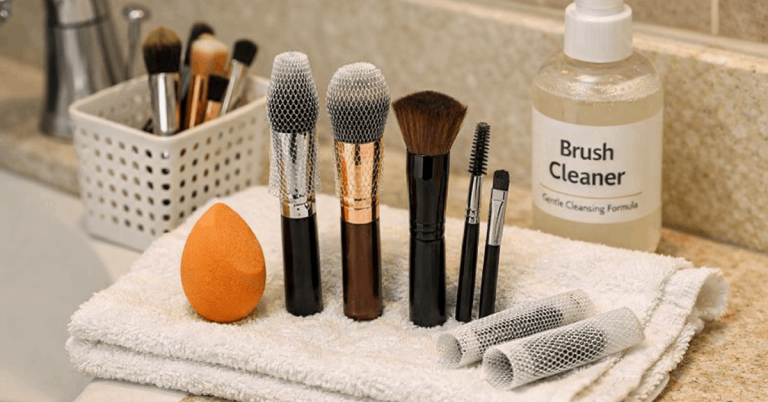
Sponges and brushes are used daily for applying cosmetics, making them prone to buildup. Knowing when to refresh them helps maintain healthy skin.
- Sponges should be replaced every 1 to 3 months.
- Brushes last 1 to 2 years with consistent washing.
- Replace sooner if bristles shed or if odor develops.
- Wash with a mild cleanser weekly and let them dry fully.
- Store in a dry, open space to avoid mold.
Hair Styling Tools
Styling devices that use heat can wear out quickly with regular use. Replacing them on time prevents unnecessary hair damage.
- Flat irons and curling wands last 2 to 4 years.
- Blow dryers can last up to 5 years.
- Replace if the heat becomes inconsistent or the cord is frayed.
- Avoid using tools with cracks or a burning smell.
- Clean filters and plates regularly to prolong use.
Tools That Touch Skin Need Frequent Checks
Items that contact your face or body need extra attention. The risk of bacteria buildup is higher due to moisture and skin cells. Watch for visible changes and hygiene concerns.
Facial Rollers and Massagers
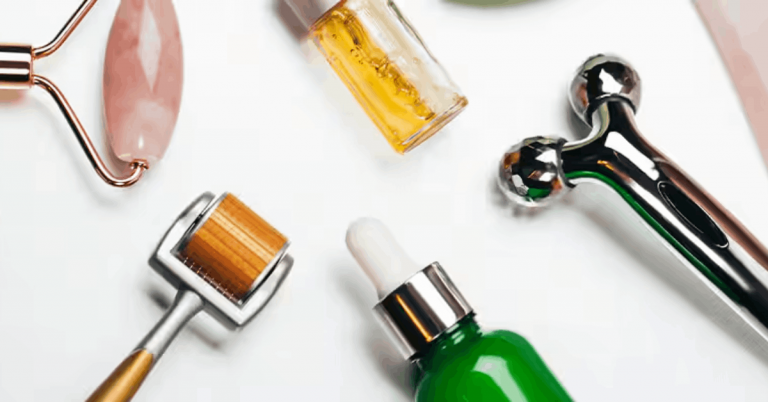
Facial rollers and massagers are often used to boost circulation and reduce puffiness. These tools require careful upkeep due to frequent skin contact.
- Replace facial rollers every 12 to 18 months.
- Check for loose parts, cracks, or discoloration.
- Disinfect with alcohol after each use.
Facial Brushes – Manual or Powered
Facial brushes are commonly used for exfoliation and deep cleansing. Consistent replacement helps reduce the risk of buildup and skin irritation.
- Replace brush heads every 3 months.
- Replace the entire device every 1 to 2 years if used often.
- Clean thoroughly with soap and let it dry fully.
Extractor Tools
Extractors are metal tools used for removing blackheads and blemishes. They require strict hygiene and should be monitored for signs of wear.
- Replace when the metal wears down or loses shape.
- Clean before and after use with alcohol wipes.
- Store in a dry, closed container.
Razors and Shaving Tools
Shaving tools need to be sharp and clean to avoid skin irritation. Monitor their performance to know when it’s time to change them.
- Disposable razors should be replaced every 5 to 10 uses.
- Cartridges need changing weekly or when tugging starts.
- Electric shaver blades should be replaced every 12 to 18 months.
Clean blades after every use and dry completely, as recommended by the Cleveland Clinic.
Tools for Nail and Foot Care
Grooming tools for nails and feet wear down due to repeated use and moisture. Replacing them keeps your routine both clean and safe.
- Nail files and buffers should be replaced every 3 to 6 months.
- Clippers and cuticle trimmers can last up to 1 year.
- Replace tools that rust, dull, or develop cracks.
- Sanitize with alcohol after every use.
Storage Affects Longevity
How you store your tools directly affects how long they last. Keeping them clean and dry helps avoid early replacement.
- Keep tools in dry, cool places.
- Avoid tightly closed containers for wet tools.
- Use protective cases or sleeves when available.
- Don’t store items near humidity (e.g., bathrooms).
When to Use a Combined Format?
Sometimes, tools overlap in use or storage. In those cases, follow both sets of rules. Here are a few examples to guide you.
Double-Use Tools (Skin and Hair)
Some tools serve more than one purpose across body and facial care. Always follow the safest cleaning and replacement rule for the most delicate area.
- Use tool-specific cleaning for each purpose.
- Replace according to the most sensitive usage.
- Example: Use facial brushes only on the face, not for body products.
Sets or Kits
Tool kits often contain a mix of items with varying lifespans. Each item needs to be checked on its own.
- Replace single items from
- a kit when needed.
- Keep the rest only if still functional and clean.
- Discard entire kits if multiple items degrade.
Travel Tools
Travel-sized tools go through more wear due to frequent packing and handling. Keeping them protected reduces the need for early replacement.
- Replace more frequently due to rough handling.
- Store in protective pouches.
- Sanitize before and after trips.
How to Track Your Replacements?
It’s easy to forget when each beauty tool was purchased. Creating a simple reminder system helps you stay consistent.
- Write the purchase date on a sticker or tape.
- Use a digital calendar to set reminders.
- Evaluate tools during monthly bathroom cleaning.
Final Advice from Experts
Professionals stress the importance of keeping your tools in good condition. Their advice can help you avoid common hygiene mistakes.
- Use clean tools to prevent breakouts and skin irritation.
- Don’t share personal beauty tools.
- Invest in quality tools and maintain them well.
Follow manufacturer guidelines if available, or consult brands like Philips or Panasonic.
Smart Replacements Keep Your Routine Safe
It’s easy to forget when to replace beauty tools, but doing so protects your skin and boosts performance. Don’t rely on looks alone—check for hygiene and wear.
Routine replacement is a smart habit that improves personal care results. Stick to the timelines, clean regularly, and update tools when needed.