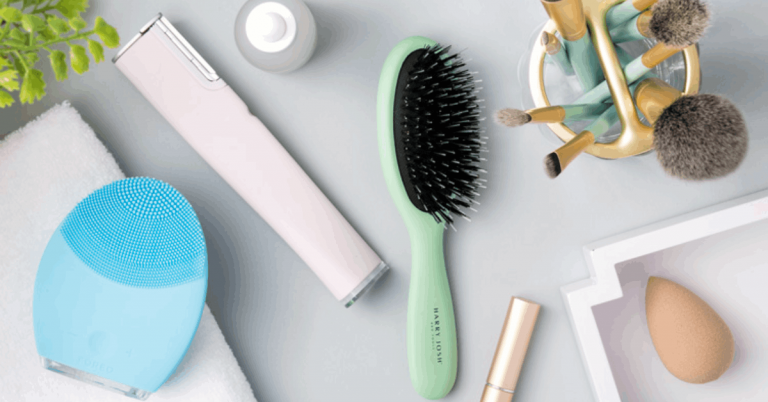
A beauty tool can seem harmless until it pulls your scalp, nicks a cuticle, or overheats. How to choose safe beauty tools starts with the jobs you repeat: brushing, shaving, grooming brows, drying hair, or cleansing skin. A tool should make one task easier.
Ask not what is popular, but what will touch your skin or hair each week. Consider purpose, finish, cleaning, and storage before it enters your drawer. Those are useful checks that prevent a purchase from becoming clutter.
The Small Details Your Skin Notices First
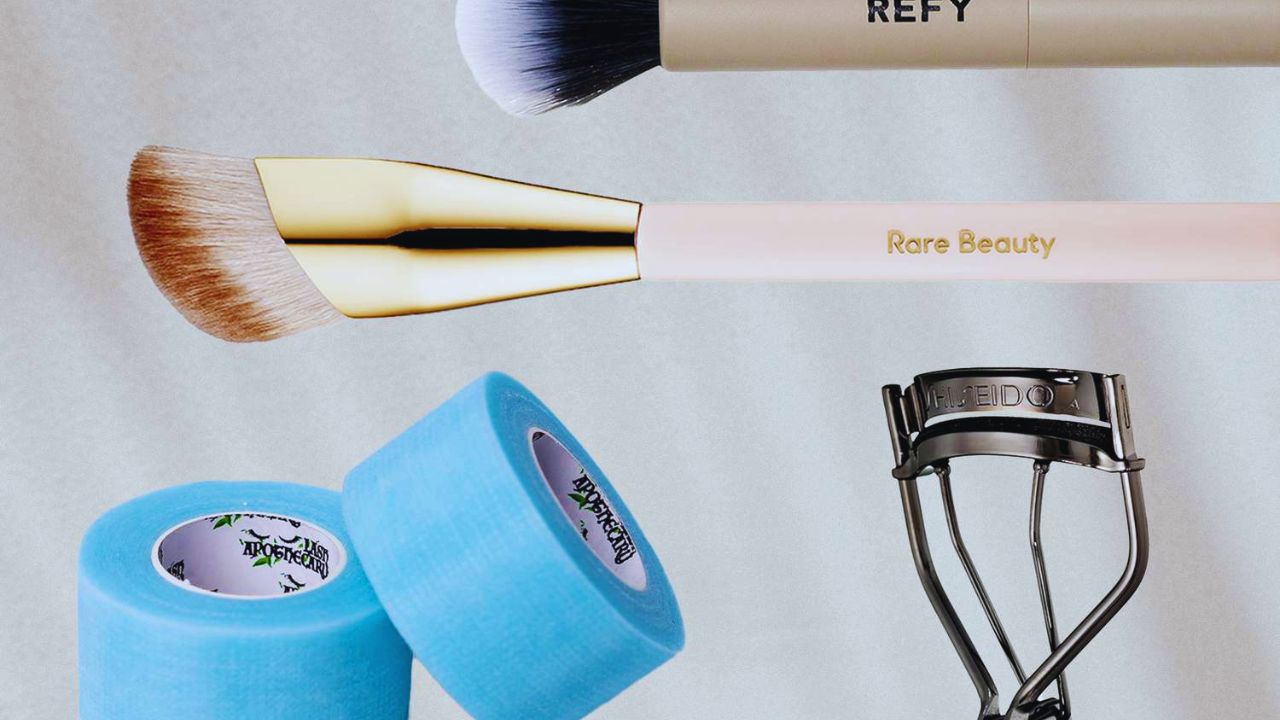
A product photo rarely shows rough seams, loose pins, cracked coatings, or an awkward handle. Inspect the parts that make daily contact with your face, scalp, nails, or brows. If a surface feels sharp, uneven, sticky, or poorly assembled, pass on it.
Material affects cleaning and wear. Smooth stainless steel can be practical for grooming tools, while silicone pads and rounded plastic combs are easy to rinse. Do not chase a single “best” material; choose a tool’s surface that stays intact and comfortable.
When a Tool Feels Rough, Believe It
Brushes and combs should glide through hair, not scrape the scalp or snag the ends. Look for rounded pins or teeth with enough flex for your texture. Test a small section first, especially when hair is fine, bleached, curly, or prone to tangles.
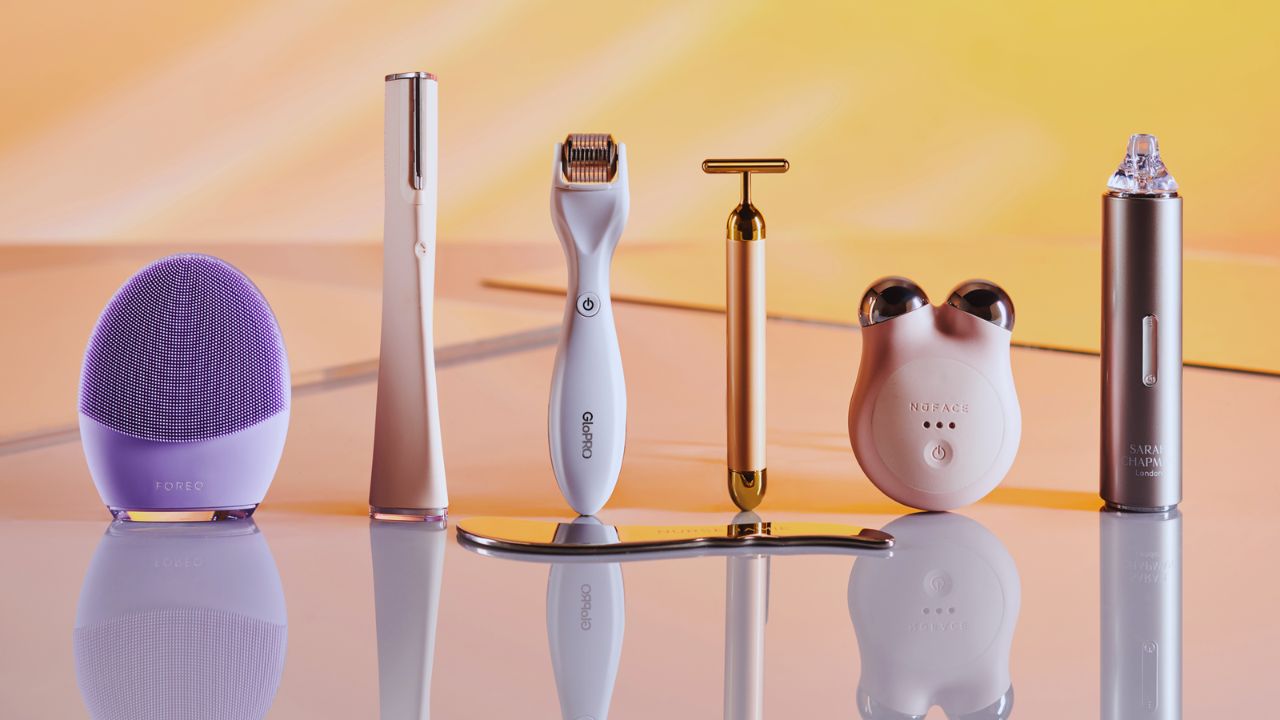
Use that same standard for face and nail tools. A cleansing pad should not leave your face hot, and a cuticle pusher should not need pressure. Choose a handle with a steady grip, then stop if you feel pinching, lasting redness, or repeated discomfort.
Heat Should Never Be a Guessing Game
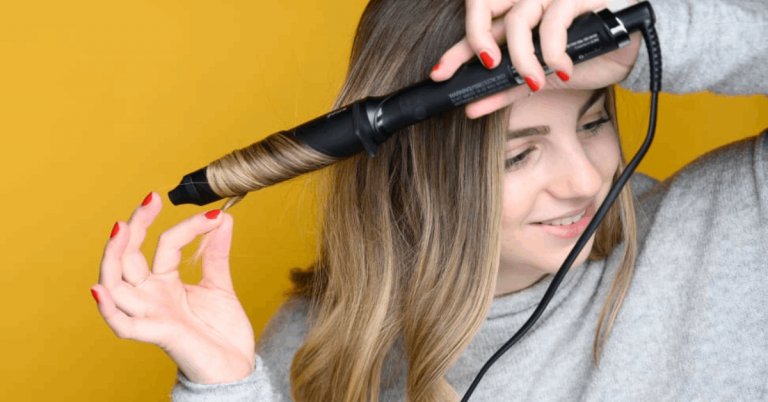
A dryer, hot brush, curling wand, or straightener needs settings you can understand and lower. Check the cord, plug, vents, switch, and casing. Begin with the lowest effective heat, especially on fine, dry, or colour-treated hair, and keep the device moving.
Do not keep testing an electrical tool that smells burnt, sparks, makes an unusual noise, or has a damaged cable. Those are clear stop signs, not annoyances to work around. Keep heat tools away from water and let them cool before storing.
What the Fine Print Can Tell You
A useful product page tells you more than whether a tool looks polished. Look for the maker’s name, model number, intended use, materials, care directions, warranty, electrical specifications, and return terms. These details create a traceable purchase if the tool arrives damaged or stops working early.
Pause at vague listings, especially for electrical items or tools used near the eyes. Be careful when photos do not match the description, instructions are missing, or the seller cannot name the source. A logo is not enough; readable directions and real support matter when something goes wrong.
Two Examples That Show What to Look For
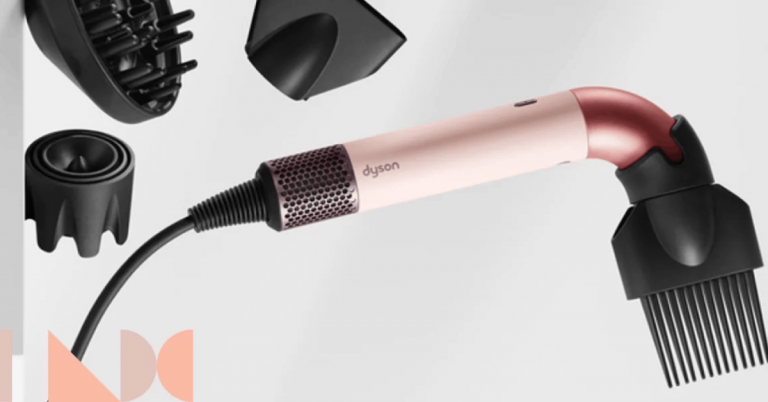
The Conair 3-in-1 Styling Ionic Hair Dryer is an official example that lists attachments, two heat/speed settings, and a cool-shot button. It may suit someone wanting one dryer for several tasks, but check plug compatibility and storage space.
For brow grooming, the Tweezerman Wide Grip Slant Tweezer has a wider body and textured no-slip grip on its official page. That may help people who find narrow tweezers awkward. Still, test for comfortable control instead of assuming a familiar name will fit your hand.
A Clean Tool Works Differently
Hair, makeup, skin oil, conditioner, and damp lint build up. Remove loose hair from brushes, wipe metal tools dry, and wash reusable pads or sponges regularly. These habits limit old product buildup and make cracks, rust, or loose parts easier to spot.
Storage matters too. Let brushes, sponges, and pads dry fully before putting them in a closed pouch or drawer. Keep razors and tweezers away from standing water, and avoid sharing personal items. A dry, separate place supports better hygiene without a complicated routine.
The Five-Minute Reset That Prevents Problems
Pick one regular moment each week to check the tools you use most. Five minutes while changing towels or preparing for wash day keeps routine maintenance manageable and catches small issues before they become rushed-morning problems.
- Remove hair from brushes and combs.
- Wipe tweezers, clippers, and handles dry.
- Check cords, blades, and bristles.
- Wash reusable pads and air-dry them.
Look for bent pins, nicked blades, loose hinges, mildew smells, sticky residue, or split cables. Throw away items that cannot be cleaned or repaired safely. A smaller kit makes replacement decisions clearer because every item has a known job.
Also Read: How Often Should You Replace Beauty Tools?
A Label Cannot Do the Thinking for You
Certification marks and reassuring labels can be useful clues, but they do not replace inspecting the product. A tool can carry a mark and still arrive damaged, feel unstable, or be wrong for your routine. Pay attention to physical condition and directions that suit your home and habits.
Where you buy affects what happens after checkout. Official brand sites and established sellers are more likely to provide a model number, care instructions, customer support, and returns. Save the confirmation email and receipt until the tool works. That creates a paper trail if you need help later.
When It Is Time to Let a Tool Go
Retire a razor that drags, a brush with broken pins, a chipped roller, or tweezers that no longer close evenly. Keeping a tool because it was expensive can turn routine grooming into avoidable irritation. Replacement is sensible when its condition affects your skin or hair.
Electrical tools deserve a firmer line. Stop using anything with exposed wiring, a cracked case, an unusually hot plug, repeated overheating, or a burning smell. Do not tape a damaged cord or store it by water. Electrical damage needs replacement or professional service, not a temporary fix.
Keep the Tools That Make Daily Care Easier
A safer beauty kit is usually smaller than people expect: a brush that does not tug, a dependable grooming tool, a clean razor or trimmer, and a heat device you understand. Begin with weekly tasks. That keeps duplicate purchases from taking over your counter.
Before buying another gadget, check its surface, instructions, seller, and care needs. Test it during an unhurried moment, then decide whether it earns a place. Comfort and control are better reasons to keep a tool than price, packaging, or pressure to own everything.