Using the right tools is essential for effective skincare and hair care routines. The common beauty tool mistakes to avoid are often simple habits that people ignore, yet they cause long-term issues.
Many of these mistakes involve hygiene, misuse, or poor tool choices. This guide breaks down each error so you can take better care of your skin and tools.
Poor Cleaning Habits Can Cause Skin Problems
Many people skip or rush the cleaning process of their beauty tools. This mistake leads to product buildup, bacterial growth, and skin irritation.

Not Cleaning Tools Frequently Enough
Failing to clean your tools weekly can lead to breakouts and clogged pores. Brushes, sponges, and rollers collect dead skin cells and oil.
Over time, this buildup creates a breeding ground for bacteria. According to the CDC, regular disinfection is key to preventing microbial growth.
Using Harsh Products to Clean Tools
Some users use strong alcohol or disinfectants that damage tool surfaces. This not only breaks down materials faster but can also cause skin sensitivity.
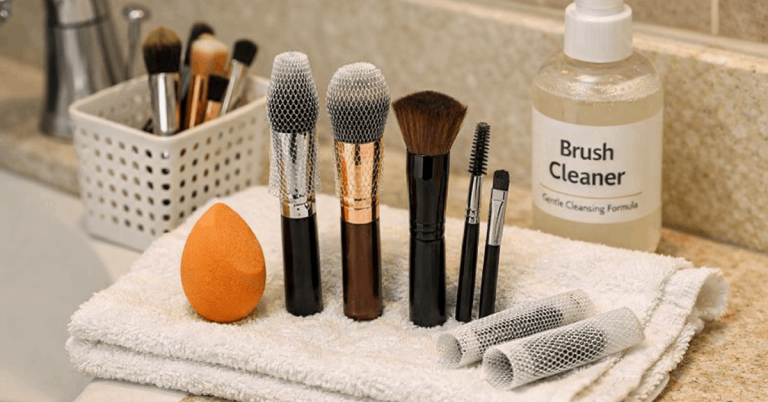
Instead, use mild cleansers or dedicated brush soaps. Rinse thoroughly and air dry on a clean towel.
Improper Tool Storage After Use
Storing tools in humid or unclean areas traps moisture and encourages mold. Tools should dry completely before being placed in a drawer or bag.
Use breathable pouches or tool organizers. Keeping items away from the bathroom sink is best.
Tool Mismatch and Misuse Harms Skin and Hair
Using tools that don’t match your skin or hair type reduces results and may cause damage. Know your personal care needs to select the right tools.
Choosing the Wrong Hair Brush
Brushes are not one-size-fits-all. Round brushes are best for styling, paddle brushes are good for straightening, and wide-tooth combs are ideal for curly hair.
Fine hair needs soft bristles, while thicker hair can handle firmer ones. The American Academy of Dermatology recommends selecting brush types based on hair texture and length.
Over-Exfoliating With Facial Tools
Excessive use of exfoliating brushes or pads can harm your skin barrier. Sensitive skin needs minimal exfoliation, ideally once a week.
Using these tools too often causes redness, flaking, or even microtears. Always follow product instructions.
Applying Too Much Pressure During Use
Scrubbing hard with rollers or cleansing brushes does not make them work better. It increases irritation and pushes bacteria into pores.
Let the tool glide gently over your face. Light pressure is more effective and safer.
Misuse of Heated Beauty Tools
Heat-based tools can improve results when used properly. However, careless use often leads to unnecessary damage.
No Heat Protection for Hair Styling Tools
Using curling irons or flat irons without a protective spray causes dryness and split ends. Apply a heat-protectant before every use.
This adds a layer of defense and preserves hair health. It also helps maintain hair color longer.
Setting Tools Too Hot for Your Hair Type
Many people use the highest heat setting, thinking it works faster. Fine or chemically-treated hair should not exceed 300°F.
Thick or coarse hair can tolerate slightly higher temperatures. The Cleveland Clinic advises adjusting heat settings based on hair type.
Improper Blow Dryer Use
Holding dryers too close to your scalp risks burns or frizz. Move the dryer constantly and maintain a distance of 6 inches.
Use a nozzle attachment for better airflow direction. Finish with a cool shot to seal the cuticle.
Tool Hygiene and Sharing Risks
Clean tools and personal use go hand in hand with skin safety. Sharing or reusing dirty tools can cause infection or irritation.
Sharing Tools With Others
Tools like tweezers, razors, or facial brushes should never be shared. Bacteria, viruses, and fungi can transfer this way easily.
Always keep personal tools separate. Use labels or cases to avoid mix-ups.
Using Dirty Tools on Clean Skin
Many people clean their face but use old sponges or brushes. This reintroduces bacteria to your pores.
Always clean tools before use or store them properly. Don’t let used tools touch freshly washed skin.
Keeping Tools Too Long
Old tools lose shape and harbor germs, even if they look clean. Makeup sponges should be replaced every month.
Brushes should be replaced every 3 to 6 months, depending on usage. Dull tweezers and clippers need sharpening or replacement.
Misuse Caused by Skipping Tool Instructions and Best Practices
Even good tools can fail if you don’t follow their instructions or use them too often. Here’s how misuse and neglect can reduce tool performance and affect your skin.
Misreading or Ignoring Manufacturer Guidelines
Most tools come with usage instructions. Not following them can reduce effectiveness or void warranties.
Check the packaging or the brand’s website for proper usage and care tips. Save instructions or search for digital copies if lost.
Using Tools Too Frequently
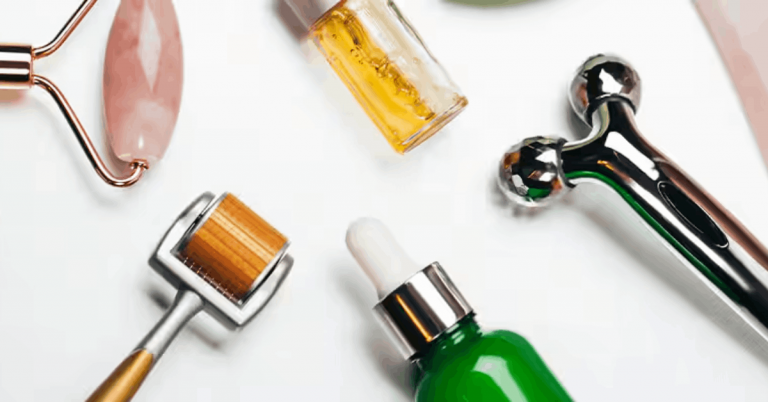
Overuse is common with exfoliators and derma rollers. Using them daily can strip your skin barrier.
Stick to 1–2 times per week, depending on your skin type. If irritation appears, reduce usage immediately.
Incompatible Tool and Product Combinations
Mixing electric brushes with scrubs, or derma rollers with harsh acids, can backfire. Know which tools go with which products. When in doubt, ask a dermatologist.
The Mayo Clinic provides reliable guidance on safe skincare routines. Using derma rollers with harsh acids can backfire. Know which tools go with which products.
When in doubt, ask a dermatologist. The Mayo Clinic provides reliable guidance on safe skincare routines.

Fixing Beauty Tool Mistakes Effectively
Learning how to correct mistakes helps your routine become safer and more effective. Here are four key fixes.
Clean and Sanitize Regularly
Weekly tool maintenance is non-negotiable. Wash makeup sponges, clean bristles, and sanitize metal tools.
Let everything dry thoroughly. This prevents breakouts and tool decay.
Choose the Right Tool for Your Needs
Know your skin and hair type before buying tools. Read reviews and look at labels that mention use cases.
Soft bristles are better for sensitive skin. Use wide-tooth combs if you have thick or curly hair.
Store Tools the Right Way
Never toss tools into a drawer while damp. Use storage organizers, breathable cases, or pouches.
Keep away from bathroom humidity. Let brushes and sponges dry flat.
Read and Follow Instructions
Avoid guessing how a tool should be used. Instruction manuals matter, especially for powered tools.
Look up video tutorials from trusted sources if needed. The FDA emphasizes the importance of safe cosmetic practices.
Understanding the Core Problems
Every mistake comes from either a lack of awareness or rushing through routines. The impact ranges from acne, skin irritation, and tool damage to wasted money.
Recognizing how each error happens helps you avoid it. Creating a checklist of tool care steps can simplify your routine.
The Smart Way to Avoid Long-Term Damage
You don’t need expensive tools to maintain great skin and hair. You just need to avoid the most common beauty tool mistakes.
Consistency in cleaning, correct usage, and good storage makes a big difference. Small changes today prevent bigger issues tomorrow.
Let Your Tools Work for You
Recognizing the common beauty tool mistakes to avoid gives you control over your skincare habits. Cleaning tools weekly, avoiding harsh products, and using the right method extend both skin health and tool lifespan.
Follow instructions, protect your skin, and never share your tools. When used properly, your beauty tools become your best allies in everyday care.