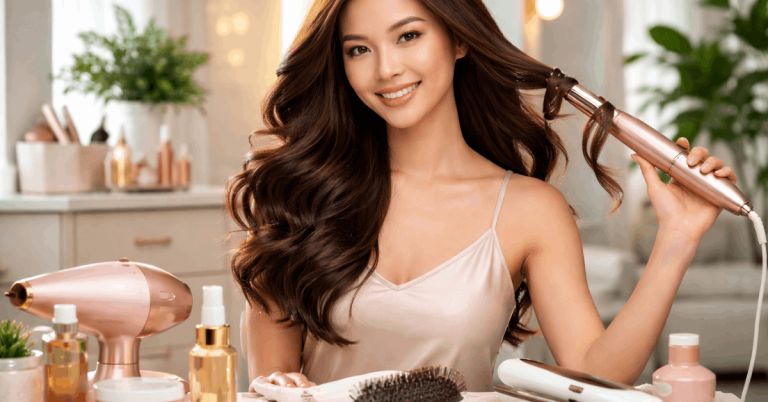
A dryer, flat iron, or hot brush can rescue a rushed morning, but trouble begins when every wash day ends with the same high-heat fix. How to avoid overusing heat styling tools starts when heat becomes your usual answer, not an occasional finishing step.
This guide is for anyone who reaches for a dryer, straightener, wand, or hot brush more often than planned. It shows how to prepare hair differently, keep a style going longer, and use heat more deliberately. The aim is less repeat styling and more workable hair on ordinary days.
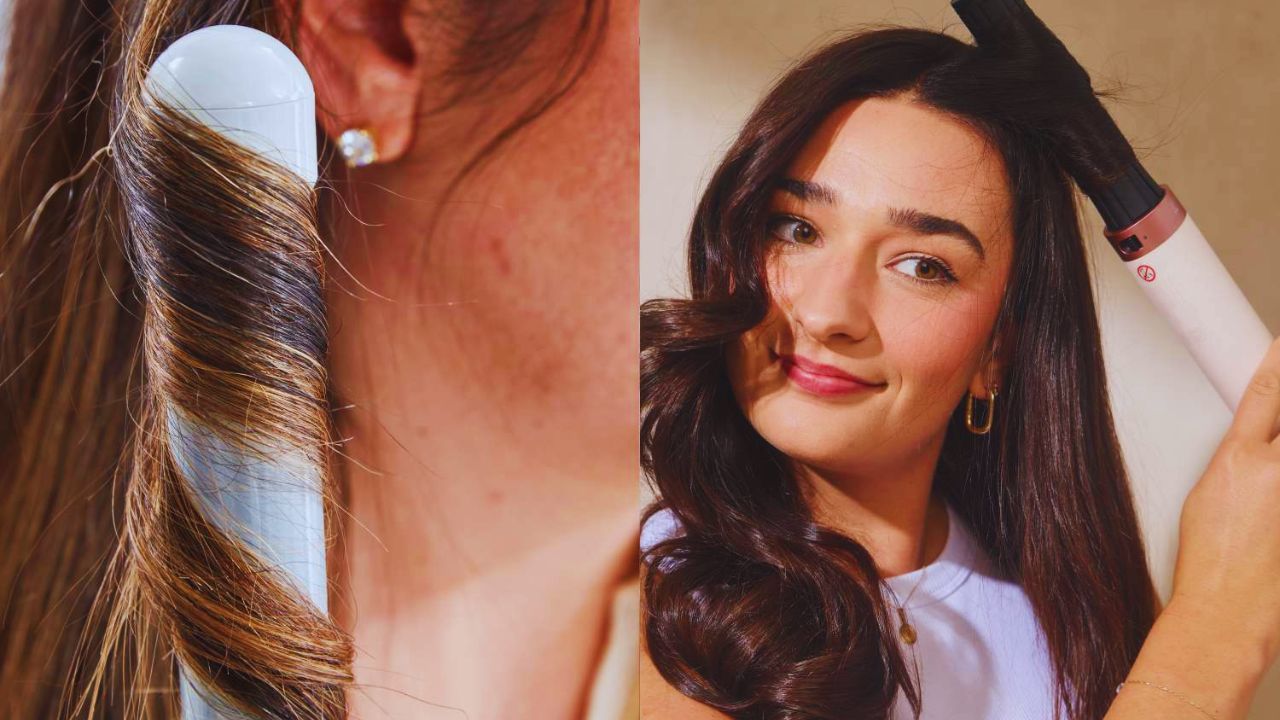
Heat Stress Usually Builds Up Quietly
Hair does not need one dramatic accident to feel overworked. High settings, rushed drying, and several passes over the same section can slowly leave ends rough, dull, and harder to detangle. You may notice lost softness or more snapping after washing, brushing, or sleeping with hair down.
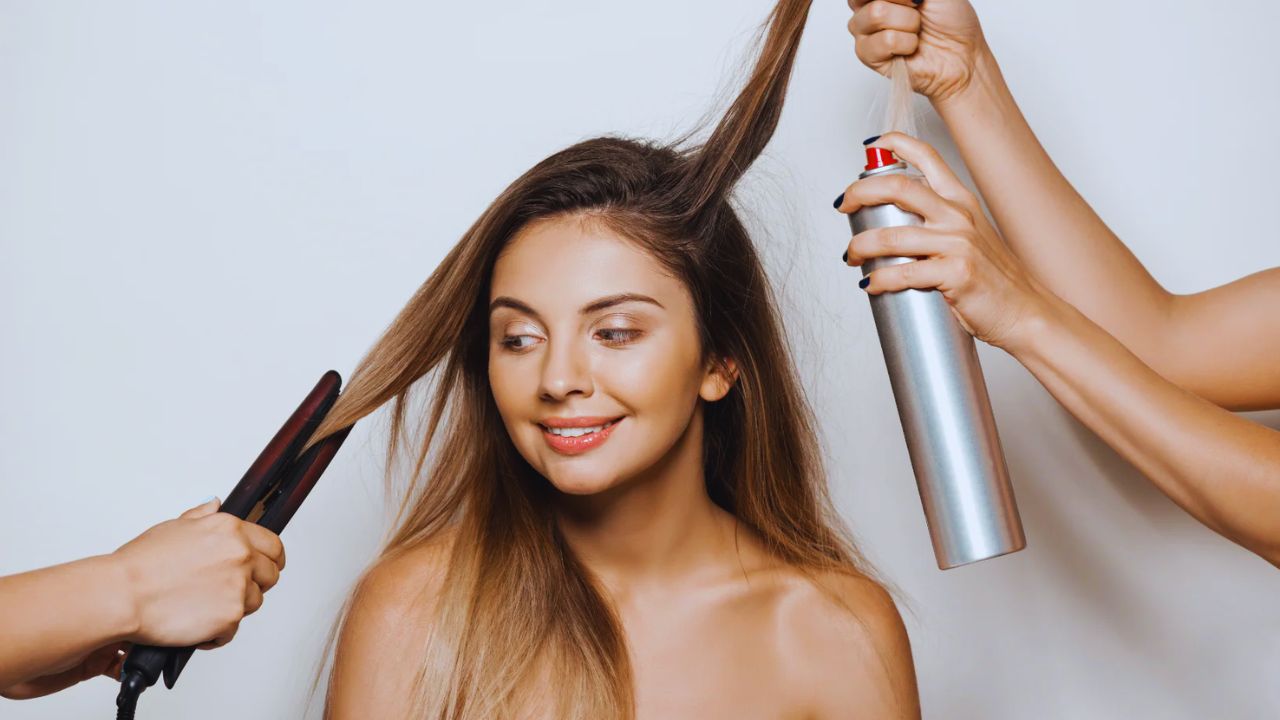
The scalp and hairline deserve attention too. Very hot air aimed closely at the roots can feel uncomfortable, especially when skin is dry, flaky, or already irritated. Treat soreness, burning, or lasting redness as a reason to pause and rethink the routine, not something to hide with another product.
Notice the Clues Your Hair Is Giving You
Look beyond a single difficult hair day. Ends that catch, colour that seems dull, a style that collapses quickly, or hair that needs more product to feel smooth can point to repeated stress. These are useful patterns rather than reasons to panic.
Texture changes the picture. Fine, bleached, relaxed, curly, or frequently coloured hair may need lower settings and fewer passes than sturdy, untreated strands. Instead of copying someone else’s temperature, watch how your hair reacts. Personal limits matter more than a universal rule.
Make Wash Day Do More of the Work
Heat takes longer when hair starts tangled, overly wet, or coated with product. Press out water, detangle gently, and apply a suitable leave-in or heat protectant before drying. Those steps create better starting conditions and fewer reasons to overwork the same pieces.
Avoid jumping from a towel straight to a hot tool. Let hair air-dry partway when time allows, or use airflow on a lower setting before you style. The less moisture you force out with heat, the easier it is to keep the finish controlled and the process calmer. Drying the roots first can be useful when you need to leave quickly, while the middle lengths can finish with less heat. That simple split keeps morning timing realistic without treating every strand exactly the same. It also reduces rushed finishing.
Let a Heatless Style Carry Part of the Week
Heatless styling works best when it is a normal option, not a backup for a failed blowout. A loose braid, twist, bun, roller set, or pin curl can shape hair while you sleep or work at home. It may create softer texture and less daily handling.
The Kitsch Satin Heatless Curling Set is one official product example to review if overnight waves appeal to you. Check the rod size, fastening method, and whether you can sleep comfortably in it. A heatless tool should fit your sleep routine and your hair length, not become another annoyance.
Build a Low-Heat Week Around Your Real Schedule
You do not need to ban heat forever. Decide when you want a polished finish and when a braid, clip, or natural texture can do the work. Begin with one planned styling day and several lighter days around it.
A simple week can follow this low-heat rhythm:
- Wash, detangle, and style with minimal heat.
- Refresh with a braid, bun, or leave-in.
- Save heat for one planned occasion.
Leave room for weather, workouts, and unexpected plans. When your hair looks acceptable after a simple refresh, resist fixing details nobody else will notice. That protects your time and your ends without turning your routine into a rulebook.
Use Heat as a Finish, Not a Repair Tool
Some days you will want a smoother blowout, defined curls, or a quick root refresh. Heat can still have a place. The difference is using it on clean, prepared, fully dry hair instead of trying to correct tangles, buildup, or a rushed wash. That reduces avoidable strain and repeat passes.
Keep the tool moving, work in manageable sections, and pause before raising the temperature. If hair does not respond at a moderate setting, check moisture, product, and technique first. More heat is not always the answer. Controlled use protects the shape you created.
Also Read: Common Beauty Tool Mistakes to Avoid
Compare Controls Before You Replace a Dryer
When replacing a dryer or hot tool, look for settings you will actually use. A practical model should let you lower heat, adjust airflow, and cool hair before you leave. Prioritize clear controls and safe storage, not claims of instant transformation.
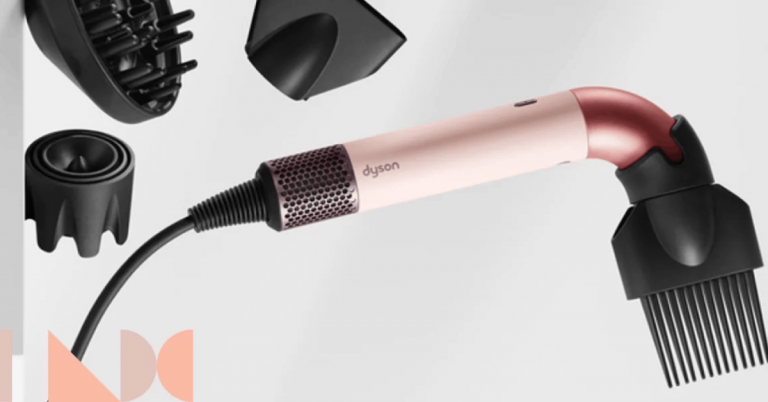
The Dyson Supersonic Nural is an official dryer page worth comparing if adjustable heat and airflow appeal to you. Review voltage, attachments, warranty, price, and local availability. Decide whether the features fit and the cost makes sense for your routine.
Give Your Hairline and Scalp a Break
It is easy to focus on shine and overlook the skin underneath. Avoid aiming hot air at one spot near the temples, forehead, or part line. Keep the dryer moving and maintain some distance. That supports scalp comfort and a calmer hairline.
Be careful with tight styles after heating. Hair that has just been dried or straightened can still feel vulnerable at the roots, especially when pulled into a firm ponytail. Choose a looser tie or clip when possible. Combining high heat with high tension can make a routine harsher than it needs to be.
Make the Next Styling Choice on Purpose
Start with one change this week: lower the setting, skip a restyle, prep hair earlier, or try a heatless option overnight. Do not change everything at once. One small shift lets you see whether it genuinely makes mornings easier. One repeatable habit beats a strict routine you abandon.
Over time, how to avoid overusing heat styling tools becomes less about giving things up and more about using them selectively. Keep heat for styles you enjoy, then let gentler methods carry the rest. Your hair does not need perfection each day; it needs more breathing room and less unnecessary stress.