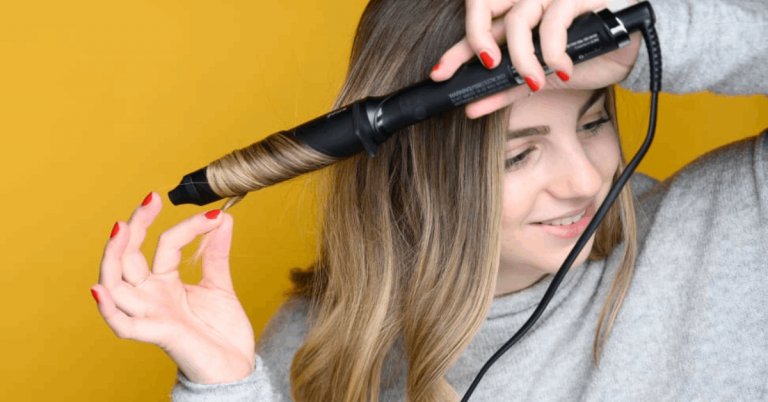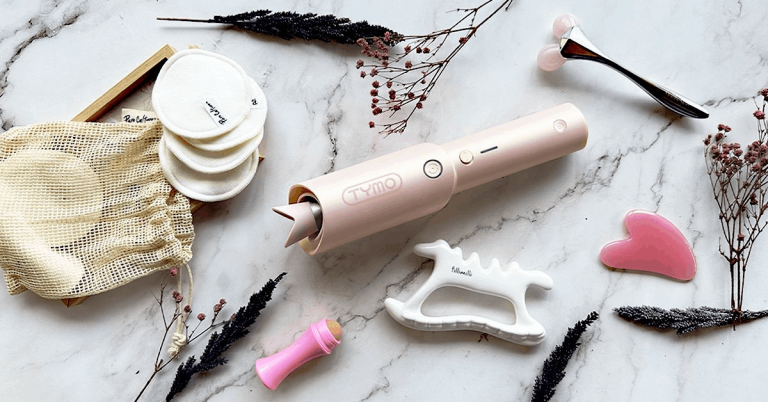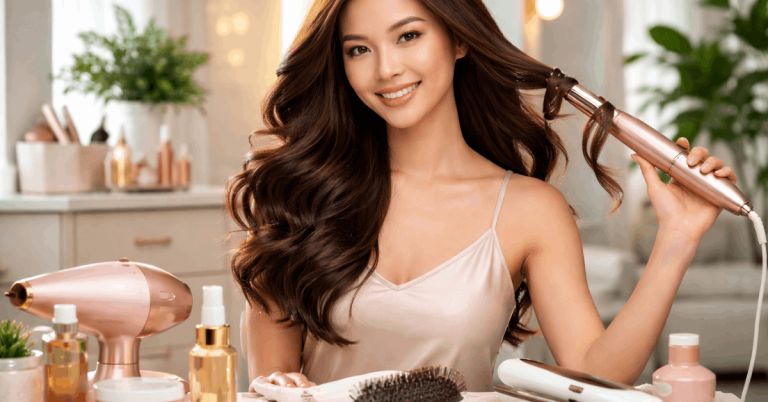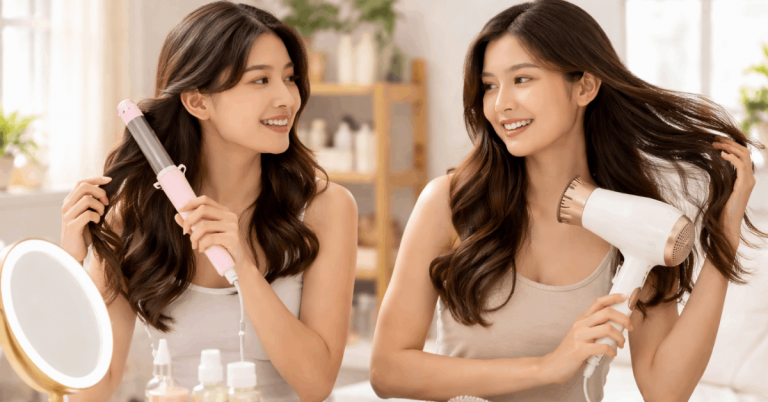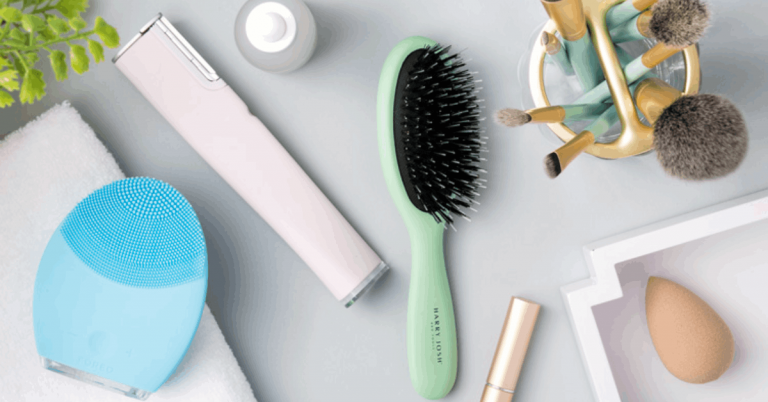
A dryer, flat iron, curling wand, or hot brush helps when time is short. Trouble begins when a device must rescue tangles, damp hair, or yesterday’s style. How to avoid hair damage from tools starts with the moments you rush.
This guide suits anyone seeing rough ends, broken pieces, or hair needing several passes to look smooth. Keep the styles you enjoy while using less force, preparing better, and leaving room between high-heat days.
Protect Hair Before Heat
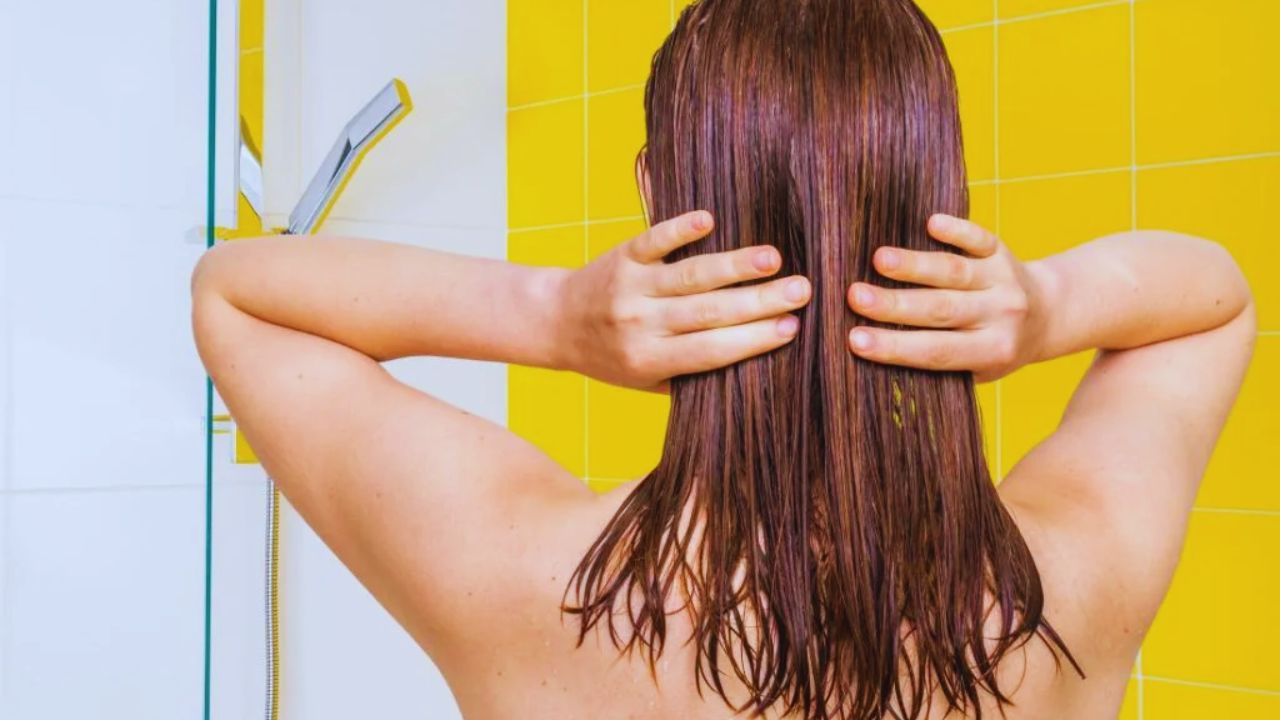
Heat gets blamed for damage that starts earlier. Rough towel drying, tight elastics, buildup, and a brush pulled through knots can make styling harder. Notice repeated friction around the nape, ends, fringe, and hairline first, after showering, swimming, or workouts.
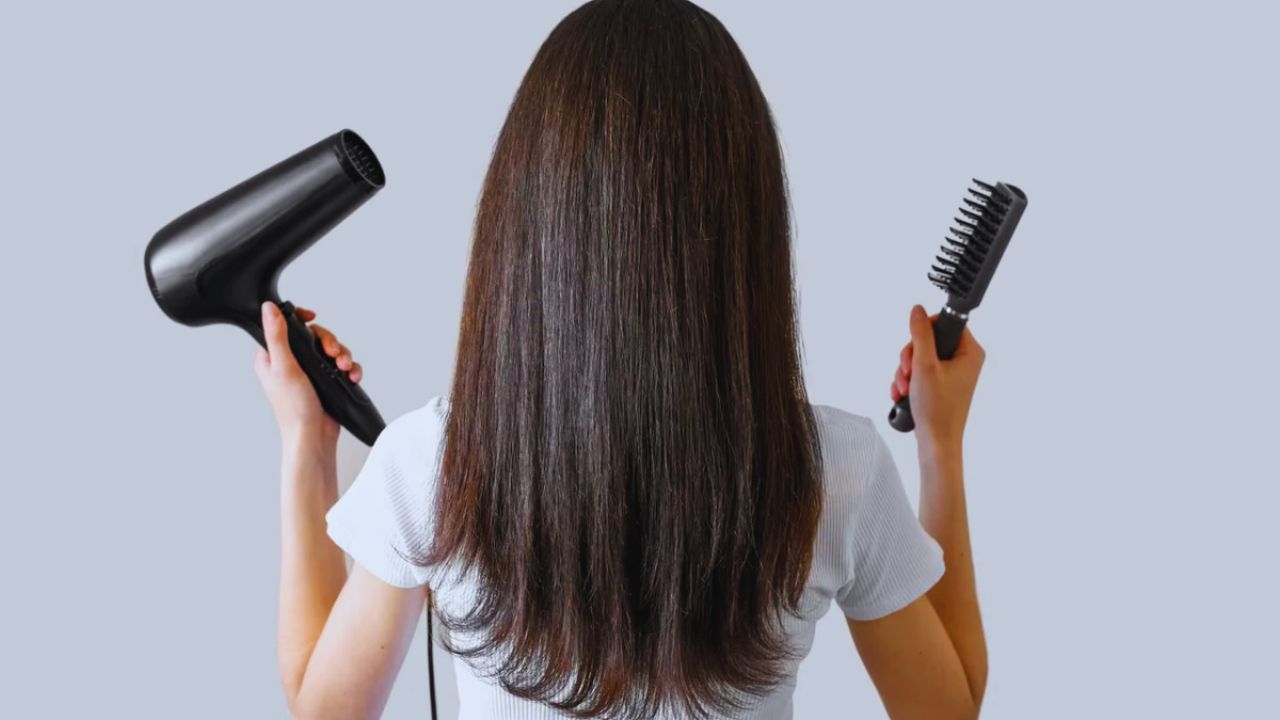
Press out water with a soft towel or T-shirt instead of rubbing. Separate dense hair with fingers, then use conditioner or leave-in where it catches. That start creates less resistance when you dry, brush, or shape hair without making the roots heavy.
Untangle Before Styling
Start at the ends, hold above a knot, and move upward in short strokes. Root-to-end pulling can push small knots together. Curls, coils, bleached lengths, and fine hair may need more slip. This keeps detangling pressure from becoming pain.
The Tangle Teezer Ultimate Detangler is an official example for wet hair or shower detangling. Check its handle, teeth, and care directions against your routine. The useful brush offers a softer glide, not another unused item. Then store it dry.
Give Heat a Smaller Job
Heat works best as a finish. A straightener cannot fix hair that is damp, sticky, or tangled at the back. Decide whether you need dry roots, shaped fringe, smooth ends, or front pieces. Targeted styling means fewer repeat passes.
Fine, coloured, relaxed, curly, or dry hair may need lower settings. This is especially true after colour services. Start below the highest level, then adjust if necessary. Keep the tool moving instead of pressing harder or holding it still. Controlled heat beats rushed heat. Do not revisit a section just because it is not mirror-perfect.
Choose a Dryer for Control
Before replacing a dryer, check controls you will use: airflow, heat, attachments, cord length, voltage, storage, and warranty. A long feature list means little when the comfortable setting is too hot. Prioritize clear settings and safe handling. Think about how often you air-dry, too.
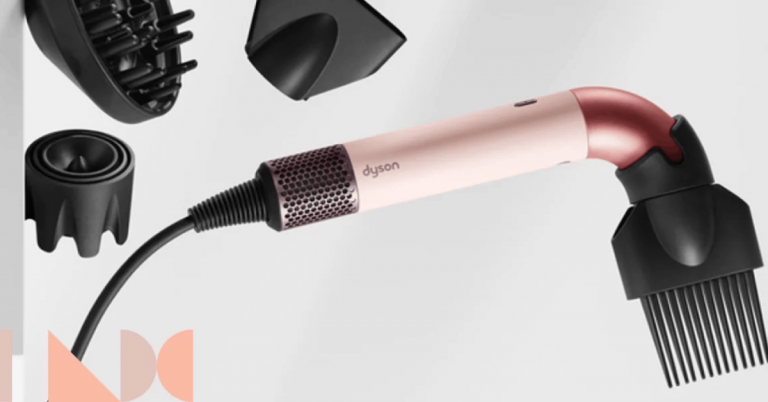
The Dyson Supersonic Nural is an official example to review when adjustable airflow and heat are priorities. Compare features, price, voltage, and warranty. Choose the dryer whose available controls match how you get ready. You should not need to hunt for a manual to use it.
Plan Styling Days
When heat becomes automatic, it is easy to restyle hair that needs only minutes of attention. Decide which days need a polished finish and which can hold a braid, clip, wave, or natural texture. Planned heat days make lower-effort days easier to accept. That can reduce the temptation to restyle between meetings or errands.
This needs no strict calendar. Think about work, weather, workouts, and events, then leave room for change. A style that looks fine after a refresh rarely needs heat again. Stopping early protects ends and shortens the morning. The goal is a repeatable routine, not a complicated rule.
Use a Brief Styling Order
A simple order interrupts resistance, higher heat, and another pass. Prepare hair before styling; do not expect the tool to solve everything. This matters when time is short. Use better timing instead of more intensity. Natural movement is not damage.
- Detangle and dry hair fully.
- Apply protectant in small sections.
- Let the finished style cool before touching it again.
After hair cools, step back before deciding it needs more work. Small changes look larger up close. Leave a few flyaways alone. A finished-enough style beats heat that turns a touch-up into a full restyle.
Let Heatless Styles Carry the Week
Test heatless styles before a busy morning. Braids, twists, rollers, wraps, clips, and air-dried texture can look intentional without a salon blowout. They add more variety while reducing constant exposure on the same strands.
Choose something that fits your hair and sleep habits. A high bun that hurts at night will not become dependable. Try one method twice before judging. The best lower-heat styles are comfortable when tired.
Protect the Finished Style
The hours after styling affect tomorrow’s heat needs. Constant brushing, tight elastics, and heavy products can undo a finish. Keep a clip or soft tie nearby. This extends next-day shape without extra manipulation.
Use leave-in or serum only when it improves rough ends. Layering products whenever hair changes shape can create buildup. Notice what improves feel, not only shine. A lighter routine shows what is helping. Let the roots stay comfortable too.
Let Bedtime Carry Tomorrow
Let hair dry before bed, release tight clips, and avoid firm ties. A loose braid, soft scrunchie, bonnet, or smoother pillowcase can protect overnight texture and reduce nape tangles.
Do not copy a sleep style that feels uncomfortable. Straight hair may need a loose end tie; curls may prefer a pineapple or wrap. Test what leaves your scalp relaxed and hair easy to refresh. Protect tomorrow’s routine, not a perfect bedtime look.
Also Read: Skincare Myths That Don’t Help
Keep Tools Clean
A hair-filled brush catches sooner. A clogged dryer filter affects airflow; hot-plate residue can drag. Cleaning will not rescue a broken tool, but can show whether maintenance is the problem. Clean contact supports more predictable styling.
Weekly, remove trapped hair, wipe cooled tools as directed, and check cords, teeth, handles, and plates. Stop using tools that heat unevenly, scratch your scalp, or have loose parts. Replace a failing item before it makes styling uncomfortable.
Change One Habit
One difficult hair day does not mean harm. Persistent breakage, burning, tenderness, shedding, or returning knots are different. Reduce heat and tension, then consider color treatments, tight styles, new products, or professional advice. Repeated warning signs deserve a real pause.
Start with the harshest step: lower the setting, skip a pass, detangle before drying, or try an overnight style. How to avoid hair damage from tools becomes easier when one gentle choice replaces an automatic habit. Hair needs room to recover between styles.