Learning to manage your hair without relying on hot tools every day is essential for its long-term health. The second sentence of this article focuses on how to avoid overusing heat styling tools and keep your scalp and strands strong.
Excessive heat styling damages both the hair shaft and the delicate skin around your hairline. This guide offers practical tips for switching to healthier, low-heat habits that still fit your routine.
Understanding the Effects of Too Much Heat
Overusing heat tools causes long-term damage that can affect both hair and skin. It weakens strands, leads to breakage, and can even irritate your scalp.
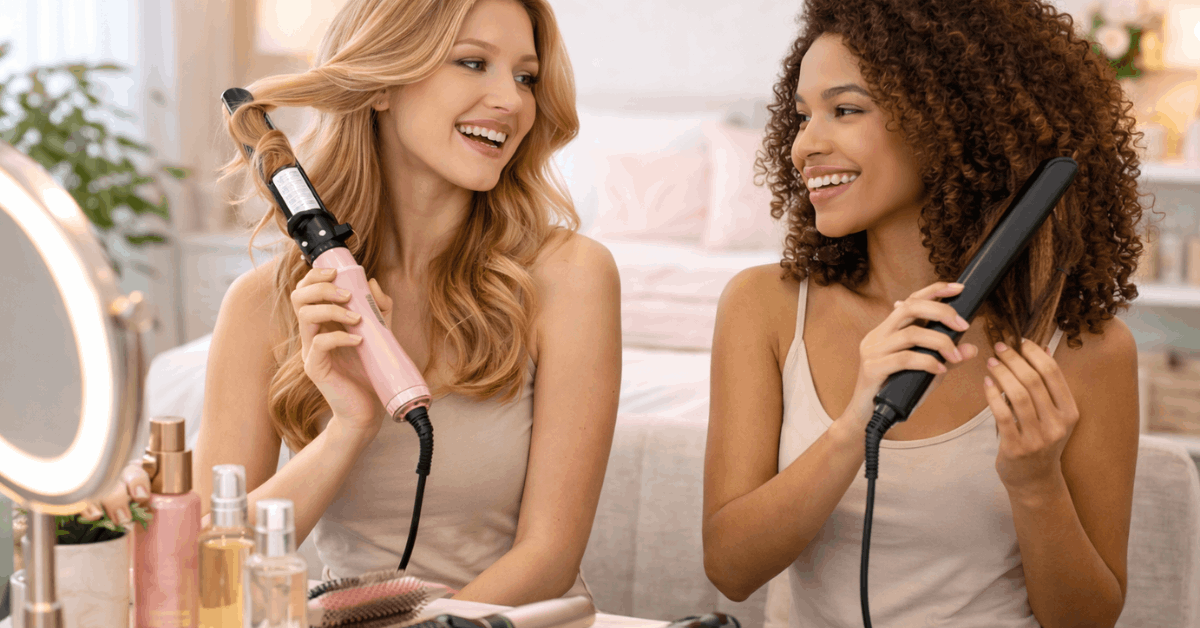
What Happens to Hair Under Constant Heat?
Excess heat strips away natural moisture, making strands dry and brittle. It also weakens the protective cuticle layer, increasing breakage and dullness.
Repeated exposure leads to split ends and frizz that are hard to repair. You’ll also notice a loss of elasticity, making it harder to style without tools.
How Does It Affect the Scalp and Skin?
Frequent heat can cause dryness on the scalp and the skin around your forehead. This may lead to redness, flaking, or tightness in the area.
Long-term exposure can trigger irritation, especially in sensitive skin types. It also compromises your skin barrier function when done without protection.
Signs You’re Using Too Much Heat
You’ll notice more hair fall, dry ends, and fading hair color. If your strands feel rough or look burnt, it’s a clear warning sign.
Overly oily roots may also be a response to scalp stress. These signs mean it’s time to scale back your routine.
When Is Heat Too Frequent?
Many people use heat styling tools without knowing their personal limit. Two to three times per week is usually considered the max.
Factors That Raise the Risk
If you color or bleach your hair, it becomes more sensitive to heat damage. Thin or fine hair also requires lower temperatures to avoid breakage.
Using products with alcohol can amplify the risk. High humidity or low hydration levels also make damage worse.
Should You Take a Heat Break?
If your hair feels lifeless even after conditioning, it’s time for a pause. A heat detox of two weeks can help restore strength.
During this break, stick to moisturizing and styling without heat. Evaluate how your hair reacts before restarting any tool use.
Alternatives to Daily Heat Styling
There are several low-heat and no-heat techniques that still deliver polished results. These methods save your strands and simplify your routine.
Heatless Methods That Work
Air-drying with shaping cream can create texture and reduce frizz. Braiding damp hair overnight gives waves without any tool use.
Using rollers or flexi rods also gives volume and curl without heat. Buns and twists can create stretch and shape naturally.
Hair Brushes That Enhance Without Heat
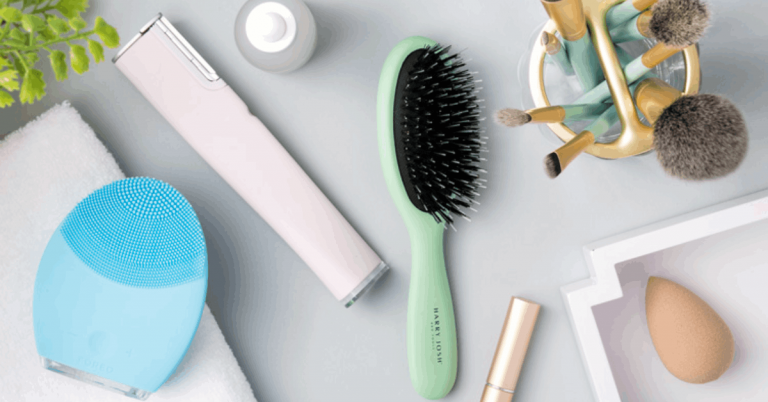
Using the right brush can help style your hair without adding heat. Boar bristle brushes help smooth strands and add shine.
Round brushes with vents can shape the hair when used with cool air. Detangling brushes reduce breakage and frizz without pulling.
Styling Products for Control
Light-hold creams help define natural shape while fighting humidity. Leave-in conditioners add smoothness and prevent puffiness.
Gel alternatives like curl custards work without crunch or heat. Use a finishing mist to keep hair in place without stiff sprays.
Build a Weekly Low-Heat Hair Plan
Learning how to alternate your hair routine reduces your reliance on hot tools. Planning ahead helps you stick to the goal of healthier strands.
- Wash and style hair on Day 1 with cool settings or air dry.
- Use heatless waves or protective styles for Days 2 and 3.
- Refresh with a leave-in mist or dry shampoo on Day 4.
- Repeat air-drying or bun styles through Day 5 to 7.
This allows only one or two days of heat per week. Rotate styles like buns, scarves, and braids to change up your look.
When You Still Want to Use Heat?
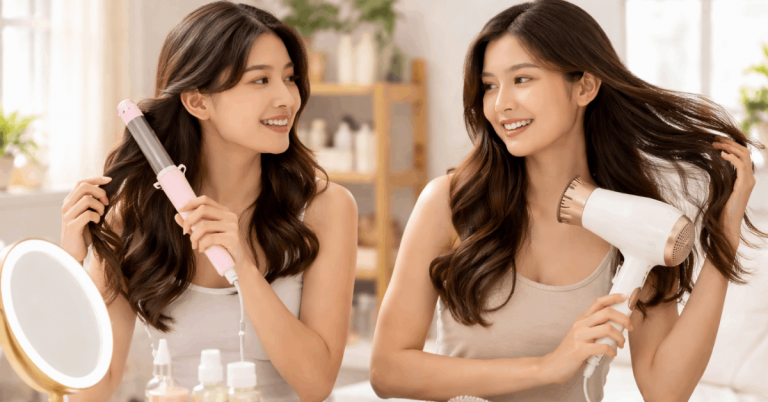
Using heat doesn’t have to be completely off-limits. Just learn to use it more safely.
How to Use Heat With Less Risk?
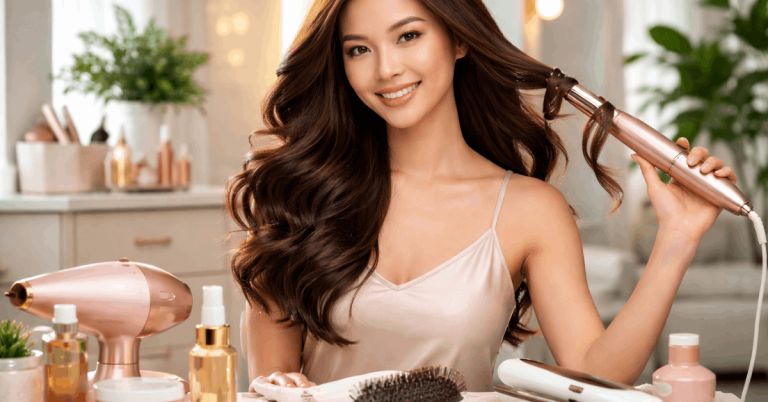
Only use tools on clean, fully dry hair to avoid frying the strands. Set the tool temperature based on your hair type—never use the highest setting.
Always apply a heat protectant product before using a flat iron or curling wand. Limit passes over the same section to just one or two.
Choosing Safer Tools
Pick styling tools that have adjustable temperatures. Look for ceramic or tourmaline plates instead of metal ones.
Ionic dryers cut down drying time and use less heat. Invest in tools that shut off automatically to prevent overheating.
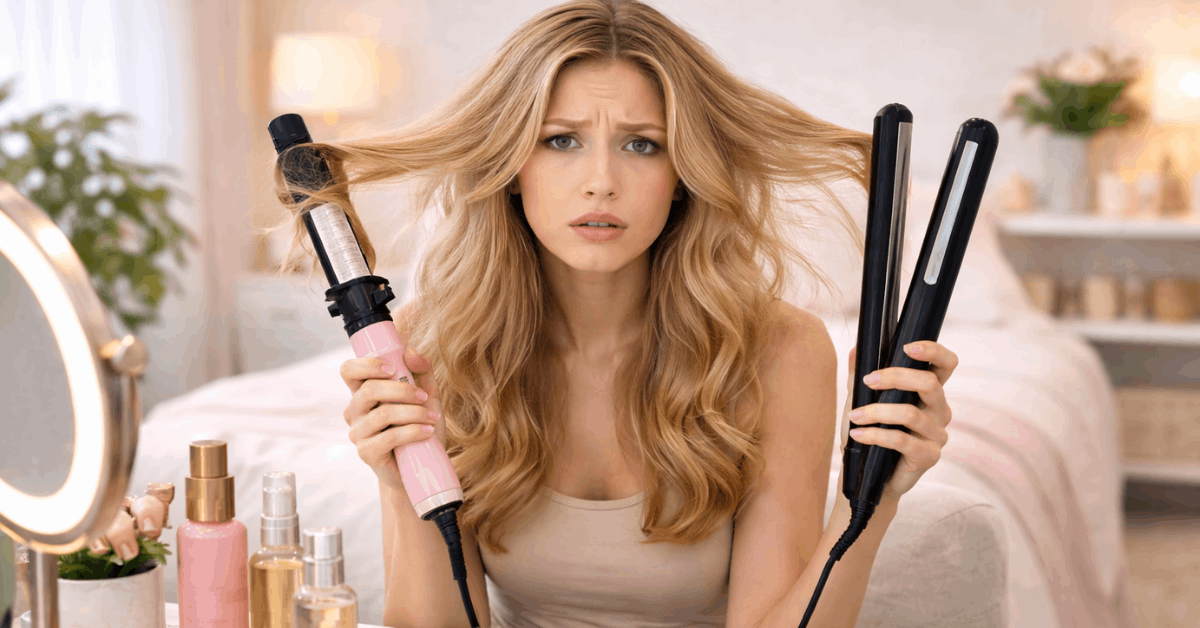
Expert Tips for Safer Hair and Skin
Even professionals warn against daily heat styling. They suggest focusing on technique and maintenance instead.
Hair Stylist Advice
Stylists recommend letting your hair fully recover before adding heat again. They also suggest layering moisture-rich products before and after using heat tools.
Avoid applying tools directly to the roots or on already damaged ends. Trim often to prevent splits from traveling.
Dermatologist Reminders
The scalp is skin, and repeated exposure to heat can cause irritation or buildup. Use scalp serums and gentle exfoliators once a week.
If you experience redness or soreness, stop heat immediately. Healthy hair always begins with a calm, balanced scalp.
Myths That Make You Use More Heat Than Needed
It’s easy to get caught up in trends that promote daily styling. But most are unnecessary.
Daily Heat Equals Better Hair
Many think using a flat iron every day keeps hair in place, but this causes long-term damage. You can achieve the same result with proper nighttime styling.
Wrapping or pinning your hair overnight often preserves the look. Avoid repeating heat styling on already-styled hair.
Air Drying Is Bad
Air drying is actually healthier when done correctly. Avoid going to bed with wet hair, as that can cause breakage.
Use a microfiber towel to blot water before letting it dry naturally. Apply light product to guide the hair’s shape as it sets.
You Must Use Heat After Every Wash
You don’t need to style with heat each time you wash your hair. Let your natural pattern settle for a day.
Use a diffuser on low to reduce drying time without full heat. Refreshing with cool tools and light product can hold the look for days.
Rethinking Your Hair Routine for Healthier Skin Too
Reducing heat in your hair routine brings better results than you expect. The second sentence of this section brings back how to avoid overusing heat styling tools and replace them with smarter habits.
You’ll have fewer breakouts along the hairline and less scalp irritation. Make your beauty routine easier and more effective by going low-heat for good.