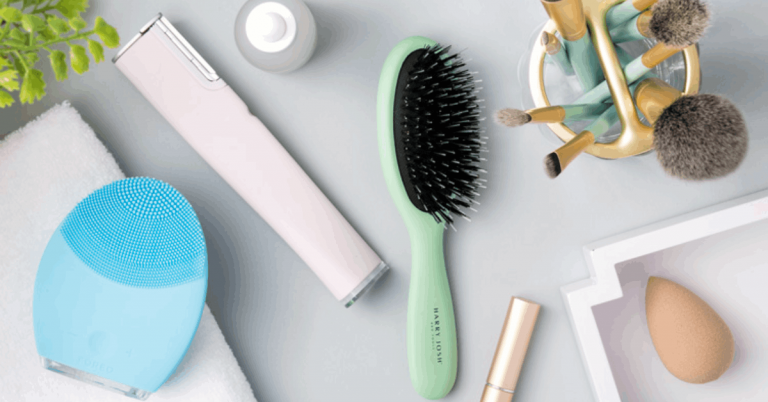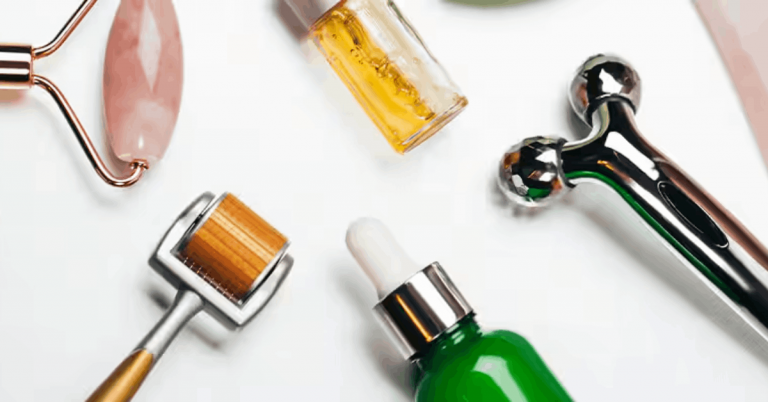
A routine can go wrong long before a product touches your skin. A brush stays full of hair, a razor is tossed back near the sink, or a cleansing tool gets used harder because results are not immediate. Common beauty tool mistakes to avoid usually come from small repeated habits, not from owning the wrong brand.
This guide is for anyone who wants daily care to feel cleaner and less fussy. It focuses on the choices that cause irritation, wasted money, and cluttered drawers: poor cleaning, tool mismatch, too much pressure, and keeping worn items too long. The goal is practical upkeep and more comfortable use.
What Happens Between Uses Matters
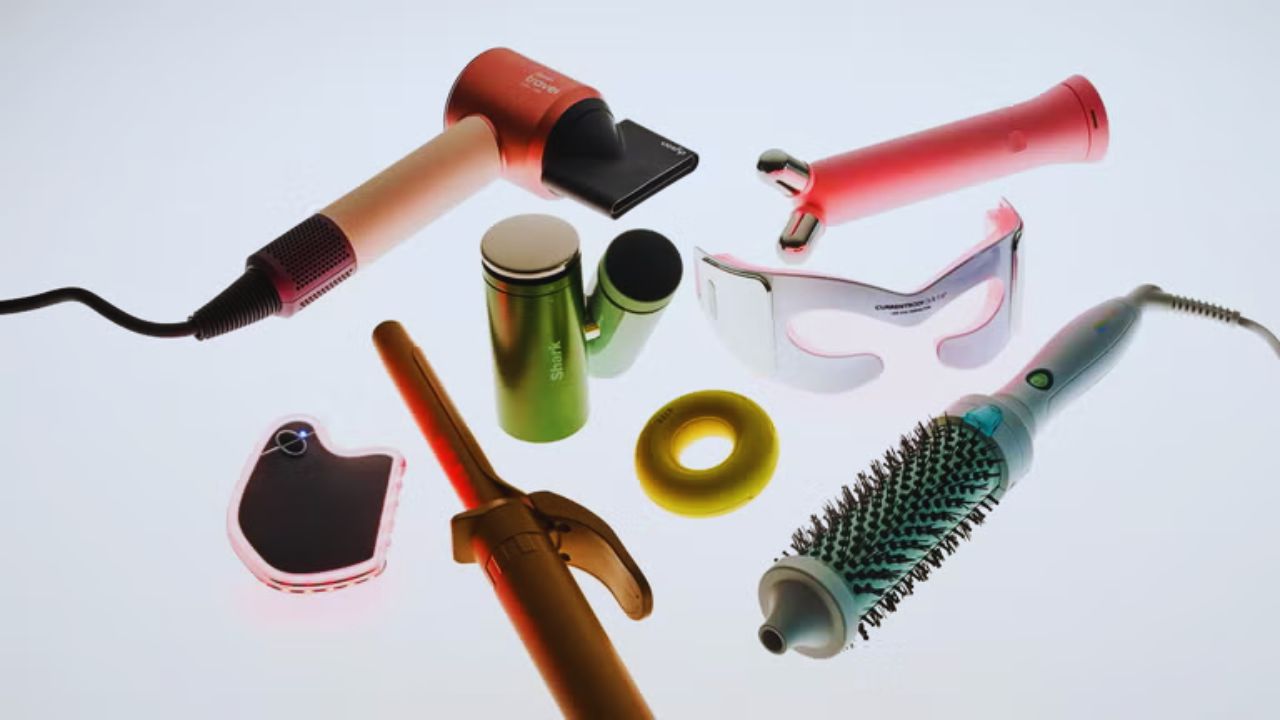
Hair, oil, makeup, skin flakes, and styling residue remain on a tool after it is used. When that buildup stays there, a brush can drag, a pad can smell stale, and a razor can feel less smooth. Cleaning protects tool performance and your next routine.
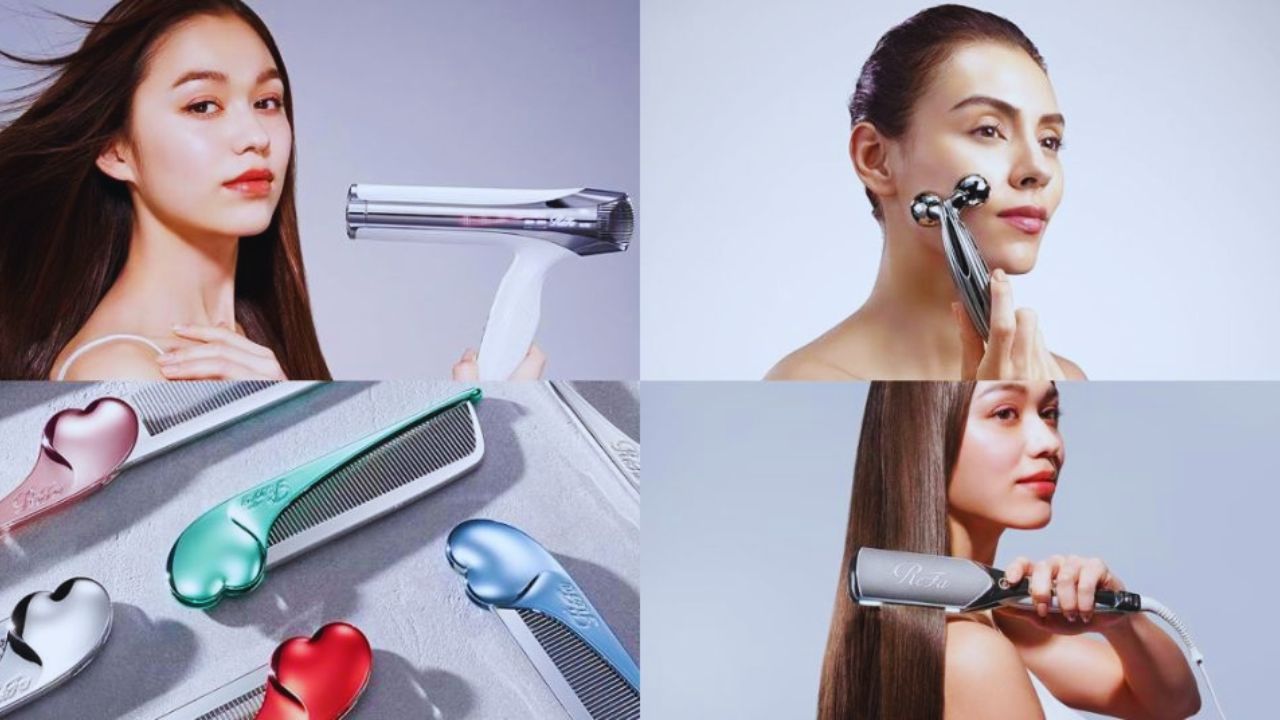
You do not need a complicated sanitation ritual. Remove shed hair when you see it, rinse washable tools as directed, and let them dry before storing them. Those small steps stop old residue and trapped moisture from becoming a problem the following day.
Clean First, Then Put It Away
A closed drawer looks organized, but it is not the right place for a damp brush, razor, or reusable pad. Steam from the shower can keep moisture in seams and bristles longer than expected. Give tools time in an open, dry spot. Air-drying properly keeps daily items fresher.
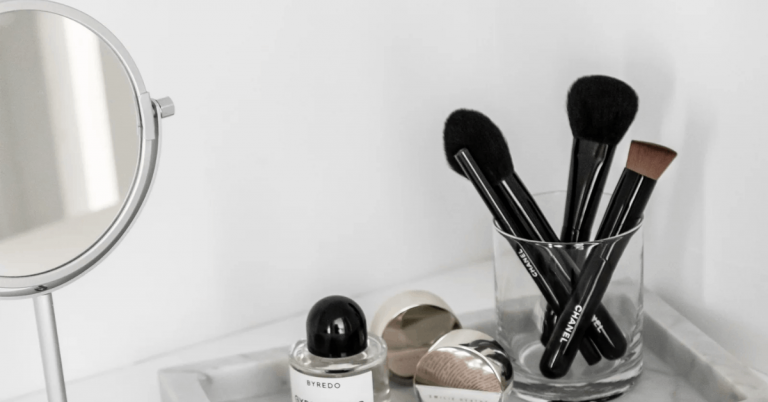
Avoid leaving metal tools on the sink ledge, where splashes and toothpaste can collect. A small tray, cup, or breathable holder keeps your essentials together without sealing in moisture. When travelling, pack only dry items. That reduces stale odors and surprises in your bag.
A Familiar Tool Can Still Be the Wrong Tool
The brush you use on dry hair may not work well on wet curls, a tender scalp, or freshly colored lengths. The same applies to exfoliating pads, facial razors, and body brushes. Match the tool to the task. Tool mismatch often causes unnecessary strain before you realize it.
Pay attention to resistance. Hair catching at the nape, redness after cleansing, or a razor that needs several strokes are signals worth respecting. Change your angle, add slip, or stop for the day. More force rarely improves the result; it usually makes skin discomfort and hair damage worse.
Detangling Should Not Hurt
Brushing quickly from roots to ends can push small knots into a larger tangle. Start at the ends, hold the section above the knot, and work upward in short passes. Curly, coily, thick, or bleached hair may need conditioner or leave-in for slip. Gentle detangling depends on lower tension.
The Tangle Teezer Ultimate Detangler is one official product example to compare for wet hair or shower detangling. Review its tooth design, handle, and care directions before buying. A brush should fit your wash-day routine and leave you with more control and less pulling.
Precision Tools Are Not for Sharing
Tweezers, facial razors, nail clippers, and cuticle tools may be small, but they need careful handling. Rushing, working too close to a mirror, or continuing after skin feels sore can cause more trouble than the stray hair or rough edge you started with. Slow handling supports cleaner grooming.
The Tweezerman Classic Stainless Steel Slant Tweezer is a direct official example to review when comparing brow tools. Look at tip alignment, grip, and cleaning guidance. Keep this kind of item personal, and stop when the area looks tidy. Skin comfort matters more than chasing perfection.
More Pressure Does Not Mean Better Results
It is easy to confuse effort with effectiveness. Cleansing pads, rollers, scalp tools, and body brushes do not work better because you press hard or repeat the same area. Friction can leave skin tight and hair rough, even with gentle products. Use light pressure and short passes.
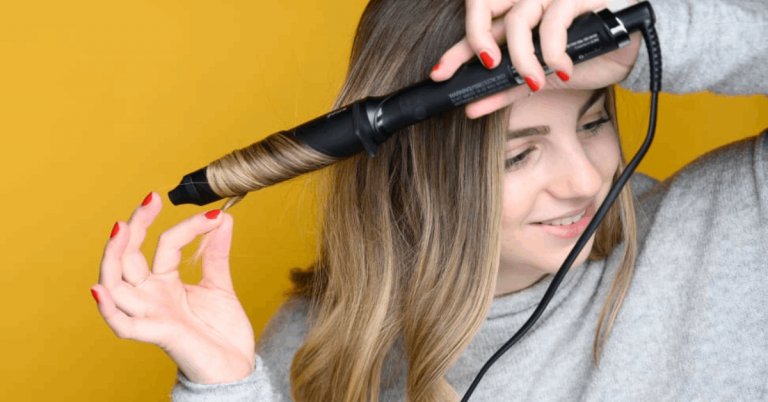
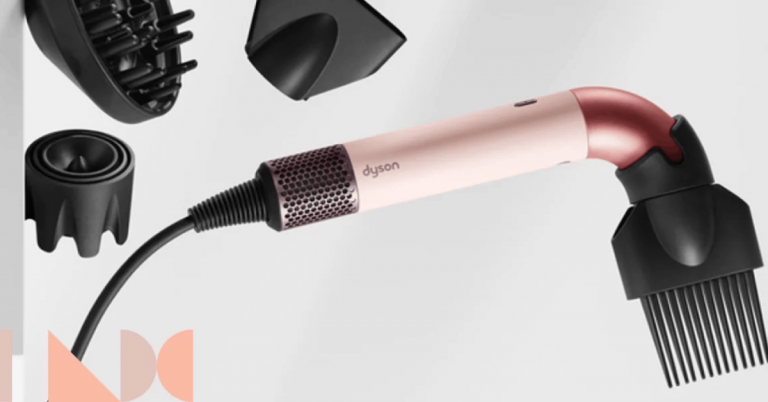
The same idea applies to dryers, straighteners, and hot brushes. Very high heat or repeated passes may create a quick finish, but can leave hair dry later. Prepare hair first, use a workable setting, and keep the tool moving. Controlled technique is safer than maximum heat.
Exfoliation and Heat Both Need Limits
Exfoliating tools can feel satisfying when skin looks dull, while heat can seem essential when hair will not cooperate. Neither should be an everyday rescue plan. Watch for stinging, flaking, lasting redness, brittle ends, or a hot scalp. These signs suggest too much frequency or too much intensity.
Avoid stacking exfoliating products with strong devices, or using heat to correct hair that is tangled, soaked, or coated in residue. Follow the manufacturer’s directions and reduce use when irritation appears. If discomfort persists, ask a dermatologist or stylist for advice. A calmer routine is better than a harsher fix.
A Small Reset Keeps Problems Small
Waiting until every tool looks grimy turns maintenance into a weekend project. A quick weekly reset keeps the work short and helps you see what is wearing out. Focus on what touched your hair or skin most often. That makes regular care feel easy to repeat.
Use this short check as a weekly routine:
- Remove hair from brushes and combs.
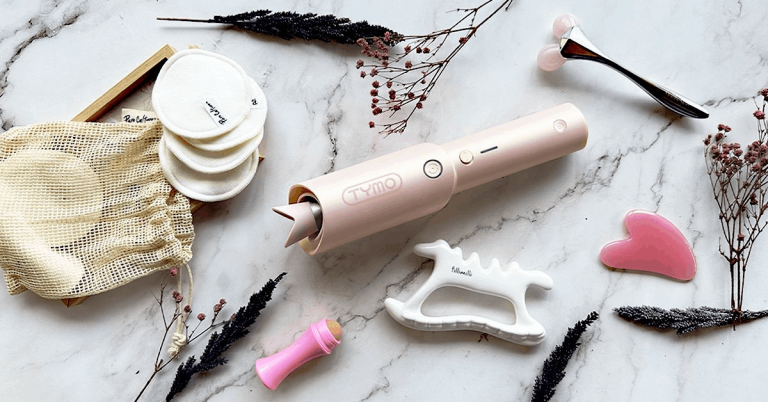
- Wash reusable pads and dry them fully.
- Wipe metal tools and inspect edges.
Cleaning cannot repair bent pins, cracked handles, dull blades, or tweezers that no longer close evenly. Retire damaged items instead of forcing them to last. Replacing one weak tool is usually cheaper than buying a new set. It protects daily comfort and better hygiene.
Also Read: How to Avoid Hair Damage From Tools
End With the Tool That Bothers You Most
Pick one item that has become annoying this week. Clean it, dry it properly, inspect it, and change your technique before shopping for a replacement. Common beauty tool mistakes to avoid are easier to fix when you focus on one repeat problem instead of every possible flaw.
A better beauty routine is not built by collecting devices. It comes from clean tools, gentle handling, and knowing when an item has stopped doing its job. Keep the tools that make care easier, and let the rest go. Your routine should feel more reliable and less demanding, even on rushed mornings, busy evenings, and days when you have little patience left too.