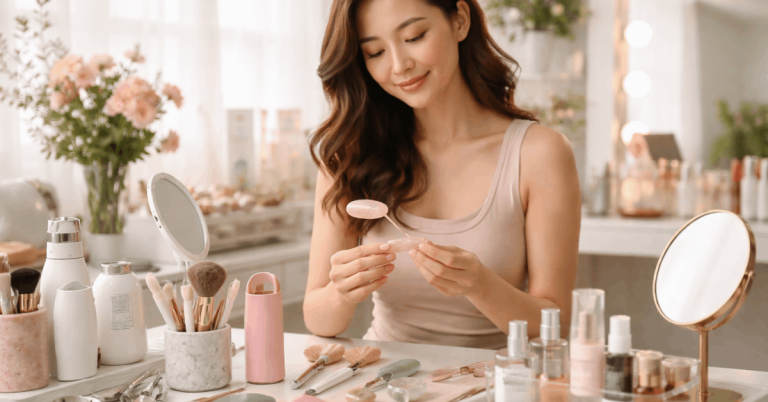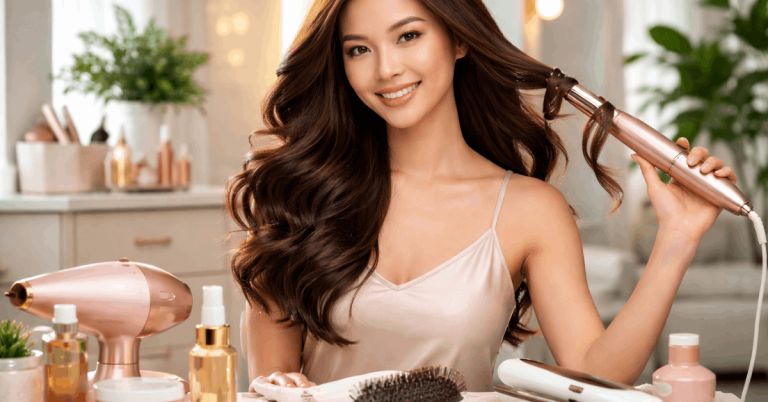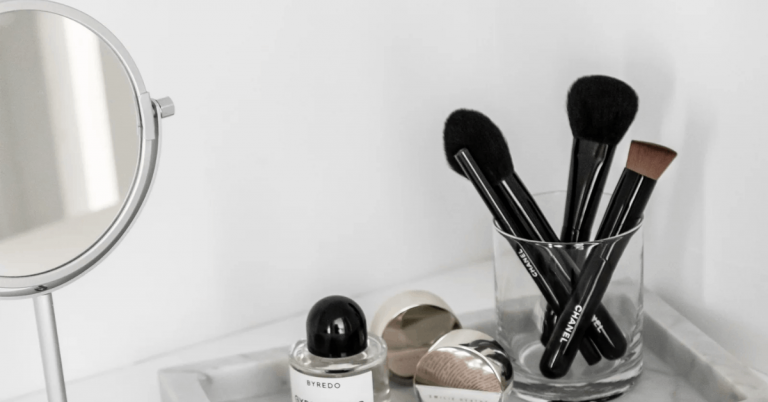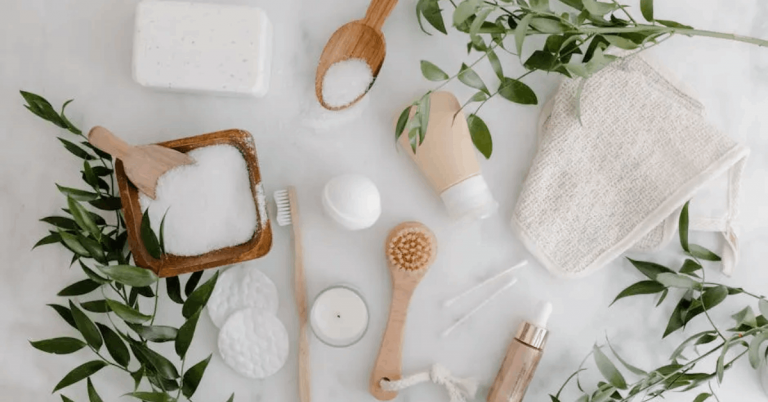
A beginner does not need a drawer of brushes, devices, and bottles. Useful items make routine tasks easier: a brush that does not tug, a tool that rinses cleanly, or clips that keep hair away from your face. Everyday beauty tools should support comfortable habits, not create another chore.
This guide is for someone building a first kit or replacing worn basics. It explains where simple tools help, when they are unnecessary, and how to keep them clean. The aim is practical confidence and less clutter, not a complicated routine.
Begin With the Routine You Already Have
Before buying, notice the moments that slow you down. Maybe wet hair tangles at the nape, your fringe needs smoothing, or cleanser runs down your sleeves. Those details point to the tool that may earn a place. Repeated problems matter more than social-media trends.
Look at your schedule too. Someone who showers after the gym needs a different setup from someone who air-dries weekly. A tool that never travels well or dries properly may not be useful. Build around real mornings and real storage space.
Separate Daily Care From Occasional Extras
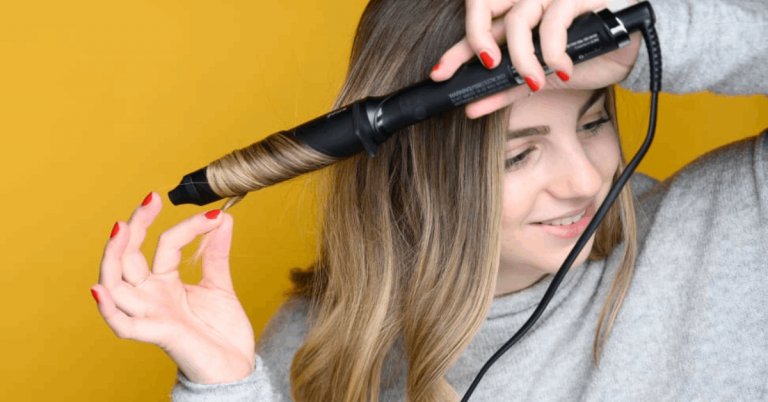
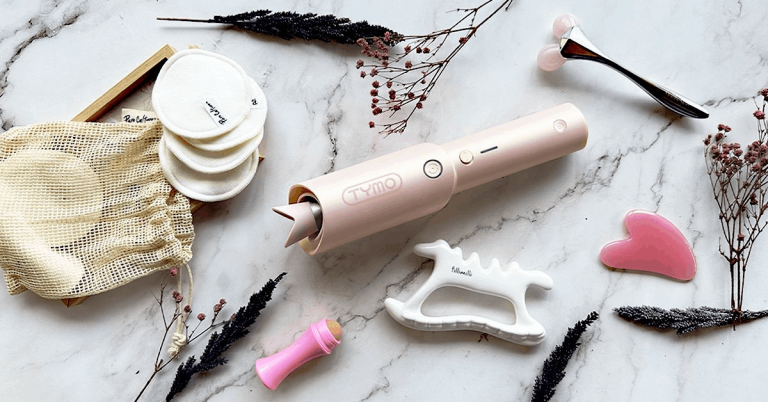
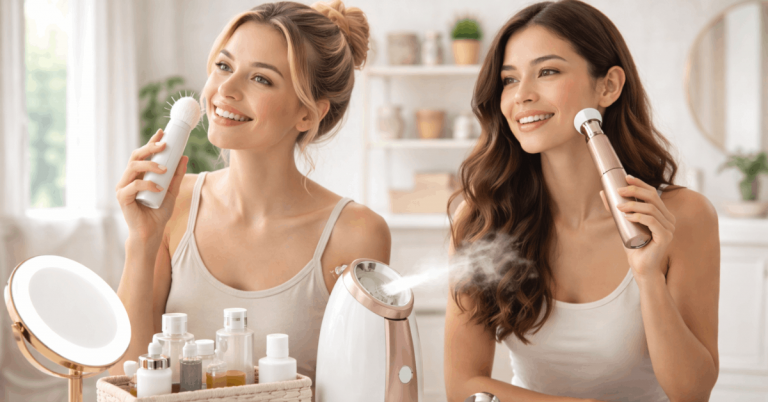
Daily tools are things you use gently and maintain easily: a comb, brush, nail clipper, reusable pad, or hair tie. Occasional tools need more time, skill, or heat, such as curling wands, facial steamers, and at-home devices. Knowing the difference keeps daily care from becoming a long project.
Occasional tools are fine when you enjoy using them. Trouble begins when you buy one to fix a routine you have not understood. Start with the basics and notice what remains difficult. That gives you a clear reason for a later addition.
Build a Small Kit You Can Maintain
A beginner kit does not need to match anyone else’s. Short, straight hair may need one brush, while curls may need fingers, a wide-tooth comb, and clips for sections. The best starting kit reflects your hair texture and your usual style.
For skin, ask what helps you cleanse without irritation. A soft cloth, headband, reusable pads, and clean tweezers may cover more than a shelf of gadgets. Look for items with simple surfaces and clear care instructions.
Hair Tools That Help Without Taking Over
For detangling, pick a tool for hair at its most vulnerable. Fine hair may prefer flexible teeth, while thicker curls often need conditioner, sections, and a wide-tooth comb. Start at the ends and move upward. This reduces scalp tension and unnecessary breakage.
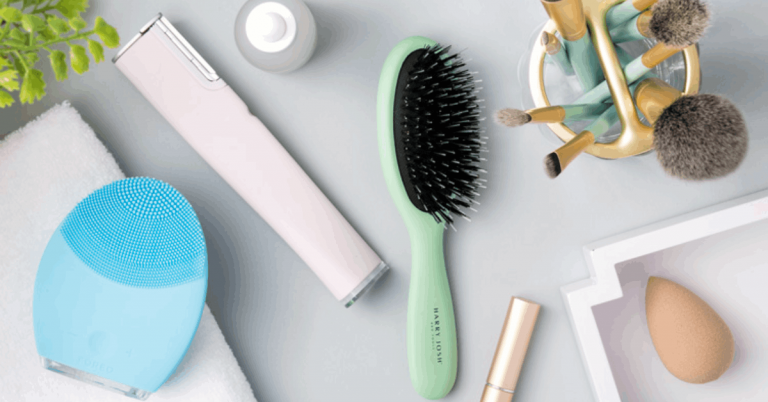
The Tangle Teezer Ultimate Detangler is an official option for wet hair or conditioner detangling. Check its handle, tooth spacing, and cleaning directions before buying. You want steady control and a gentle glide, not another brush that pulls.
A Cleansing Tool Should Feel Mild, Not Aggressive
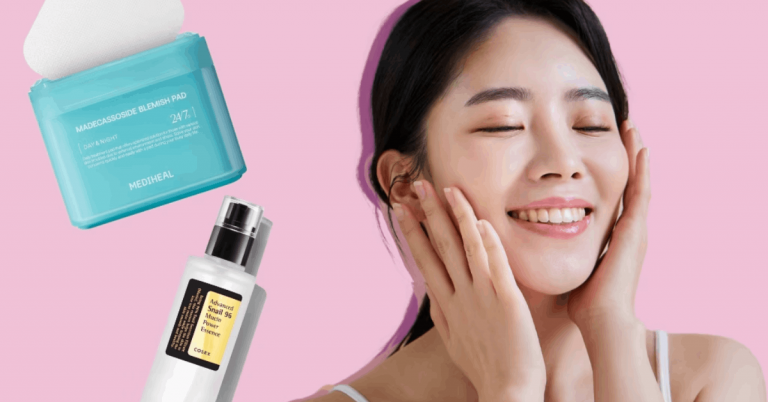
A facial tool is optional, not a test of how serious you are about skincare. Many people do well with clean hands and a gentle cleanser. A soft silicone pad may offer more control around the nose, jawline, or hairline. Prioritize skin comfort and light pressure.
The FOREO LUNA 4 is an official product example to compare if you are considering a silicone cleansing device. Read its care instructions, charging needs, and return information before deciding. Easy upkeep and your skin’s response should matter more than features.
Technique Changes What a Tool Can Do
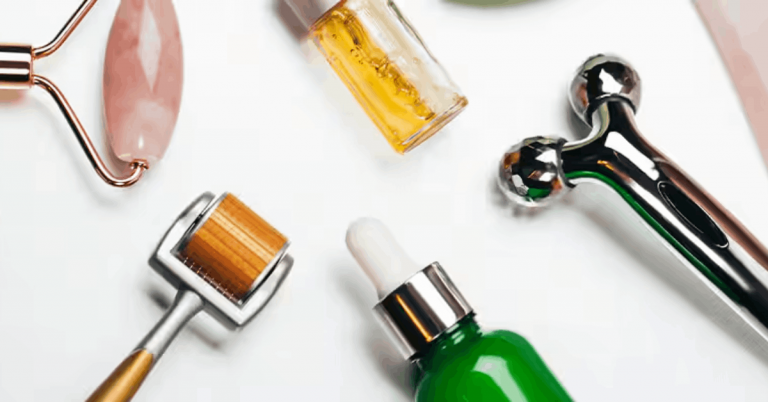
A useful tool can still cause trouble when rushed, overused, or pressed too hard. Brushes, razors, and exfoliating tools work better with light, controlled movements. Slow down when you meet resistance. That protects sensitive areas and the tool itself.
Notice what your skin and hair do afterward. Stinging, lasting redness, snapped strands, or scalp soreness are signs to pause. The answer is not automatically a stronger device. Often, you need less friction and a gentler method.
Heat Is a Finish, Not a Fix
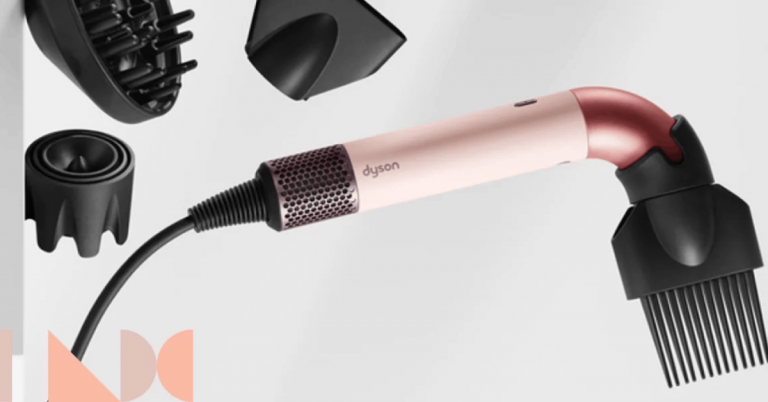
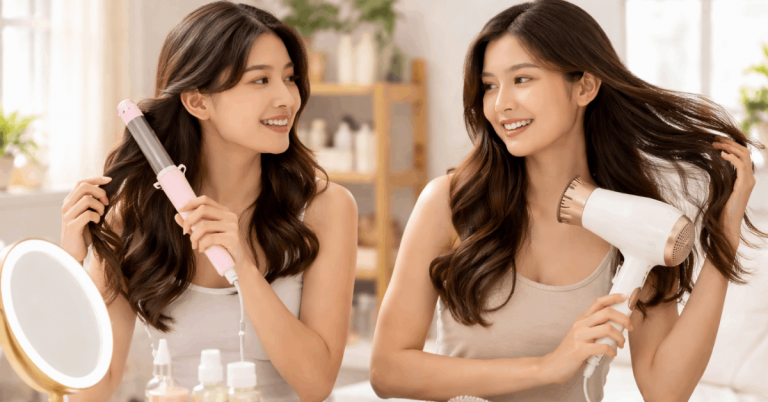
Heat tools can shape front pieces, smooth a fringe, or dry roots before leaving. They are less helpful when used to fight hair that is tangled, soaking wet, or coated with residue. Prepare first. Use lower heat and fewer passes.
Check the setting, cord, and cooling spot before turning a device on. A flat iron or dryer should fit your morning without creating a safety problem. When possible, focus on the sections that need it most. That keeps styling time and heat exposure reasonable.
Keep Tools Clean Enough to Trust
Hair, oil, makeup, and product residue build up quickly. A brush can drag when full of shed strands; reusable pads can smell stale when left damp; tweezers can collect residue. Cleaning is part of comfortable use and basic hygiene, not a separate beauty hobby.
Keep tools where they can dry. Do not close a damp brush in a pouch or leave a razor under a wet washcloth. Put a small towel or container nearby for daily items. This protects clean surfaces and your next routine.
Also Read: How to Avoid Overusing Heat Styling Tools
A Brief Weekly Reset Beats a Big Catch-Up
Once a week, take two minutes to see what needs attention. You do not need to scrub every item or reorganize the bathroom. Focus on the tools that touch your skin and hair most often. That keeps maintenance manageable and problems visible.
Use this short reset for weekly care:
- Remove hair from brushes and combs.
- Wash reusable pads and dry them fully.
- Wipe tools and check for cracks or dull edges.
Replace items when cleaning can no longer make them comfortable or safe. Bent pins, chipped handles, dull blades, and tweezers that will not close evenly are useful signs. One thoughtful replacement is better than a complete new set. This supports better value and less waste.
Let Your Kit Change Slowly
Your needs may shift with a haircut, a new job, weather, travel, or a change in how you wear your hair. That does not mean the whole kit has failed. Keep basics that work, then add or replace one thing when a real gap appears. Small adjustments give clearer feedback.
Start with the tool you reach for but do not enjoy using. Clean it, check whether it is worn, and decide whether a better version would solve the problem. Over time, everyday beauty tools become easy to choose: they feel comfortable, support a routine, and make daily care simpler when life is busy and unpredictable.