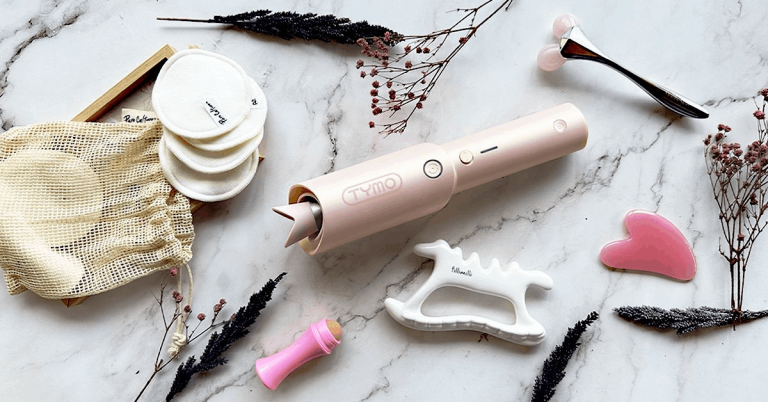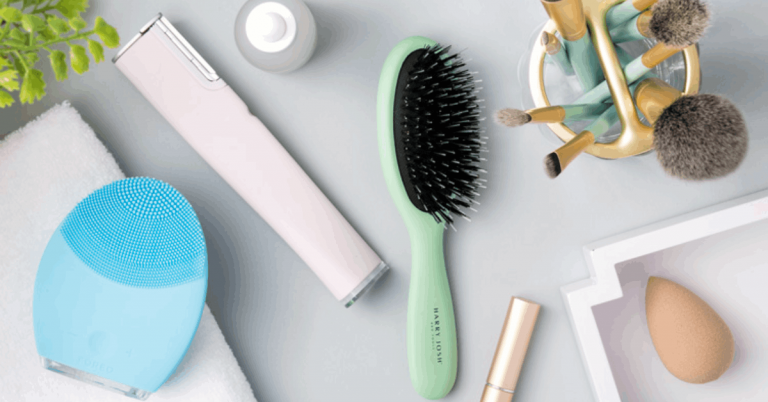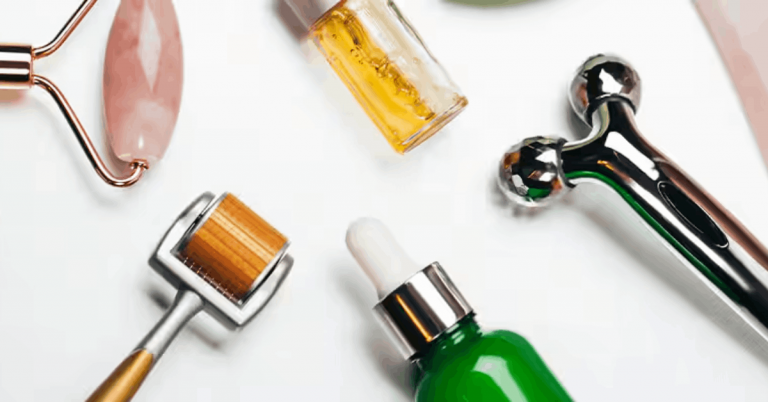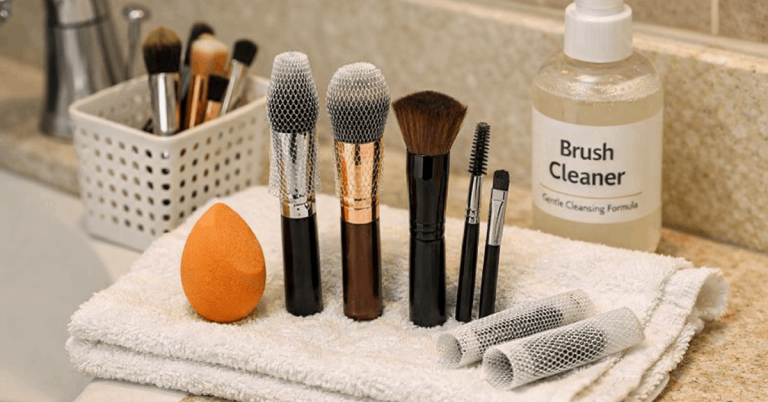
You deserve beauty tools that are effective and safe. Learning how to choose safe beauty tools helps you avoid irritation, breakouts, or long-term skin damage.
This guide walks you through every key point to help you make informed decisions. You’ll get straightforward tips on material safety, tool hygiene, certifications, and more.
Understand Why Safety Matters
Poorly made beauty tools can harm your skin or hair. Some even pose electrical or hygiene risks. You need to know what causes these risks before you shop. Awareness leads to better choices.

Skin and Hair Damage from Unsafe Tools
When tools are made with rough or low-grade materials, they can scratch, irritate, or break skin. Metal bristles or rough edges cause microtears.
Heat tools with poor temperature control burn hair or skin. Repeated use without proper care makes things worse.
Infections and Contamination Risks
Unclean tools are a major cause of skin problems. Bacteria thrive on brushes, razors, and rollers that are not cleaned regularly.
Shared or secondhand tools are even riskier. If you skip proper sanitation, breakouts and infections follow.
Electrical Hazards with Styling Devices
Many beauty tools need electricity. Cheap or uncertified models can short-circuit or overheat.
Always check plugs, cords, and safety marks. Don’t ignore the risk of fire or electric shock.
Key Safety Factors to Check
Knowing what to look for can save your skin and your money. Below are four reliable indicators of safer products. Always take a few minutes to check before buying.
- Material quality: Look for stainless steel, ceramic, silicone, or BPA-free plastic. Avoid unknown or mixed metals.
- Design and grip: A tool should feel stable in your hand. Slippery or sharp edges mean poor design.
- Brand and reputation: Choose trusted names with verified reviews. Avoid generic or no-name products.
- Label certifications: CE, UL, or dermatologist-approved symbols are essential.
Safe Materials to Prioritize
Different tools require different materials. Still, some materials are safer across most categories. This section highlights which ones you can trust.
Hair Brushes and Combs
Boar bristles are gentle on hair and scalp. Nylon tips must be rounded to avoid scratching.
Avoid metal bristles unless professionally recommended. Handles should be smooth and non-porous.
Skin Grooming Tools
Tweezers, razors, and rollers should be stainless steel. This metal is durable, rust-resistant, and skin-safe.
Stay away from tools with nickel, which can trigger allergies. Also, inspect edges and hinges for sharp flaws.
Heat Styling Devices
Ceramic and tourmaline plates reduce heat damage. Temperature control is non-negotiable.
Tools should have even heat distribution. Auto shut-off features add a layer of safety.
Check for Certifications
Before using any tool, check for labels that verify safety. Certified products have passed testing and meet minimum safety standards.
- CE (Conformité Européenne): Confirms the product complies with EU safety laws. You can verify CE marking details directly from the European Commission’s official site.
- UL (Underwriters Laboratories): Confirms electrical safety for North America. You can explore UL standards and certification listings at the UL official database.
- Dermatologist-tested or hypoallergenic: Indicates skin compatibility.
- BPA-free or cruelty-free: Confirms non-toxic and ethical sourcing.
Fake labels are common in cheap tools. Always compare official logos with examples from reliable sources.
Trusted Places to Buy
Product safety depends on where you buy it. Stick to reliable sources that offer return policies and customer service.
- Official brand websites: Best for new, authentic products.
- Licensed retailers: Stores like Ulta, Sephora, or pharmacy chains are safer. Check product listings at Sephora to confirm authenticity.
- Avoid suspicious sellers: Very low prices or no reviews are red flags.
- Always check return options: If it arrives damaged or fake, you need a way out.
Preventing Safety Issues Through Maintenance
Owning a safe tool is only part of the work. You also have to maintain it to keep it safe. Below are simple maintenance tasks you should never skip.
- Clean after every use: Use soap, alcohol, or a disinfectant.
- Air-dry tools: Moisture invites bacteria.
- Store properly: Use cases, pouches, or dry drawers.
- Replace regularly: Dull blades or worn parts lead to injury.
Signs Your Beauty Tool Isn’t Safe
Some tools look fine but hide real problems. Watch for these red flags so you can act early. Don’t assume a new tool is a safe tool.
- Loose parts: Indicates bad assembly or wear.
- Rust or discoloration: Signals contamination or old age.
- No manual or label: Often means a fake or unregulated item.
- Burnt smell or sparks: Immediate reason to stop using.

Comparison: Budget vs Premium Tools
Spending more doesn’t always mean better quality. But ultra-cheap options usually cut corners. Here’s how to weigh your options carefully.
- Budget tools: Fine if they have good reviews, certification, and a safe design.
- Mid-range tools: Often strike the best balance between cost and quality.
- High-end tools: Worth it for frequent users needing performance and durability.
- Watch for marketing tricks: Price must reflect build quality, not hype.
How to Test a Tool Before Daily Use
Testing your tool before regular use ensures it won’t cause harm. It also gives you time to spot defects or poor build quality.
Patch Test for Skin and Hair
Always test on a small skin area before full use. If it’s a razor or roller, avoid the face first. Use the arm or leg to check reactions. Wait 24 hours.
Run Heat Tests Safely
Turn on heat tools at low power for the first use. Hold them away from the skin while heating. Watch for smoke, smell, or loud noise. If anything seems off, stop.
Check Response and Feel
Test combs or brushes on clean, dry hair. They should glide without snagging. Grooming tools must open and close smoothly. If they hurt, replace them.
Extra Tips for Better Safety
Small changes improve your safety when using beauty tools. These tips apply whether you’re a beginner or a regular user. Take a few seconds before each use to apply them.
- Read the manual: Yes, even for simple brushes or rollers.
- Don’t multitask: Focus, especially with heated or sharp tools.
- Use clean hands: Dirty hands transfer bacteria to your tools.
- Let tools cool fully: Avoid storing or cleaning when hot.
When to Replace Your Tools
Overused or damaged tools stop being safe. Know when to let go and buy new ones. Below are clear signs to look for.
- Blades dull or nicked: Causes uneven cuts or scratches.
- Handles loose or cracked: Can snap during use.
- Wires exposed: Electrical risk.
- Discoloration or odor: This means bacterial buildup.
Final Thoughts on Tool Safety
Making smart decisions starts with knowing how to choose safe beauty tools. You now understand the risks, features to prioritize, and habits to follow.
Don’t wait for skin damage or accidents to happen. Invest in safety from the start, and your beauty routine will stay simple and worry-free.