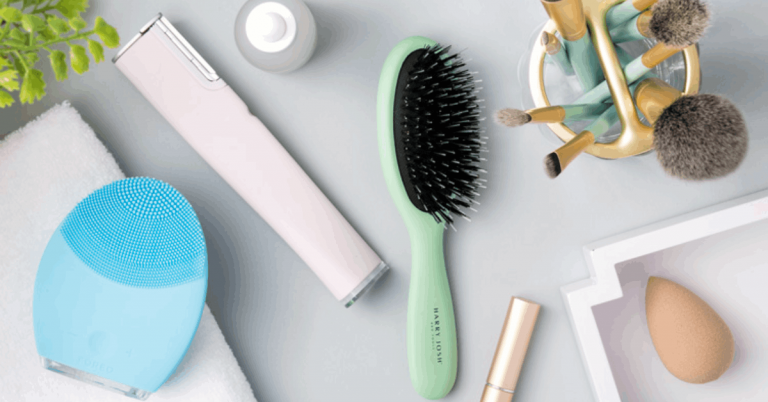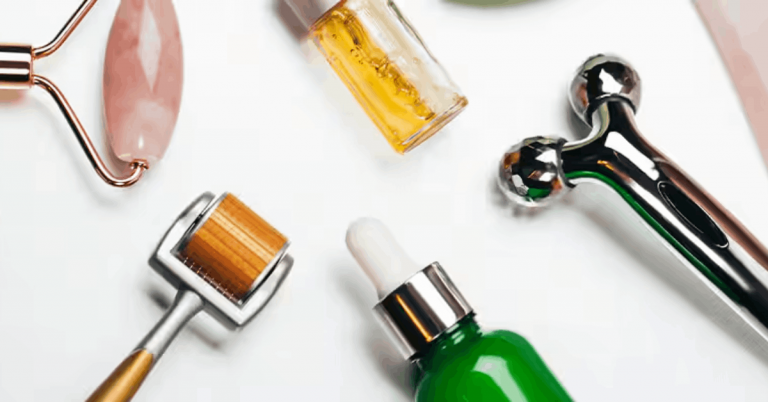
A beauty tool rarely fails in one dramatic moment. More often, a brush catches at the ends, a sponge stays damp too long, or a razor suddenly takes extra passes. The need to replace beauty tools regularly begins when those small changes interrupt comfortable daily care.
This is not a reason to replace everything on a strict calendar. A comb can last years, while a daily razor can become rough quickly. The useful habit is noticing performance changes before they become skin irritation or a rushed purchase.
The Wear You Can See—and the Wear You Feel
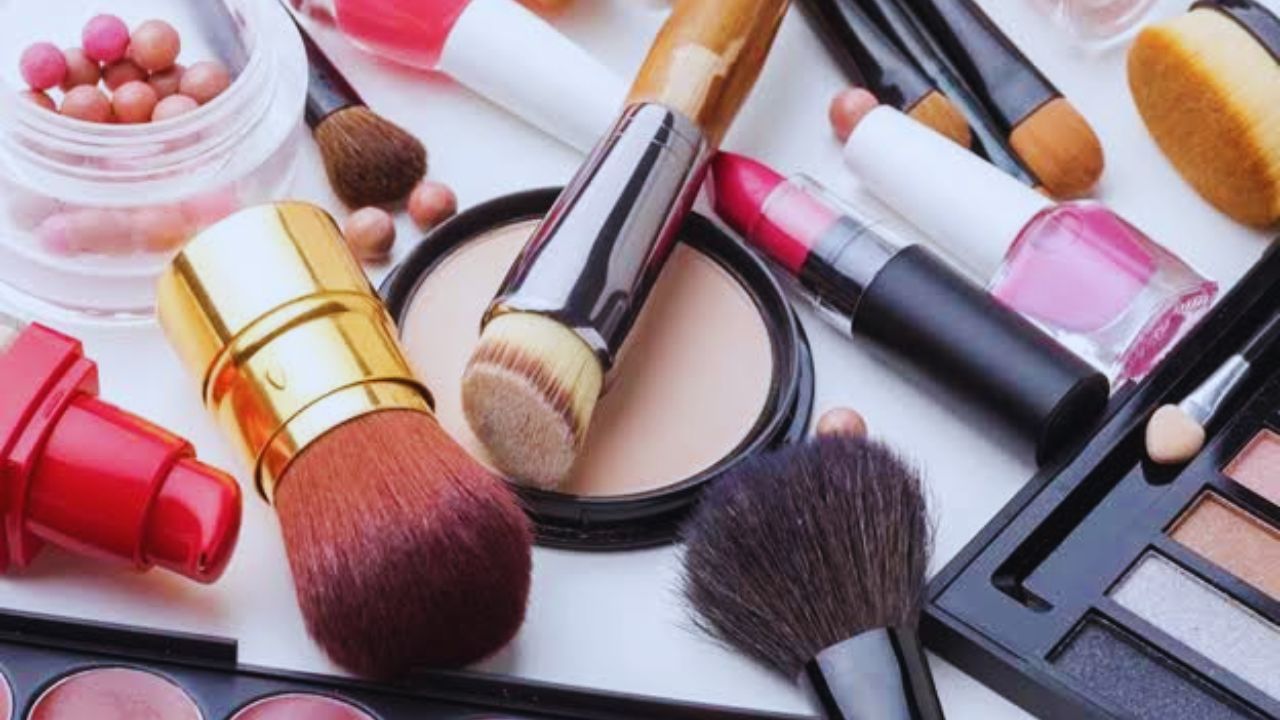
Inspect tools before use, then notice how they behave. Cracks, rust, loose parts, sticky residue, and damaged cords are obvious warning signs. Pulling, scratching, uneven heat, or a handle that no longer feels steady in your hand matter too.
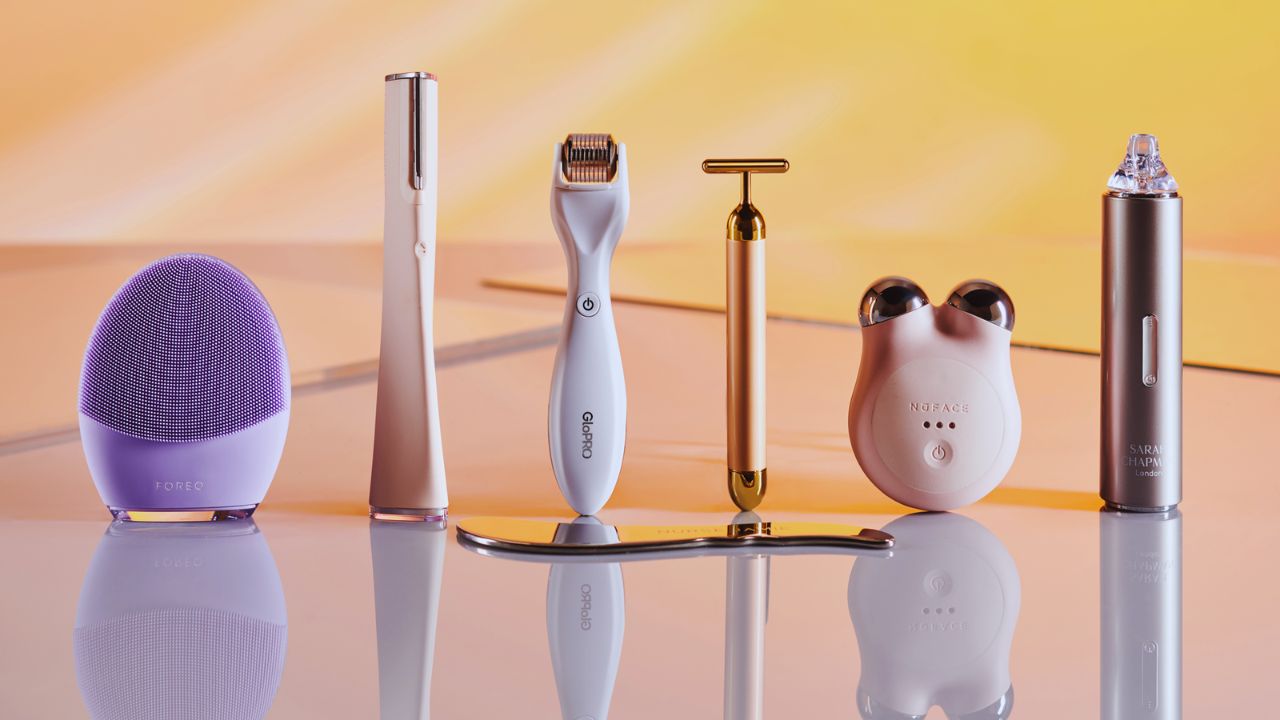
Storage and frequency change how quickly an item ages. A razor left in splashing water, a wet sponge sealed in a pouch, or a brush full of hair will wear out sooner. Combine visible condition with the feel of the tool, rather than relying on purchase dates alone.
When Hair Tools Begin to Pull
Brushes and combs should move through hair without scratching the scalp or tearing at the ends. Bent pins, missing tips, rough seams, and flattened cushions make detangling harder. If broken strands suddenly appear around the sink, check the bristle surface before you change your whole routine.
Remove shed hair regularly so you can see the brush base. Wash plastic or rubber styles with mild soap and air-dry them; keep wooden brushes dry. Replace the tool when bristle damage creates repeated snagging or when a cracked handle makes it unsafe to hold.
A Dull Blade Does Not Need to Look Old
A blade can be ready to replace even when it looks clean. Tugging, skipped patches, nicks, or a scratchy finish are better signals than the date you opened it. Cleveland Clinic advises changing standard razor blades after roughly five to seven uses, although skin sensitivity and hair thickness alter that practical timeline. Watch the way it glides.
Rinse the razor during use, dry it afterward, and store it outside the splash zone. Those steps reduce residue, but they cannot restore a dull edge. Replace it when you notice pulling or rust, rather than stretching its life because the head still appears mostly new.
The Soft Tools That Collect More Than Product
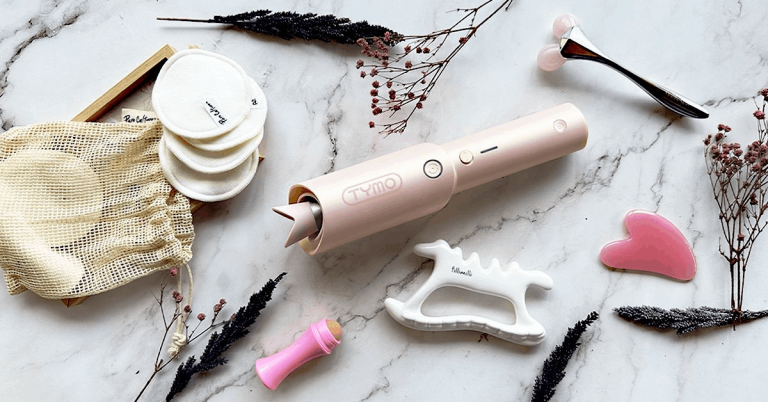
Makeup sponges, reusable pads, facial brush heads, and loofahs hold moisture, product, and skin cells inside their surface. Their problem is usually gradual rather than dramatic: texture changes, odor, and residue build slowly. Treat them as high-contact items that need regular inspection, not permanent accessories.
Cleaning lets you use these tools longer, but it has limits. A sponge that splits, stays stained, smells musty, or feels gummy after washing is ready to go. That is less wasteful than repeatedly trying to save something beyond cleaning, and it prevents guesswork and overbuying later. A damp storage spot often explains why a newly washed sponge starts smelling off again.
Also Read: Beauty Tools That Reduce Styling Time
Makeup Applicators and Heat Devices Need Different Checks
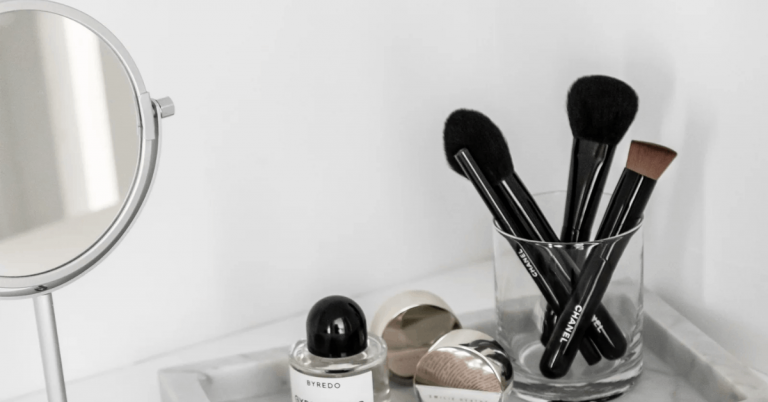
Foundation, sunscreen, skin oil, and powder collect where makeup bristles meet their metal base and inside sponge pores. The American Academy of Dermatology recommends cleaning makeup brushes every seven to ten days. That keeps your routine more hygienic and supports more even application, especially when breakouts are a concern.
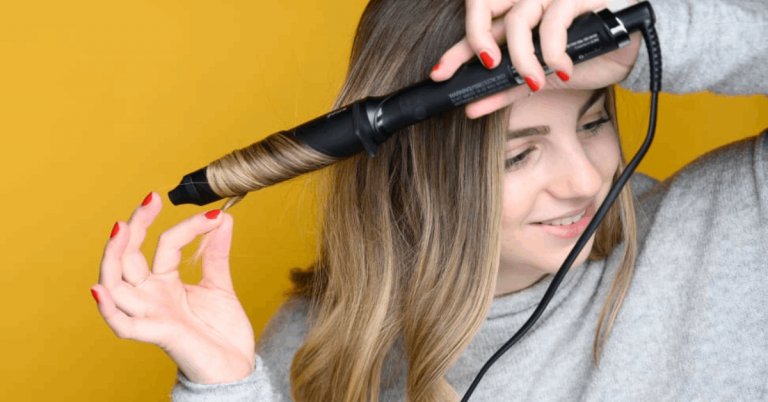
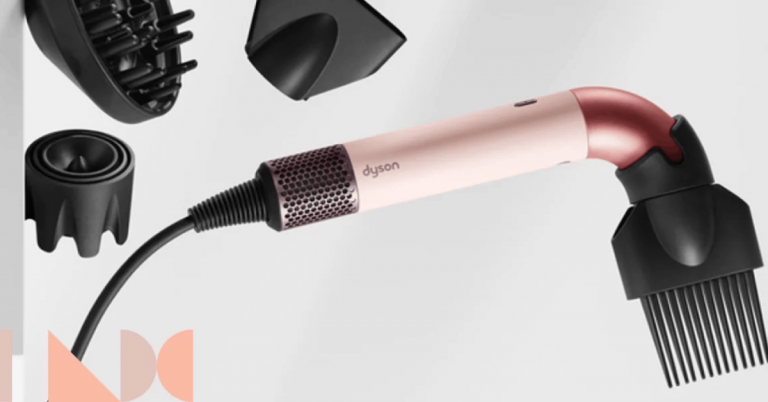
Heat tools need a different inspection. There is no universal retirement month for a dryer, straightener, curling wand, or hot brush. Stop using one that smells burnt, sparks, overheats, has a frayed cord, or gives inconsistent heat. These are electrical warning signs, not small quirks to ignore.
What Brand Details Can Tell You Before You Replace a Tool
Official product pages are useful when they explain the part that wears out and how the brand expects you to care for it. Philips Norelco OneBlade 360 Replacement Blade says its blade may last up to four months and includes a replacement indicator. That gives frequent trimmer users a visible reminder alongside clear care guidance.
For precision grooming, Tweezerman’s Classic Slant Tweezer highlights aligned, hand-filed tips. Read model details beside your own experience. If the ends no longer meet evenly, keep missing hairs, or pinch skin, tip alignment is gone and precision has been lost; replacement or repair makes sense.
Keep the Bathroom From Wearing Them Out
Bathrooms are convenient, but humidity wears on tools. Sponges, pads, brushes, razors, and metal grooming items should dry fully before returning to a pouch or drawer. Keeping them away from direct splashes reduces hidden moisture that leads to odor, rust, and residue.
Do not share razors, tweezers, lash curlers, or extraction tools, even in a family bathroom. A labeled pouch or divider keeps personal items separate and easy to inspect. That simple boundary supports basic hygiene and shows exactly whose tool needs cleaning or replacement.
A Five-Minute Reset Beats a Complicated Schedule
Choose one moment each week to check the tools you actually used. A weekly check prevents the problem of finding damage when you are already late. Keep the reset brief and realistic by linking it to towel laundry, wash day, or another existing habit.
- Remove hair from brushes and combs.
- Wash reusable pads and air-dry them.
- Check cords, blades, and bristles.
Look for cracked handles, loose hinges, bent pins, dull blades, split cables, and odors that return after cleaning. You are not trying to empty the bathroom drawer. You are catching early wear signals before they create discomfort or force unnecessary replacements.
Replace by Condition, Not by Panic
A replacement date should be a cue to check an item, not a reason to throw away something that remains clean, stable, and comfortable. Focus on the condition of the item: how it feels, how it performs, and whether it can still be cleaned and stored correctly. That approach saves money and frustration.
Start with the tool that feels questionable today. Clean it, inspect it, look at the manufacturer’s care notes, and then decide. That is how to replace beauty tools regularly without overbuying: keep what works, retire what does not, and make your routine safer and simpler. That small habit leaves your kit calmer, cleaner, and easier to manage through busy weeks.