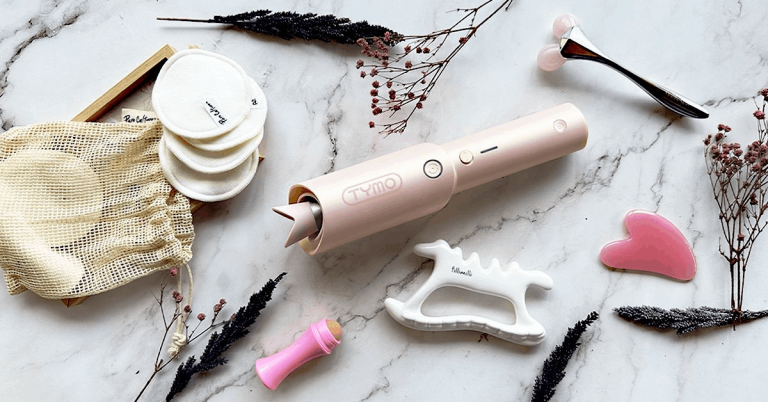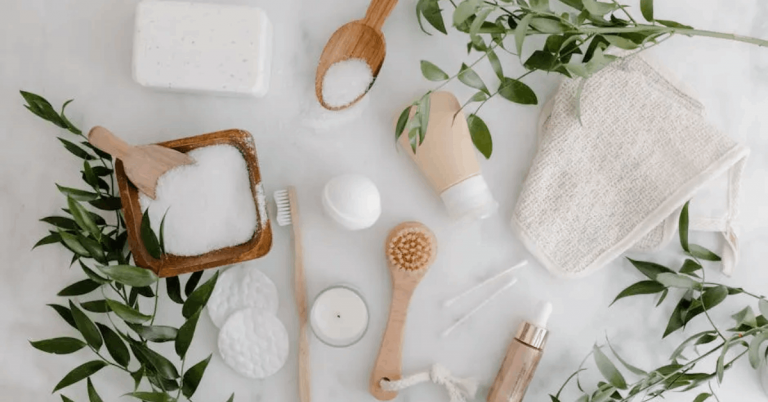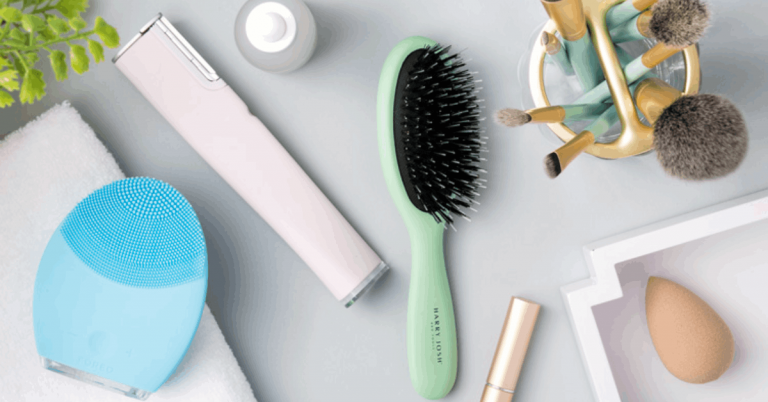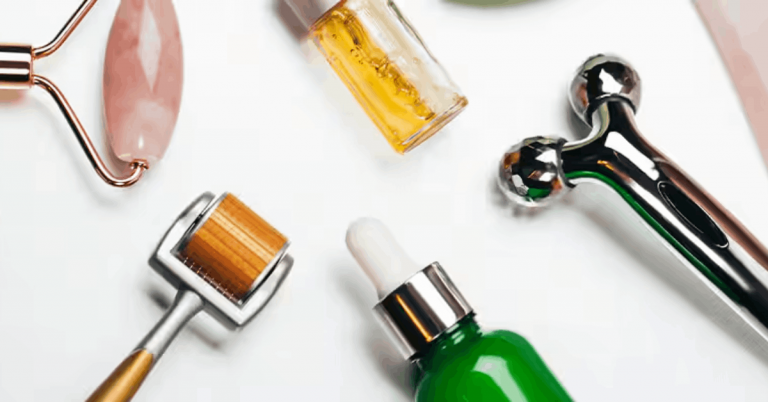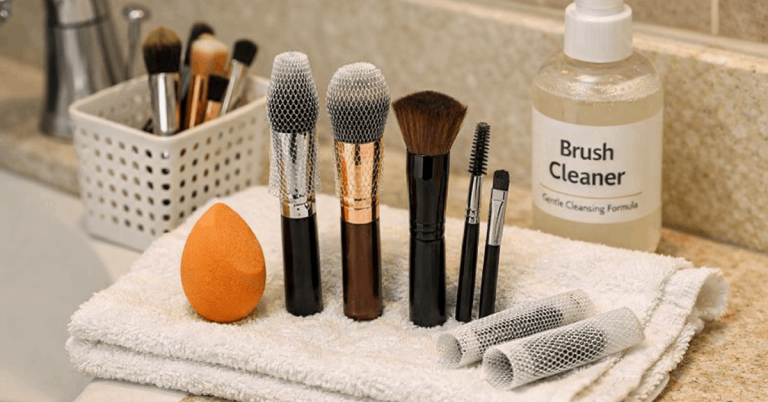
Taking care of your beauty tools isn’t optional; it’s part of your routine. Learning how to extend the life of beauty tools helps you maintain hygiene, save money, and improve results.
Most people don’t realize how often they damage tools through daily habits. This guide will give you everything you need to keep them working longer and better.
Why Proper Tool Care Makes a Difference?
It’s easy to focus on products and ignore the tools for applying them. But neglecting tool care creates bigger problems than most people realize.
Dirty Tools = Dirty Skin
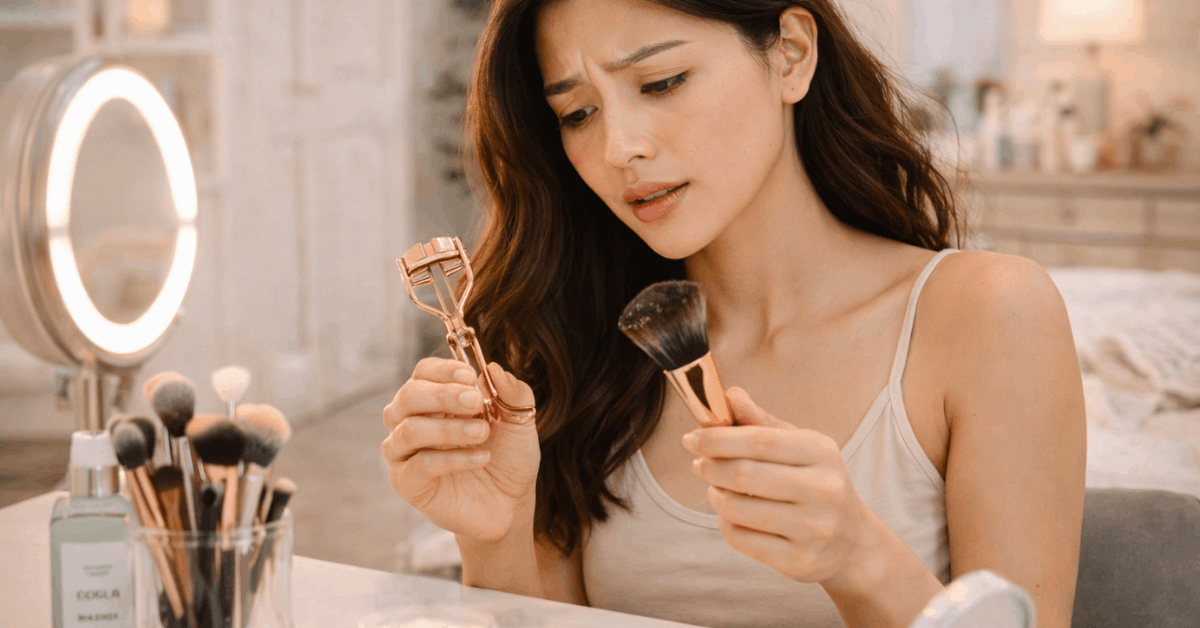
When tools collect bacteria, they transfer them directly to your skin. This leads to clogged pores, breakouts, and even infections. Even the best skincare won’t work if tools are contaminated. Clean tools prevent all of that.
Tool Damage Wastes Money
Uncared-for brushes lose bristles, and razors rust quickly. You’ll end up buying replacements faster than necessary.
Tool care extends their usable life and keeps performance consistent. A few minutes of maintenance saves cash long-term.
Poor Performance Impacts Results
Tools clogged with residue won’t apply product evenly. This affects both skincare absorption and makeup appearance.
You’ll waste time fixing uneven application. Clean tools give smoother, more predictable outcomes.
Bacteria Can Spread Across Products
Using a dirty tool contaminates your skincare or makeup jars. This shortens product shelf life and spreads bacteria.
One unclean brush can ruin your full skincare kit. Regular cleaning protects both tools and products.
Common Beauty Tools That Need Care
You probably use more tools daily than you realize. Each of them needs a different cleaning and storage method.
Hairbrushes
These collect oil, dust, and hair product buildup. Boar bristle and detangling brushes trap residue quickly.
If not cleaned, they spread dirt back into your hair. Rinse weekly and dry completely before storing.
Facial Cleansing Brushes and Silicone Pads
These tools collect old cleanser and dead skin cells. Build-up causes bacteria to grow quickly.
Use mild soap and warm water after each use. Store in a dry spot, not the shower.
Razors and Tweezers
These come in direct contact with sensitive skin. Dull razors and dirty tweezers lead to irritation and infection.
Clean with alcohol after each use and dry immediately. Store them in a clean case.
Gua Sha, Rollers, and Sponges
These tools absorb moisture easily. Never leave them damp or in humid spots.
Wash after each use and dry on a clean towel. Proper drying keeps them safe and longer-lasting.
Daily Habits That Keep Tools Clean
Start small. Daily habits protect your tools from long-term damage. Always remove residue, like stray hair or leftover product, after every use.
Wipe your tools with a soft, dry cloth or tissue. Never leave tools in wet or damp areas.
Instead, store them upright or on clean towels to dry completely. Keeping tools separate from each other also avoids cross-contamination and damage.
Deep Cleaning Routine You Should Follow Weekly
Quick wiping is good, but it’s not enough. You need to sanitize your tools on a schedule.
Hairbrushes should be washed with warm water and gentle shampoo, then fully air-dried. For facial tools, use mild soap or facial cleanser and rinse thoroughly.
Metal tools like tweezers can be wiped with alcohol after each use. Razors should be rinsed, dried, and stored outside the shower to avoid rust. Consistency is key; set a day each week for this.
Safe Cleaners vs. Damaging Products
Cleaners matter. The wrong one can damage the material or irritate your skin later.
Use mild soap, baby shampoo, or facial cleanser for most tools. Silicone brushes handle alcohol-free sprays best. For metal, a bit of rubbing alcohol or hydrogen peroxide is safe.
Don’t use harsh detergents, bleach, or strong alcohol on anything plastic, rubber, or silicone. Always check if your product is labeled “tool-safe” or made for skin-contact items.
Tools You’re Probably Storing Wrong
Storing tools carelessly leads to faster breakdowns. Avoid these storage mistakes to keep your tools in top shape.
Storing Tools in Humid Spaces
Bathrooms are often too damp for safe storage. Moisture builds up quickly and causes mold, rust, or mildew.
Keep tools in a dry drawer or cabinet with airflow. Humid spots shorten tool lifespan fast.
Direct Sunlight and High Heat
Leaving tools near windows or heaters leads to warping. Heat damages adhesives, plastic handles, and tool cases.
Store everything in shaded or cool storage. Exposure to sun causes wear you can’t reverse.
Keeping Tools in Bags Without Covers
Tossing tools into makeup bags spreads bacteria. Even zipped bags collect dust and product residue.
Use protective pouches or tool wraps to avoid contamination. Covered storage helps preserve tool surfaces.
Leaving Tools in the Shower or Sink Area
Water exposure weakens brushes and dulls razors. Tools kept near the sink collect splashback and bacteria.
Always move them to a clean, dry spot. It prevents early damage and keeps hygiene intact.
Signs It’s Time to Replace Your Tools
Even with good habits, your tools won’t last forever. Knowing when to replace them prevents skin issues and poor performance.
Hairbrush Damage to Watch For
Bent or missing bristles mean your brush is no longer effective. It won’t glide through hair properly or distribute oils evenly.
A damaged brush may also pull hair or irritate the scalp. Replace it as soon as you notice broken bristles.
Facial Brush Warning Signs
If your facial cleansing brush smells or feels slimy, bacteria have built up. That can lead to breakouts or skin irritation.
Soft bristles should stay firm and clean. If not, it’s time to replace them.
Razor Blade Condition
Rust, dull edges, or uneven shaving are red flags. A rusty blade can cause cuts or infections.
Dull razors pull at the skin and leave uneven results. Swap blades before they show visible wear.
Metal Tool Wear and Tear
Tweezers or scissors that no longer grip properly are useless. Corrosion or pitting signals it’s unsafe for skin use.
Once a tool starts to slip or look discolored, toss it. Replace with a clean, sharp version.

How to Make Your Tools Last Even Longer?
You can extend the life of beauty tools with just a few habit changes. These tips reduce wear and help tools stay effective.
Avoid Moisture and Product Buildup
Tools exposed to water and product stay damp longer. This weakens materials and encourages bacterial growth.
Dry tools after every use with a clean cloth. Store them only after they’re completely dry.
Never Share Your Tools
Sharing tools spreads oils and bacteria. What works on one person’s skin might irritate another’s.
Always keep your personal tools separate. Label yours if you live with others.
Label and Track Your Tools
Write the month on each tool using waterproof stickers or markers. It helps track cleaning and replacement.
You’ll know exactly how long you’ve used it. This habit prevents long-term buildup or surprise damage.
Rotate When You Own Multiple Sets
If you own more than one of the same tool, alternate usage. This gives each tool more rest between uses.
It also evens out wear across your collection. Tools last longer when not used every single day.
Mistakes That Ruin Tools Faster
Most damage comes from small things you might overlook. Here’s what to avoid.
Using too much pressure on brushes or tools wears them down fast. Letting tools sit in water or makeup bags for hours leads to material breakdown.
Cleaning with bleach or abrasive sponges scratches and weakens the surface. Many people also ignore drying completely, which invites bacteria. Be gentle, clean often, and store smart.
Insights From Skincare Professionals
Pros clean tools more often than you think. Their habits are worth copying.
Clean Tools Weekly or More for Acne-Prone Skin
Bacteria buildup worsens skin conditions. Tools should be cleaned more often if you’re breakout-prone.
Use Only Tool-Safe Cleansers
Harsh cleansers disrupt your skin barrier. Dermatologists recommend sticking to pH-balanced soaps or alcohol-free options.
Tool Hygiene Affects Product Absorption
Dirty tools block skincare absorption. Estheticians clean tools between each use to ensure the product reaches your skin properly.
Products That Help You Maintain Tools
There are affordable accessories that keep your tools clean and organized. These improve results and extend life.
- Brush cleaning pads help remove oil and makeup fast
- Alcohol wipes sanitize tools on the go without overdoing it
- Mesh drying pouches prevent mold after cleaning
- Label stickers or markers help track clean dates
- Compact tool organizers keep everything separated
Buying the right tool care items isn’t expensive, but skipping them shortens your tool’s usefulness. Just a few simple upgrades to your routine are all it takes.
Your Tools Deserve Better: Make It a Habit
Caring for your beauty tools isn’t complicated; it’s a smart habit. Knowing how to extend the life of beauty tools lets you maintain hygiene, save money, and get the best skin results.
A clean tool supports clean skin, and small changes make a big difference. Build this into your routine once and let it pay off every day.