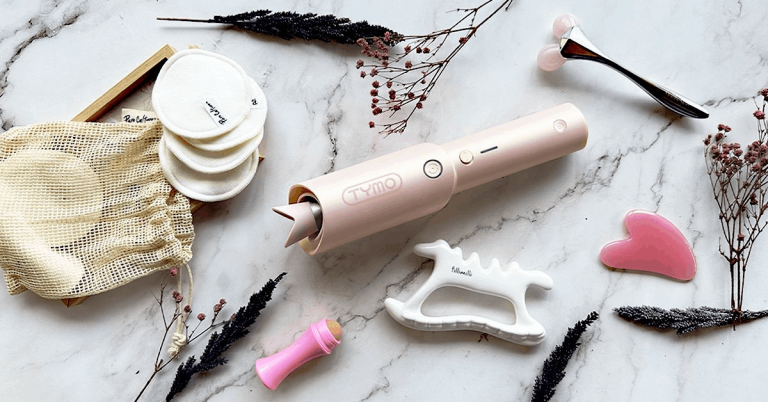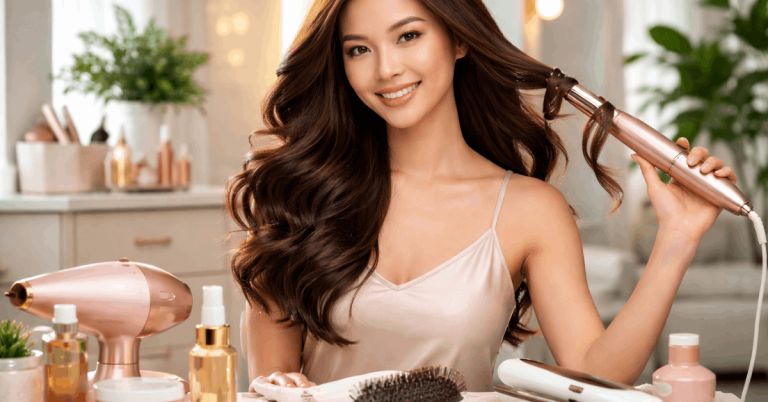
Personal care becomes easier when you understand the tools you use every day. This beginner’s guide to everyday beauty tools explains what matters without overcomplicating your routine.
Many people feel overwhelmed by choices and trends. The truth is that results come from simple habits and proper use.
Beauty tools should support comfort and efficiency. When tools work with your routine, maintenance feels natural. This article focuses on clarity and consistency. It is designed to help you make confident, practical decisions.
What Defines an Everyday Beauty Tool
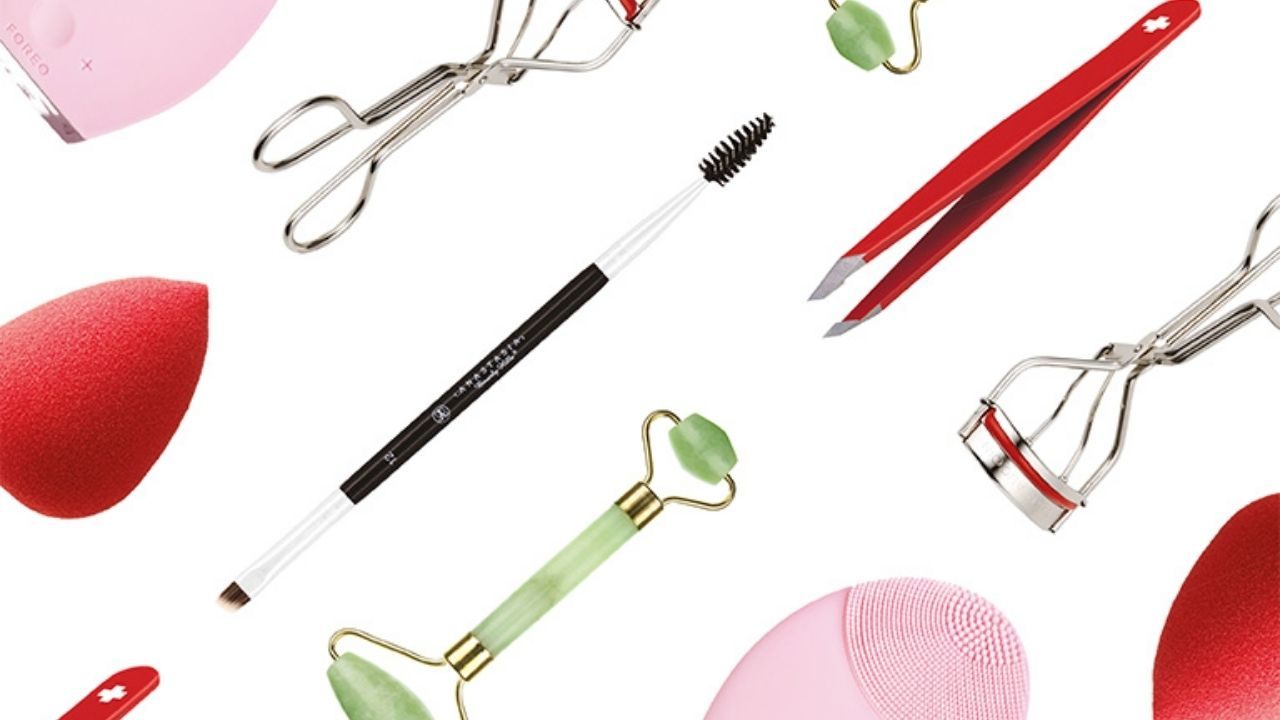
Everyday beauty tools are items you use consistently without preparation or hesitation. These tools support daily comfort rather than occasional styling goals.
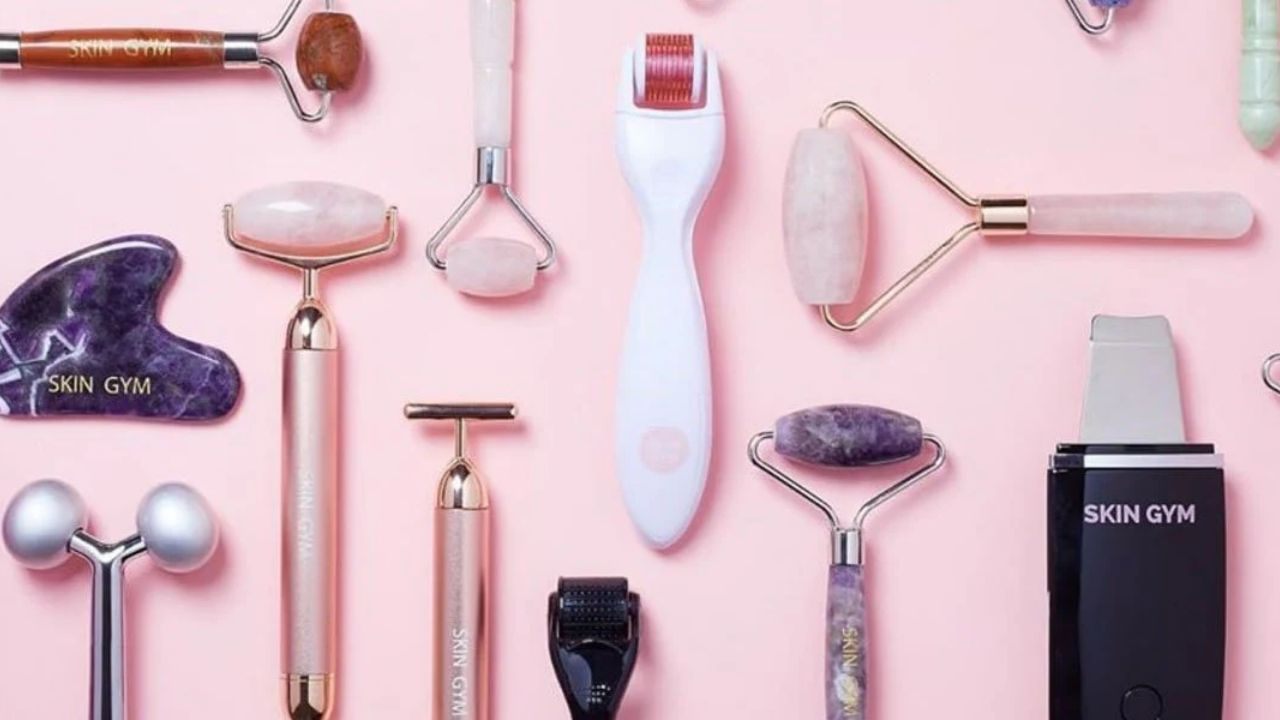
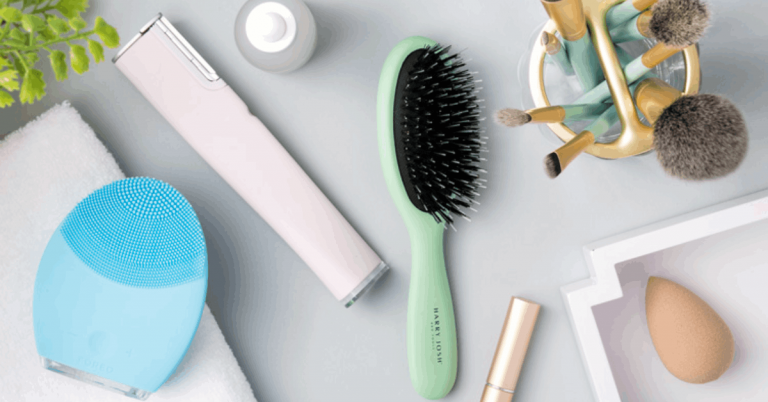
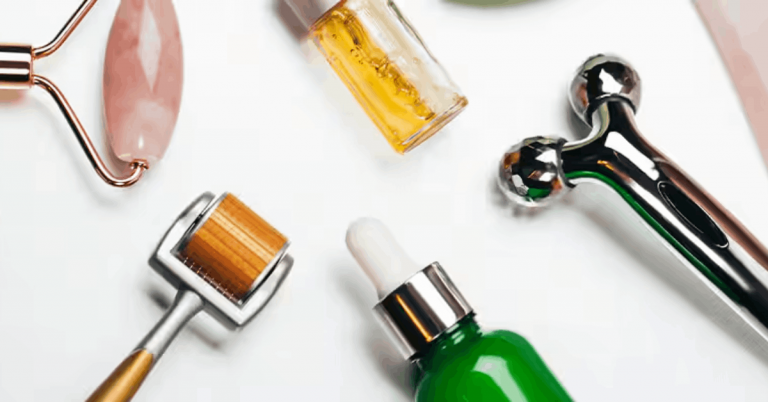
They should be easy to clean, store, and handle without causing strain. Hair brushes, basic grooming aids, and gentle skincare tools fit this category.
When tools require special setup, they often get skipped. The goal is reliability, not complexity. Everyday tools should simplify your routine instead of adding extra steps.
Daily Essentials Versus Occasional Tools
Daily essentials are designed for frequent contact with hair and skin. Occasional tools serve specific purposes and usually demand more time or attention.
A brush meant for daily detangling differs from a styling device used once a week. Using occasional tools too often can increase wear or irritation.
Beginners benefit from separating these categories early. This distinction keeps routines manageable and prevents misuse. When you know which tools belong to daily care, consistency becomes easier.
Choosing Tools Based on Comfort and Use
Comfort should guide every tool decision. Tools that feel harsh often cause long term issues. Hair type, scalp sensitivity, and grip comfort all matter. A brush should glide smoothly without pulling.
Skincare tools should not scratch or leave redness. If a tool causes discomfort, it will eventually be avoided. Practical beauty focuses on ease, not endurance. Choosing tools that feel natural helps build habits that last.
Building a Small Tool Set You Will Actually Use
A beginner routine works best with a limited number of dependable tools. A small collection encourages consistency and simplifies maintenance.
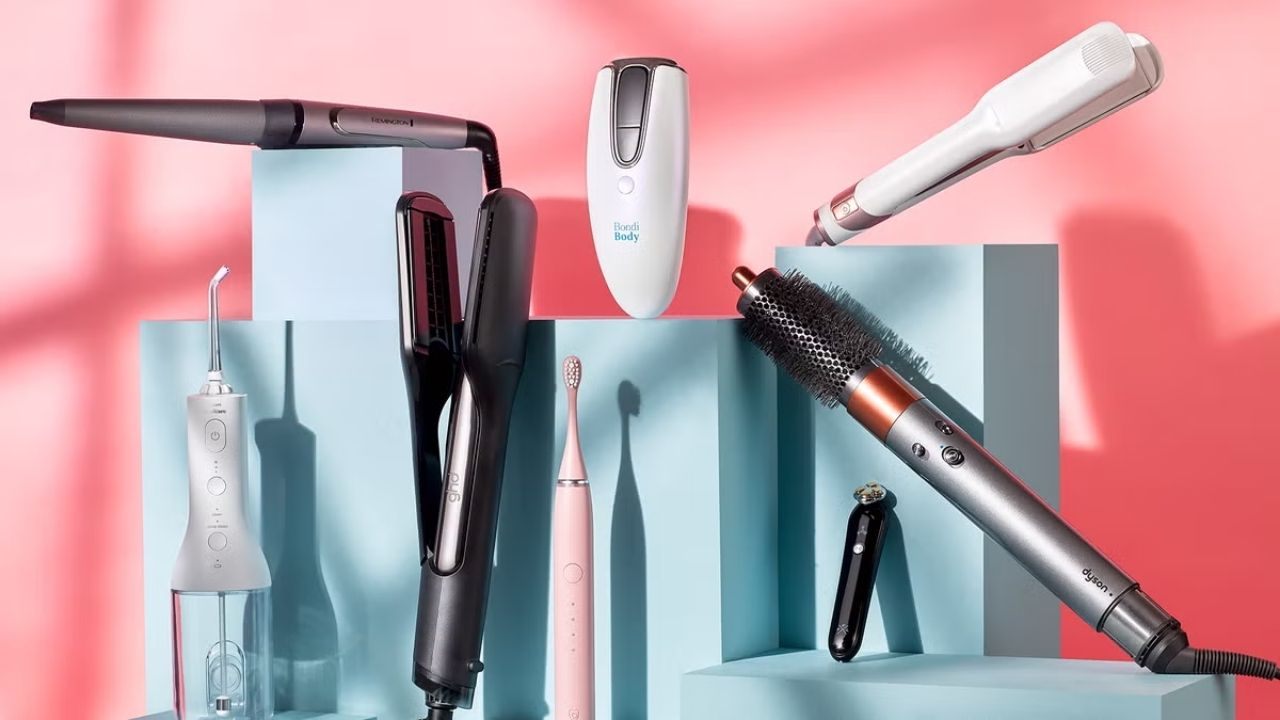
When tools are few, each one gets proper care. Focus on items that serve daily needs rather than occasional styling.
This approach reduces clutter and decision fatigue. A simple set also makes it easier to identify what truly works. Over time, this clarity improves results without extra effort.
A Versatile Brush for Daily Hair Care
A cushioned paddle brush works well for most hair types. Its wide surface distributes pressure evenly during brushing. This reduces breakage and scalp stress. Use gentle strokes starting from the ends and moving upward.
Clean the brush weekly to remove oil and debris. Store it in a dry, open area. Consistent use of one reliable brush improves texture and manageability.
A Gentle Skincare Tool for Daily Cleansing
A soft silicone facial cleansing pad supports daily skincare routines. Silicone resists buildup and dries quickly after use. Apply light pressure with circular motions. Rinse thoroughly and shake off excess water.
This tool is easy to sanitize and lasts longer than fabric alternatives. It suits sensitive skin and minimal routines. Daily use improves cleansing without irritation.
Sectioning Tools That Improve Control
A sectioning comb helps manage hair during brushing or styling. Clear parting reduces repeated strain on the same areas. Use it to divide hair into manageable sections. This improves efficiency and precision.
Choose a comb with smooth teeth to avoid snagging. Clean it regularly to prevent residue buildup. Proper sectioning shortens routine time and improves results.
Using Tools with Techniques That Protect Hair and Skin
Technique determines how tools affect your appearance over time. Correct handling preserves condition and reduces unnecessary damage.
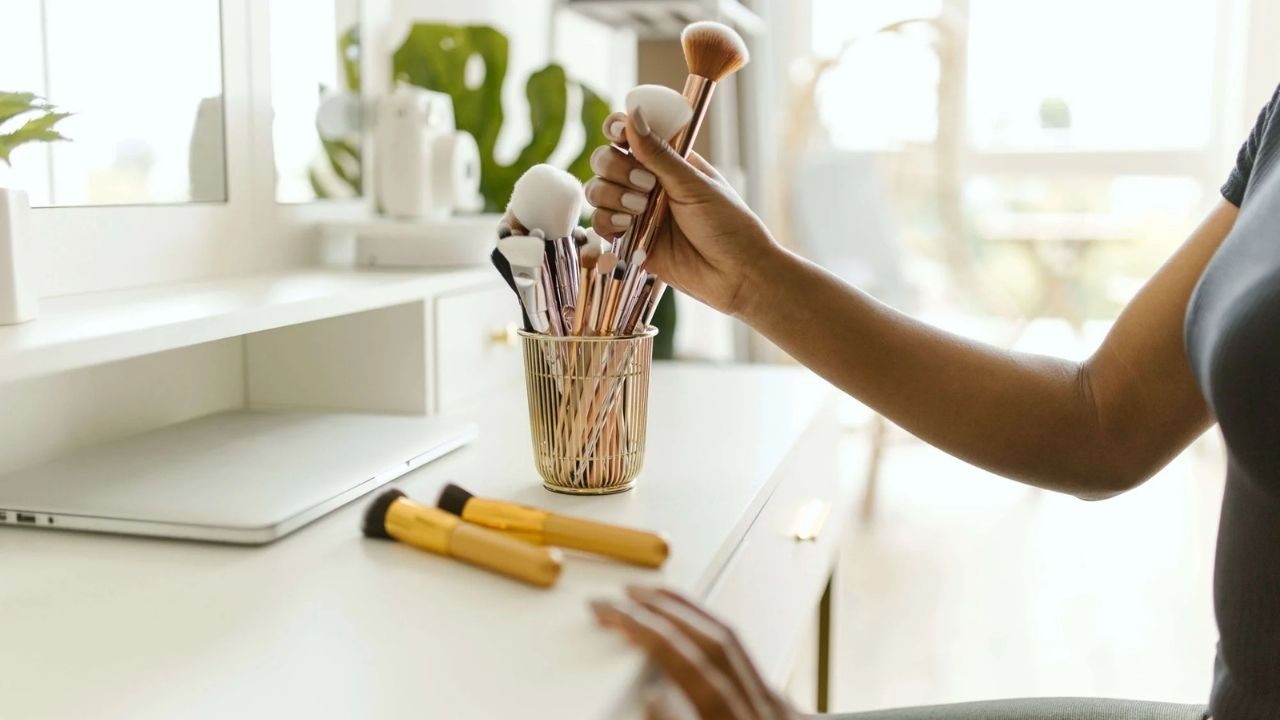
Rushing often causes pulling, friction, and irritation. Slower, controlled movements improve outcomes. Technique also influences how products perform.
When tools are used properly, fewer corrections are needed. This saves time and protects long term health.
Reducing Friction and Overuse
Friction builds when the same area is worked repeatedly. Small sections limit stress and improve control. Always adjust your angle rather than forcing movement. On skin, avoid harsh rubbing and focus on gentle contact.
Clean tools glide better and reduce drag. If resistance appears, stop and reassess. Awareness during use prevents cumulative damage.
Managing Heat with Care
Heat tools require restraint and planning. Lower temperatures reduce damage while still shaping hair. Ensure hair is fully dry before applying heat. Move tools continuously instead of holding them in place.
Clean surfaces monthly to remove residue. Heat should refine style, not compensate for poor technique. Thoughtful use keeps hair smooth and resilient.
Heatless Styling Options for Beginners
Heatless foam rollers provide styling without thermal stress. They create shape gently over time. Use them on nearly dry hair for best results. Secure rollers without pulling tightly. Allow sufficient setting time before removal.
This method suits beginners who want volume safely. It supports styling goals while protecting hair health.
Maintaining Tools for Longevity and Hygiene
Tool maintenance directly affects performance and comfort. Clean tools function better and feel safer on skin and hair.
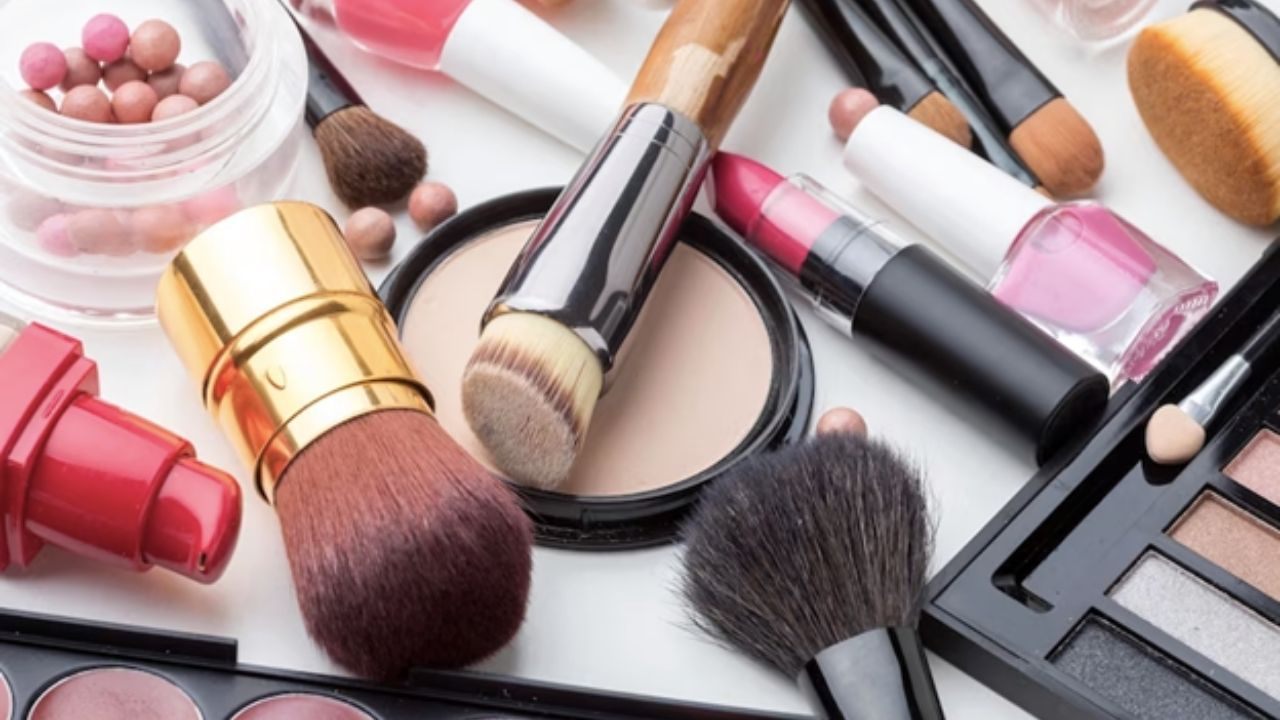
Neglect allows buildup that alters texture and grip. Weekly cleaning prevents residue from accumulating. Monthly inspections catch wear early.
Maintenance also extends lifespan and reduces replacement costs. Simple habits keep routines dependable.
Weekly Cleaning Practices
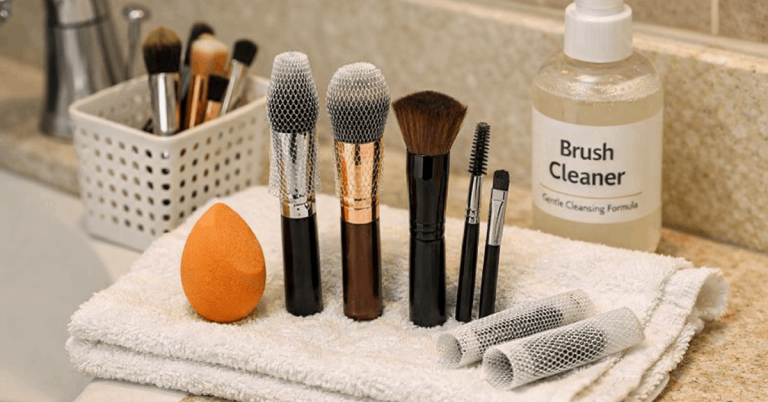
Weekly care should address tools used daily. Regular washing removes residue that affects performance. Use mild soap and warm water for brushes and combs. Rinse thoroughly and air dry completely.
Avoid sealed storage while tools are damp. Consistent cleaning prevents odor and buildup. This routine keeps tools ready for use.
Storage and Drying Habits
Storage influences how clean tools remain. Ventilated spaces reduce moisture and prevent mildew. Keep tools separated by function. Avoid stacking items tightly. Wipe drawers or holders regularly.
If your bathroom is humid, store key tools elsewhere. Proper storage protects the effort you put into cleaning.
Tracking Maintenance and Replacement Timing
Tracking maintenance schedules improves consistency. Visual reminders support follow through in busy routines. Logging when tools are cleaned or replaced reduces guesswork.
Alerts help prevent overuse of worn items. This habit keeps performance stable over time. Simple tracking reinforces routine discipline. Maintenance becomes proactive rather than reactive.
Conclusion
Consistency defines successful personal care routines. This beginner’s guide to everyday beauty tools emphasizes clarity over excess. Simple tools used correctly produce reliable results.
Maintenance habits protect comfort and performance. A structured routine removes uncertainty. When tools feel easy to use, habits stick. Over time, confidence grows naturally. Practical beauty thrives on repetition and care.