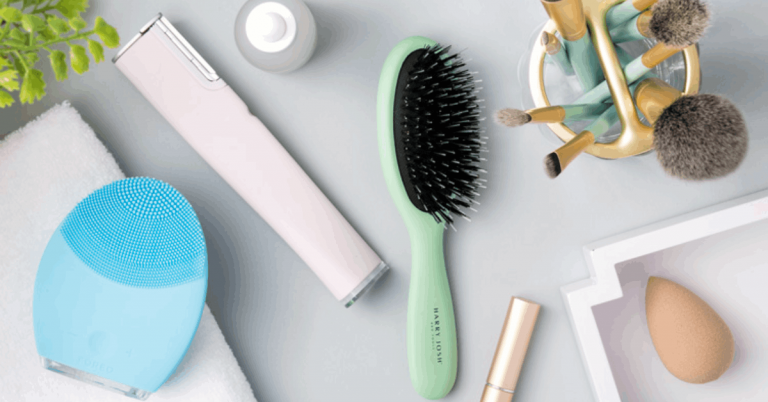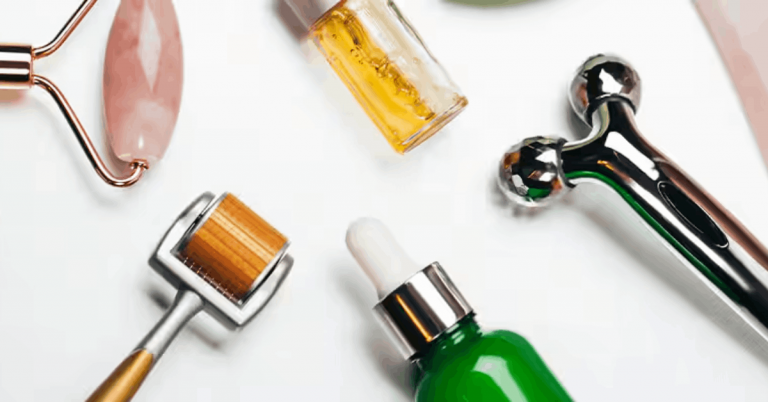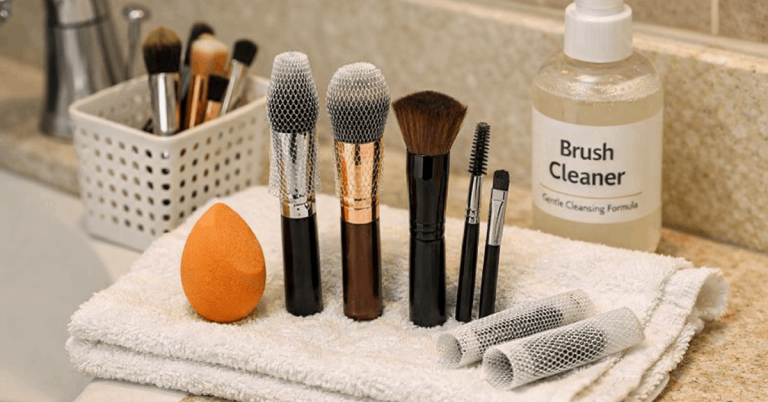
Every day, personal care looks easier when your tools behave. If you are learning how to clean and maintain beauty tools, start with habits that match your routine. Dirty brushes, sponges, rollers, and hair tools can drag on skin and hair.
They also hold product buildup that changes results over time. The good news is you do not need complex steps. You just need a simple system that stays consistent. This guide breaks it into three methods you can repeat weekly.
Why Tool Hygiene Affects Results and Skin Comfort
Clean tools give you predictable results and fewer surprises. Product buildup changes performance even when the tool still looks fine.
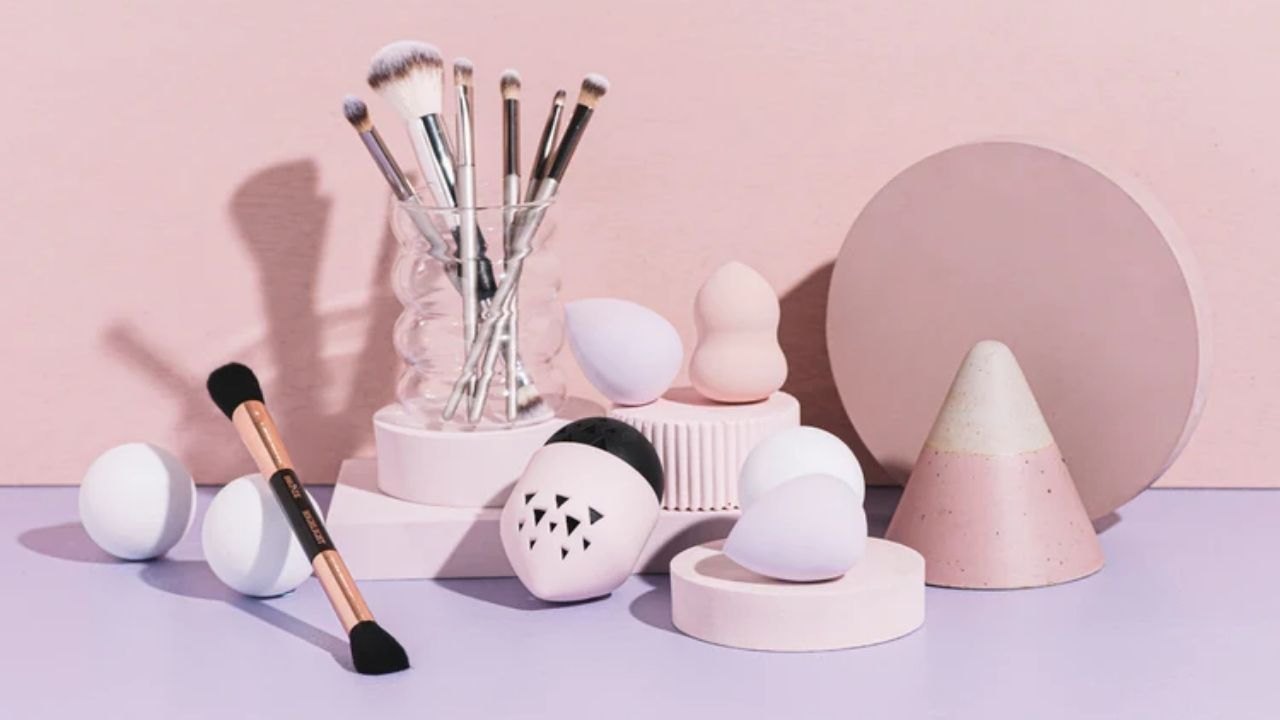
A brush can spread old oils back into clean hair, and a sponge can hold residue that never fully rinses out.
Over time, that can make makeup sit unevenly and hair feel heavier. Hygiene also helps keep tools from smelling stale. When you treat tool care like basic maintenance, your routine stays easier.
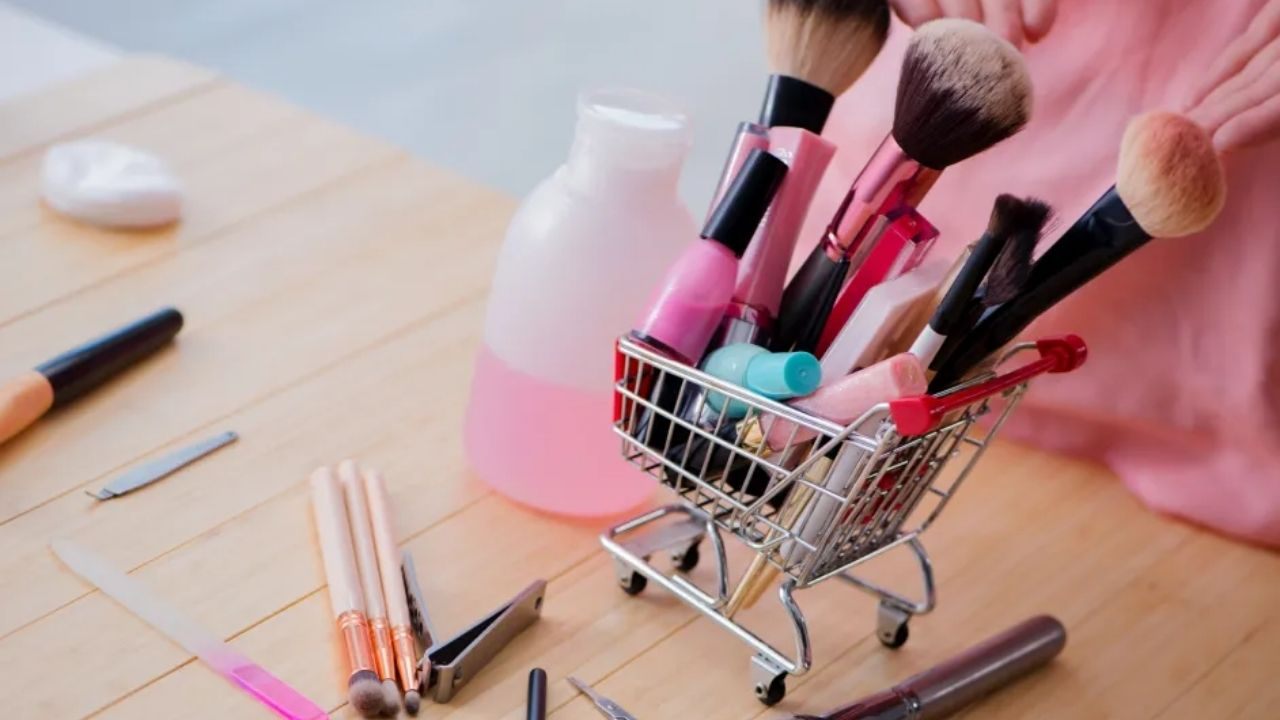
What Buildup Does To Bristles, Plates, And Rollers
Residue sticks to the parts that touch your hair and skin most. Bristles trap oil and lint and then press it back into your scalp. Rollers and gua sha tools collect film that makes them glide poorly.
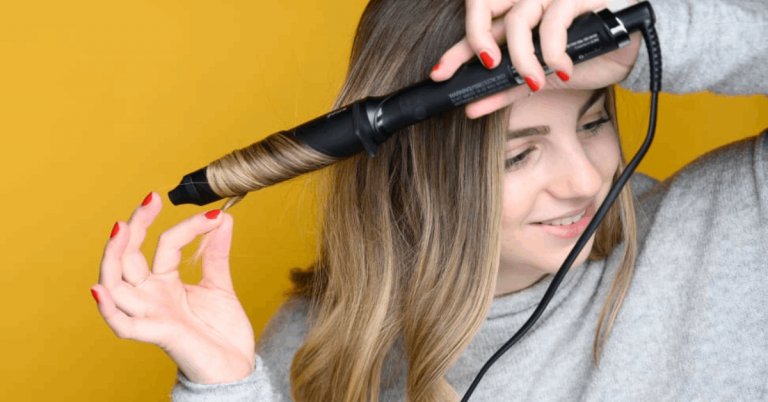
Heated tools can develop a coating that reduces smoothness and pulls at strands. Even a clean-looking surface can hide a thin layer of product. If you want consistent results, you have to remove that layer regularly.
Early Signs You Need To Clean Sooner
Your tools usually warn you before they fail. When a brush starts tugging, it may be clogged with hair and dust. If a sponge feels stiff or has a cloudy rinse, soap is stuck inside.
Rollers that squeak or drag often have film buildup. Heated tools that smell “burnt product” need a dry, safe wipe-down. The clearest sign is performance changing, even with the same routine.
A Simple Schedule That Keeps You Consistent
You do not need a complicated calendar. Daily care is the quick removal of visible debris and surface residue. Weekly care is a deeper wash for tools that touch the product directly.
Monthly care includes inspection, replacement checks, and maintenance of heated devices. If you keep it simple, it becomes automatic. The goal is fewer resets and less frustration, not perfection every day.
Dry Cleanup After Every Use
This method is your first line of defense. A quick dry reset stops buildup from hardening and saves time later.
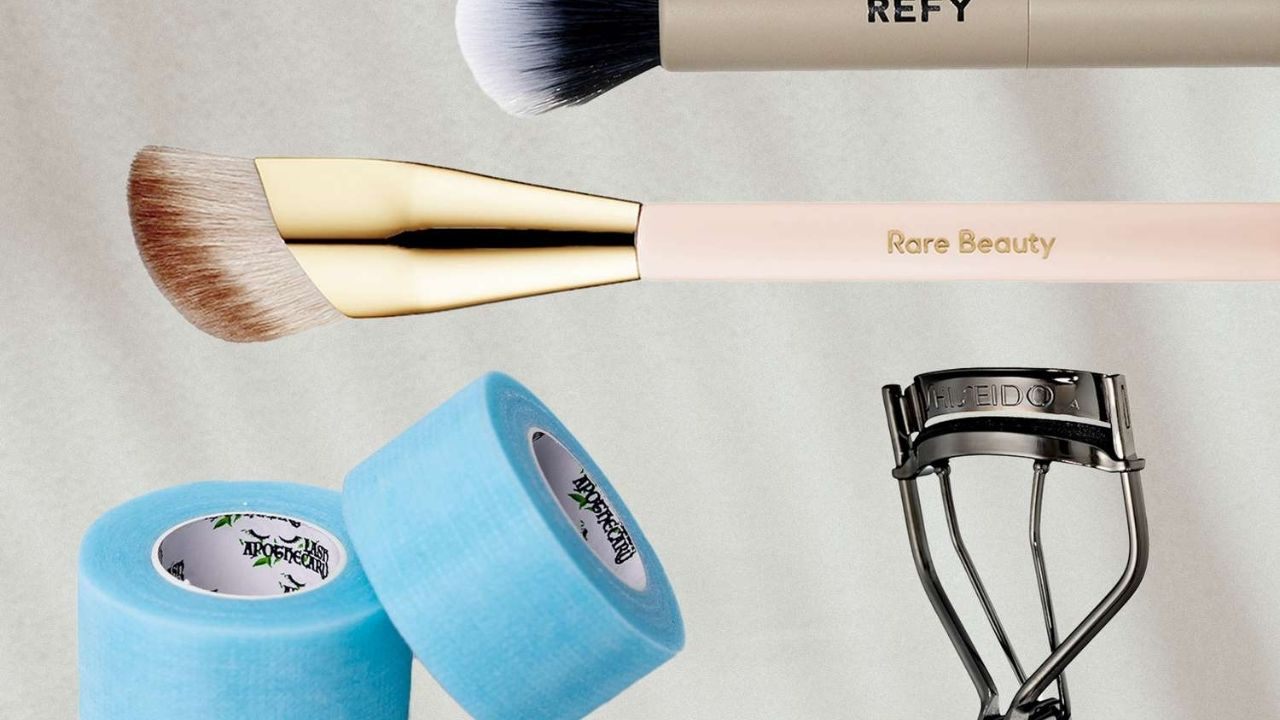
It works best for hairbrushes, combs, and tools that collect loose hair and powder. It also helps sponges and puffs when you cannot wash immediately.
The key is doing it right after use, not “later tonight.” When this step is consistent, weekly cleaning gets easier.
Hairbrushes And Combs: Remove Hair First, Then Dust
Start by pulling out trapped hair with your fingers or a pick. Use a tissue to wipe away surface dust and visible product flakes. If you use styling sprays or dry shampoo, do a second wipe on the base.
Keep the brush dry during this step so you do not create damp buildup. Store it with the bristles down so dust does not settle back in. This is simple, but it prevents most brush problems.
Makeup Sponges And Puffs: Surface Reset Without Soaking
Press the sponge on a clean towel to remove product first. Then wipe the outside with a slightly damp cloth and mild soap.
Do not fully soak it if you cannot dry it properly. If it stays wet inside, it can hold odor and residue. Let it air out in an open space, not a sealed bag. This keeps the texture usable and reduces grime between washes.
A Silicone Brush Cleaning Mat
A silicone brush cleaning mat makes this method faster. Textured grooves lift debris from brush bristles with less effort. You can run the brush lightly across the mat while it is dry.
For makeup brushes, you can use them with minimal soap later. The mat also helps you see what came off the brush, which is a helpful reality check. Keep the mat near your sink so it stays convenient, not hidden in a drawer.
Weekly Deep Clean With Gentle Wash And Full Dry
Weekly cleaning is where tools actually reset. Gentle washing protects materials while removing the film that dry cleanup cannot touch.
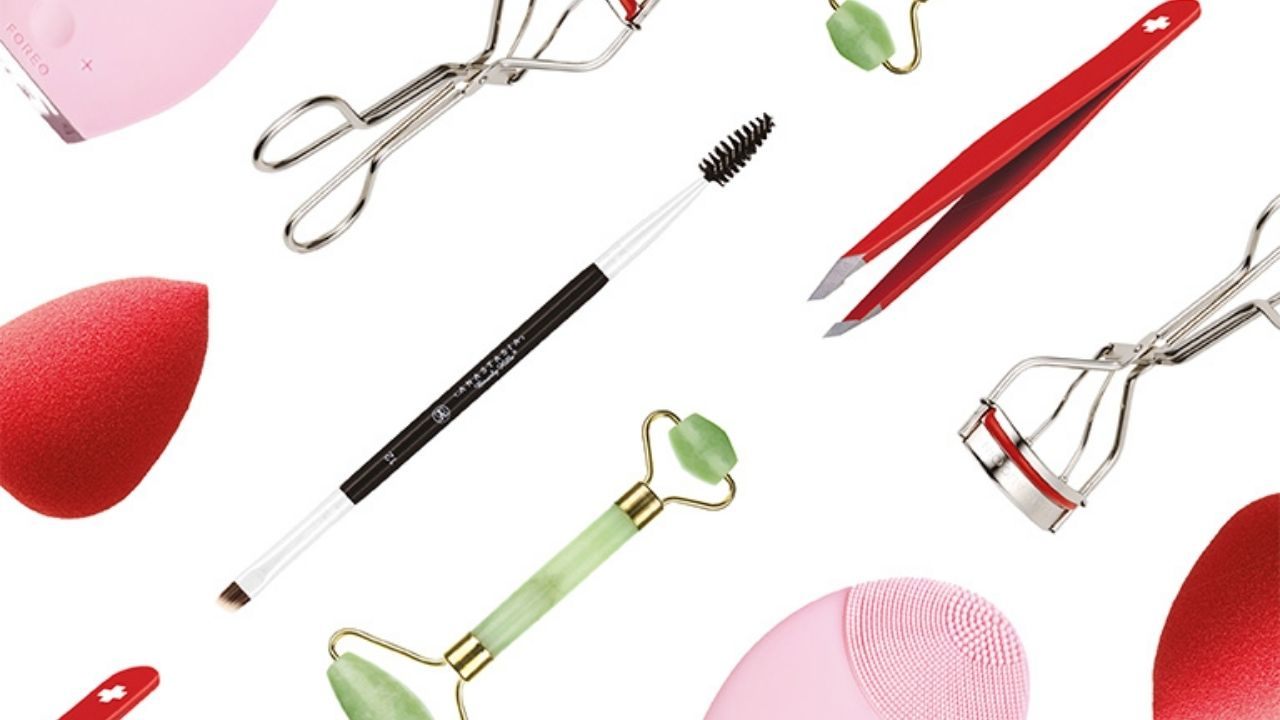
This method fits brushes, combs, sponges, and some skincare tools that tolerate water. The most important part is drying fully, because damp tools can hold odor and bacteria.
You do not need fancy products, but you do need careful steps. Treat this like laundry for your tools.
Choose A Safe Cleanser And Avoid Harsh Shortcuts
Use a mild soap or gentle shampoo for most brushes and sponges. Avoid strong cleaners that leave residue or break down adhesives. Warm water is fine, but do not use very hot water on glued parts.
If the brush has a cushioned base, keep water exposure controlled. Rinse until the water runs clear and feels slick-free. The goal is clean without damage, not harsh stripping.
Wash Hairbrushes Without Ruining The Base
If your hairbrush has a rubber cushion, do not soak it. Wet the bristles, work soap through them, and rinse carefully. Use your fingers to scrub between bristle rows where lint hides.
Shake out water, then press bristles onto a towel to pull moisture out. Let it dry with bristles down with airflow around it. A brush that dries slowly is more likely to smell, even after washing.
Deep Clean Sponges So They Rinse Fully
Wet the sponge, apply soap, and squeeze slowly to push product out. Do not twist hard because it can tear the material. Keep rinsing until the water is clear and no soap bubbles appear.
Press it into a towel to remove water, then let it air dry in a ventilated area. If it still smells after drying, it likely needs replacement. Clean sponges feel soft again, not rubbery or slick.
A UV Sanitizing Case For Small Tools
A UV sanitizing case is useful for small, non-porous items. It adds a hygiene step for tweezers, nail tools, and eyelash curlers after you clean them. You still need to remove residue first, because UV is not a substitute for washing.
Think of it as a finishing step that supports your weekly reset. Use it for tools that touch skin closely and get stored together. It is also helpful for travel, when space is tight.
Monthly Maintenance And Replacement Checks
Monthly maintenance keeps tools safe and working as intended. Inspection prevents hidden problems like worn bristles, cracked rollers, and damaged cords.
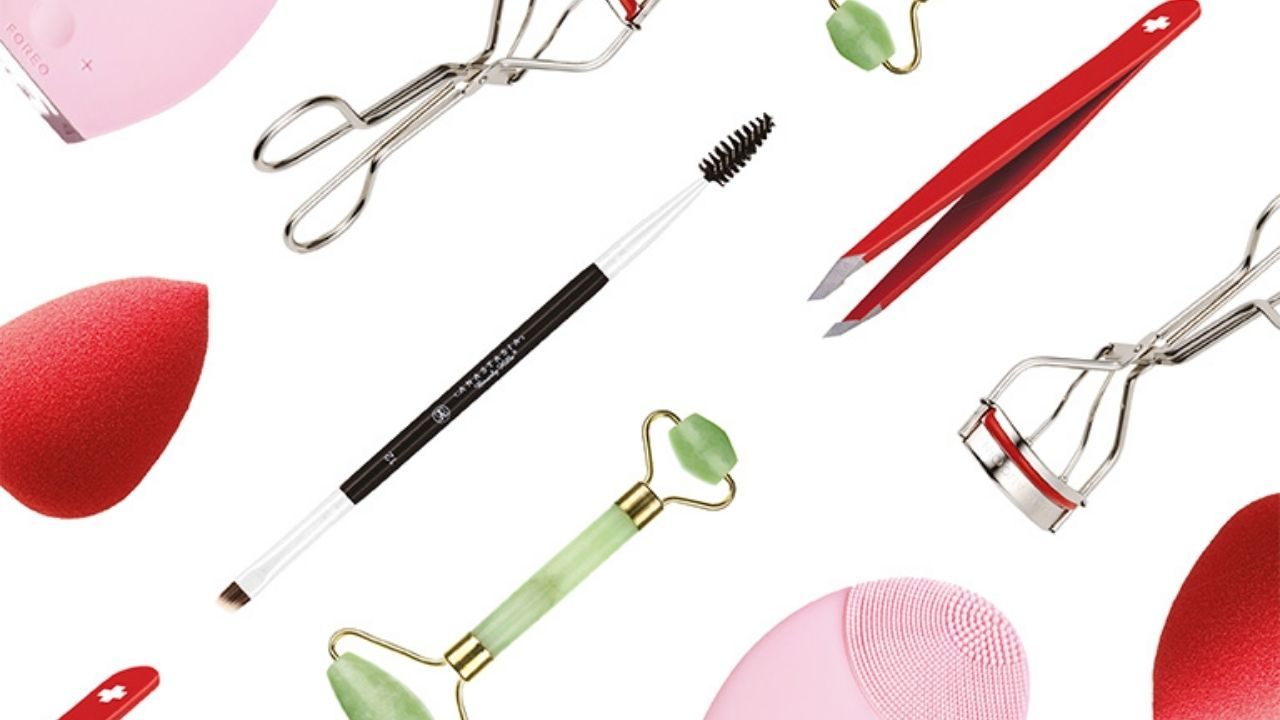
Even clean tools can irritate skin if edges are rough or surfaces are scratched. This is also when you clean parts that are easy to ignore, like blow dryer filters.
Set a regular date so it does not slip. You are aiming for fewer bad hair days and fewer surprise replacements.
Check Brushes For Wear That Changes Performance
Look for bristles that are bent, missing, or sharp at the tips. If the brush cushion is loose or warped, it will not distribute tension evenly. A brush that sheds bristles into your hair is done, even if it looks clean.
For combs, check for tiny cracks that snag strands. When tools start to snag, they can increase breakage over time. Smooth contact matters more than most people realize.
Maintain Heated Hair Tools Without Water Exposure
Unplug the tool and let it cool completely. Wipe the surface with a slightly damp cloth, then dry it right away. For stubborn residue, use a small amount of rubbing alcohol on a cloth, avoiding drips.
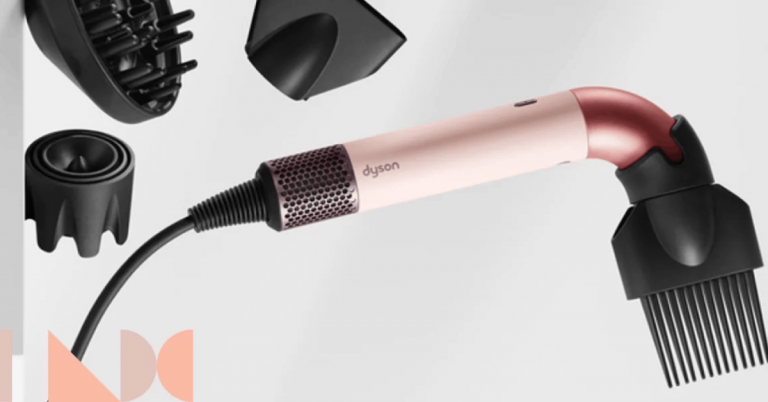
Check the cord for bends, frays, and loose connections near the base. Clean attachments like diffusers separately and dry them fully. A well-maintained tool heats more evenly and feels safer to use, especially when you are rushing.
Tody For Reminders That Stick
Tody helps you set simple cleaning reminders without overthinking it. A recurring schedule reduces misses because you do not rely on memory. You can set weekly wash tasks and monthly inspection tasks with alerts.
That matters when your routine gets busy, and your tools quietly get worse. Keeping a routine visible also helps you avoid last-minute deep cleans. A reminder app is not a luxury if it prevents tool damage, it is practical maintenance support.
Storage And Travel Habits That Keep Tools Clean Longer
Storage is where many clean tools get dirty again. Good storage prevents recontamination from dust, bathroom humidity, and product leaks.
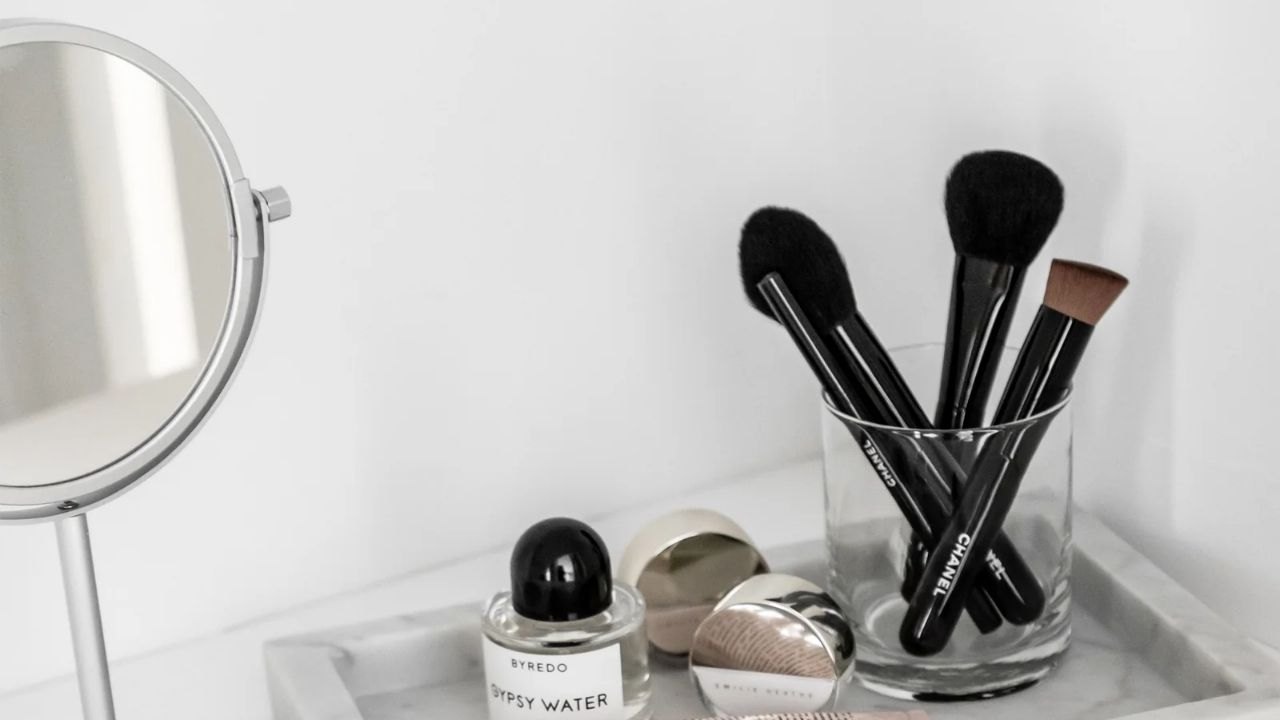
You do not need a huge organizer, but you do need airflow and separation. Tools that stay damp or packed tightly collect odor faster.
Your goal is to keep clean tools clean between uses. Once storage is stable, the cleaning cycle becomes easier.
Keep Tools Dry, Ventilated, And Separated
Do not store wet tools in closed drawers or zipped bags. Use a holder that keeps bristles from pressing against surfaces. If your bathroom gets humid, store tools in a drier area when possible.
Separate hair tools from skincare tools so product residues do not mix. Wipe containers regularly because dust builds up inside them, too. This is a small step, but it protects your effort after cleaning.
Travel Without Crushing Or Contaminating Tools
Pack brushes in breathable sleeves or mesh pouches. Keep sponges in ventilated containers, not sealed plastic. Place heated tools in a heat-safe sleeve only after they cool fully.
Do not let liquids share a pouch with brushes, because leaks undo your cleaning. If you travel often, bring a small cloth to do quick wipes. Smart travel packing means you start your routine clean, not already fixing a mess.
Quick Reset Steps When You Cannot Wash Right Away
If you cannot wash, do a dry cleanup and separate tools until you can. Wipe surfaces, remove hair, and let items air out. Avoid putting tools back into closed storage while they are warm or damp.
If a sponge is used, press it into a towel and keep it exposed to airflow. These steps are simple, but they protect you from odors and buildup. Consistency beats occasional deep cleaning for most people.
Conclusion
Keeping your tools in top shape is not complicated when you have a plan. Learning how to clean and maintain beauty tools means building habits that last. With quick daily dry cleaning, consistent weekly washes, and monthly checks, every tool stays effective and comfortable to use.