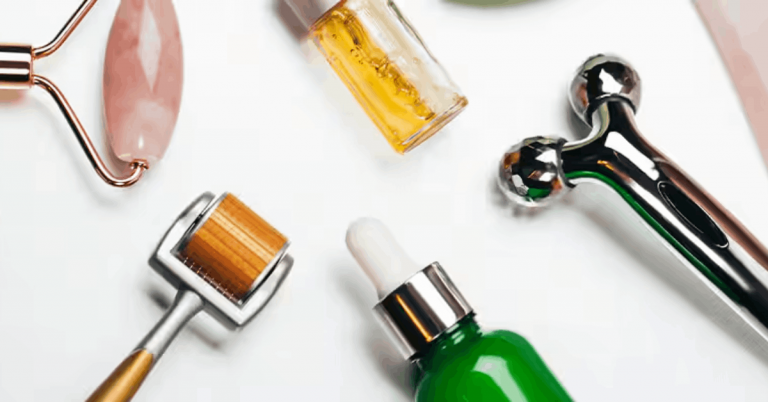
That jade roller sitting on your bathroom counter right now? It’s probably growing bacteria. And the fix has nothing to do with how often you wash it.
Spending $30 or $40 on a facial cleansing brush only to toss it 90 days later feels wasteful. Because it is. Learning how to extend the life of beauty tools starts with ditching the habits that wreck them quietly.
Tool care articles love to tell you “clean everything weekly.” I think that advice does more harm than good for certain tools. More on that in a minute.
The frustrating part is that small, invisible mistakes cause the damage. The wrong storage spot. The wrong drying method. A cleaner that eats through silicone. All fixable.
Why Your Beauty Tools Break Down So Fast
Dirty tools create a chain reaction that goes well beyond a single breakout. And the cost of ignoring maintenance adds up quicker than the cost of buying replacement tools every few months.
Bacteria Transfer and Skin Problems
Brushes, sponges, and rollers collect bacteria after every single use. That bacteria transfers straight to your face during your next routine. Clogged pores, breakouts, and even infections trace back to contaminated tools, not contaminated products.
The best serum in your cabinet will underperform if the tool applying it is covered in yesterday’s residue. Cleaning tools protect both your skin and your skincare investment.
Product Contamination Goes Both Directions
A dirty brush dipped into a moisturizer jar introduces bacteria into the product itself. That jar now has a shorter shelf life. One unclean tool can compromise every product it touches.
I would stop dipping brushes directly into jars and use a small spatula for scooping product instead. That single change protects both your tools and your products at the same time.
Performance Drops Before Tools Look Damaged
Residue buildup doesn’t always look obvious. But clogged bristles won’t distribute product evenly, and a film-coated roller won’t glide the way it should. The tool still looks fine while performing 50% worse.
Cleaning Beauty Tools: The Right Cleaners and the Wrong Ones
The cleaning product matters as much as the cleaning itself. Using the wrong soap on the wrong material is a fast track to replacement shopping.
A good rule to follow: match the cleaner to the material, not the mess. Gentle options work for almost everything. Harsh ones damage almost everything.
The right cleaners for each tool type break down like this:
- Brushes (natural and synthetic bristles): mild soap or baby shampoo, rinsed in lukewarm water
- Silicone facial pads: alcohol-free spray or plain warm water only
- Metal tools (tweezers, scissors): rubbing alcohol or hydrogen peroxide on a cotton pad
- Jade rollers and gua sha stones: damp cloth wipe, no soap unless visibly dirty
- Makeup sponges: gentle liquid cleanser, squeeze and rinse until water runs clear
Never use bleach, harsh detergents, or abrasive sponges on any beauty tool. These strip coatings, scratch surfaces, and weaken materials faster than daily use ever would. Always check if a product label specifies “safe for skin-contact items” before applying it to your tools.

The American Academy of Dermatology recommends cleaning makeup brushes every 7 to 10 days to reduce bacteria that cause skin irritation and breakouts.
How to Store Beauty Tools So They Last Longer
Storage mistakes shorten tool life more than cleaning mistakes do. And the most common storage spot in every home is the worst one.
Stop Storing Tools in the Bathroom
Bathrooms trap humidity. Every shower fills the room with warm, moist air that settles on every surface. Moisture breeds mold on brush bristles, rust on metal tools, and mildew on sponges. A dry drawer in your bedroom or a cabinet with airflow works better.
Heat and Sunlight Warp Handles and Adhesives
Tools left near windows or heating vents warp over time. Plastic handles bend. Adhesive holding bristles loosens. The damage happens gradually, so it’s easy to miss until a brush head pops off mid-routine.
Store tools in a shaded, room-temperature spot. Avoid windowsills, radiator shelves, and countertops near heat sources.
Tossing Tools Loose in Makeup Bags Spreads Bacteria
Zipped bags look clean but collect dust, powder residue, and loose product. Tools banging against each other inside a bag causes surface scratches that trap bacteria in tiny grooves.
Protective pouches or individual tool wraps solve this fast. Keep each tool separated and covered.

The Shower Is the Worst Place for Razors
Razors stored in the shower sit in constant moisture and splashback. The blades dull faster, and rust forms within days. Move razors to a dry spot after every use and dry the blade with a clean cloth first.
The Over-Cleaning Problem Nobody Talks About
Every article on beauty tool care repeats the same advice: deep clean everything once a week. I think that weekly deep-cleaning schedule damages silicone pads and stone tools faster than occasional use would on its own.
Silicone degrades when exposed to soap repeatedly. A weekly soap wash on a silicone facial pad breaks down the material’s flexibility over months. Jade and rose quartz rollers absorb trace amounts of moisture during each wash, and micro-cracks form over time from repeated wet-dry cycles.
| Tool Type | Recommended Cleaning | Over-Cleaning Risk |
|---|---|---|
| Makeup brushes | Weekly soap wash | Low: bristles handle frequent washing well |
| Silicone facial pads | Warm water rinse after use, soap monthly | High: soap degrades silicone flexibility |
| Jade/gua sha rollers | Damp cloth wipe after use | Medium: repeated soaking causes micro-cracks |
| Metal tweezers | Alcohol wipe after each use | Low: alcohol evaporates without residue |
| Razors | Rinse and dry after each use | Low: rinsing prevents buildup and rust |
The smarter approach for silicone and stone tools is a warm water rinse after each use and a soap-based deep clean once a month at most. Save the weekly scrubbing for brushes and sponges that can handle it.
Signs That a Beauty Tool Needs Replacing
Even the best-maintained tools have a shelf life. Knowing when to replace beats guessing.
A few clear signals tell you a tool is done:
- Brushes: bent, splayed, or missing bristles that no longer hold their shape after washing
- Facial cleansing brushes: a slimy texture or lingering smell that doesn’t go away after cleaning
- Razors: visible rust, dull edges, or pulling/tugging instead of cutting cleanly
- Tweezers and scissors: poor grip, corrosion spots, or discoloration on the tips
A dull razor pulls at skin instead of cutting hair. That pulling creates micro-tears and irritation, which means a worn tool actively harms your skin. Swap blades at the first sign of dragging, not after visible rust appears.
Small Habits That Add Months to Your Tools
Tool longevity comes down to a handful of daily micro-habits. None of them take more than 30 seconds.
Dry Tools Immediately After Every Use
This matters more than cleaning frequency. A tool left damp for even an hour creates a breeding ground for bacteria. Wipe everything with a dry cloth right after use. Lay tools flat on a clean towel until fully air-dried before storing them.
Label Each Tool with a Start Date
Write the month on each tool using a waterproof sticker or marker. Tracking how long a tool has been in rotation helps you catch the replacement window instead of guessing. This also keeps you honest about cleaning schedules.
Rotate Between Duplicate Tools
Owning two of the same brush or sponge lets each one rest between uses. The alternating schedule evens out wear, and each tool lasts significantly longer than one used every single day.
Never Share Personal Tools
Sharing transfers oils, dead skin cells, and bacteria between users. What sits harmlessly on one person’s skin can trigger irritation or breakouts on another’s.
Keep personal tools labeled and separate, especially if sharing a bathroom. The Cleveland Clinic notes that sharing personal grooming tools is a common and overlooked source of skin infections.
Questions People Ask About Beauty Tool Care
Q: How often should I replace makeup brushes?
A well-maintained brush can last 2 to 3 years. The trigger for replacement is bristle shape, not a calendar date. Once bristles splay outward and won’t snap back after washing, the brush is done.
Q: Can I use dish soap to clean makeup brushes?
Dish soap cuts through grease but strips natural oils from bristle fibers. Baby shampoo or a brush-specific cleanser cleans just as well without drying out the bristles over time.
Q: Do silicone beauty tools need to be replaced?
Silicone tools last longer than bristle brushes, but they still degrade. Look for cracks, loss of flexibility, or a sticky surface texture. Those signs mean the silicone has broken down and should be swapped.
Q: Is it bad to air-dry tools in the bathroom?
Air-drying is fine if the bathroom is ventilated and dry. The problem is drying tools in a steamy, closed bathroom right after a shower. That humid air slows drying and creates the exact conditions bacteria love.
Q: What’s the best way to store razors between uses?
A dry cabinet or a wall-mounted holder outside the shower keeps the blade dry and away from humidity. Storing a razor on the shower ledge is the fastest way to dull and rust the blade.
Conclusion
Keeping your beauty tools working well comes down to drying, storage, and knowing when to stop scrubbing. The tools that last the longest are the ones that stay dry between uses.
Skipping one weekly deep clean matters less than wiping a brush dry after every single use. Treat your tools like part of your routine, and they will keep performing for years.