Keeping your personal care routine simple starts with choosing the right tools. How to Build a Minimal Beauty Tool Collection means focusing on daily-use essentials instead of accumulating extras.
Many routines become cluttered because of impulse purchases and trends. This guide helps you build a collection based on function, consistency, and practicality.
Understand the Role of Each Tool
Every tool in your routine should serve a clear and repeatable purpose. Identifying what each item does helps eliminate redundant or unused tools.
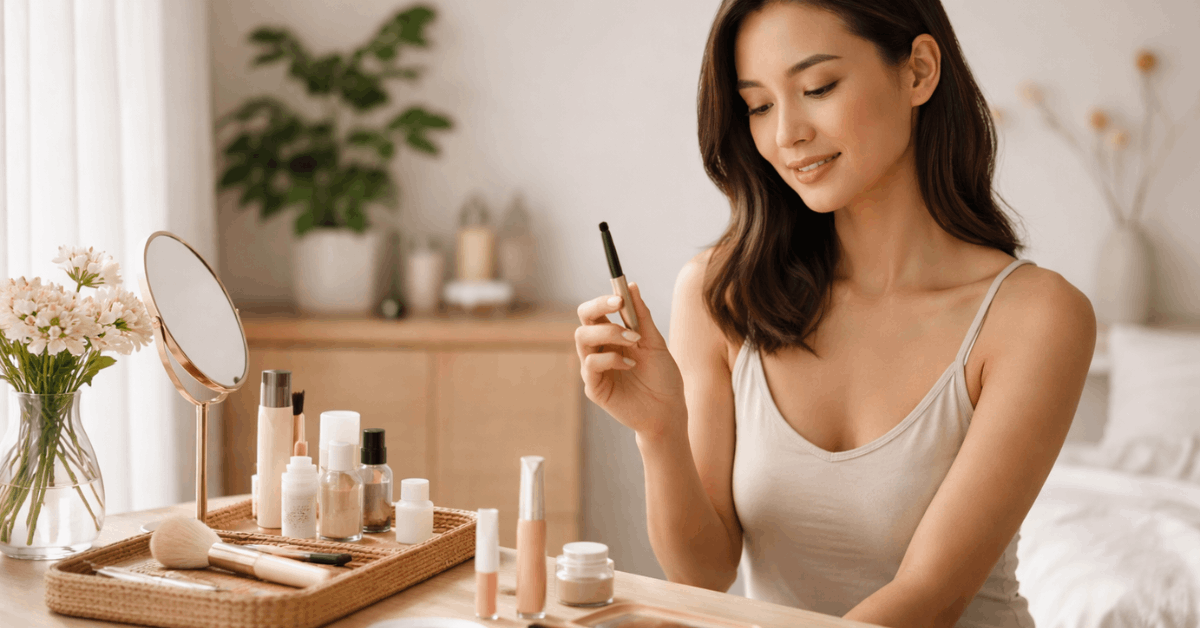
Many people buy tools based on marketing or recommendations, not actual need. Items that are rarely used often take up space without adding value.
Reviewing your current tools highlights what truly supports your routine. This step creates the foundation for a more intentional collection.
Prioritize Functionality Over Trend
A minimal beauty setup focuses on long-term usability, not short-lived trends. Functional tools remain useful regardless of season or style changes.
If a tool doesn’t support your regular routine, it doesn’t belong in your kit. Trend-driven tools often require extra maintenance or storage.
Choosing practicality helps reduce clutter and wasted spending. Minimal collections work best when built around real habits.
The Essentials: What Every Kit Needs
A minimal beauty kit starts with core tools used consistently. These items form the backbone of daily personal care.
Hair Tools That Do the Work
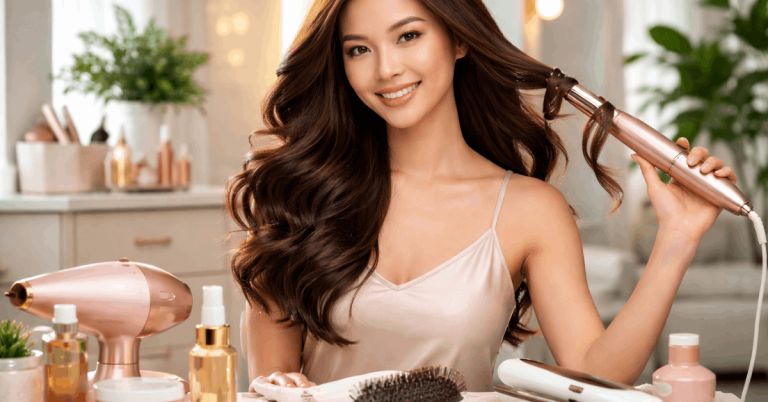
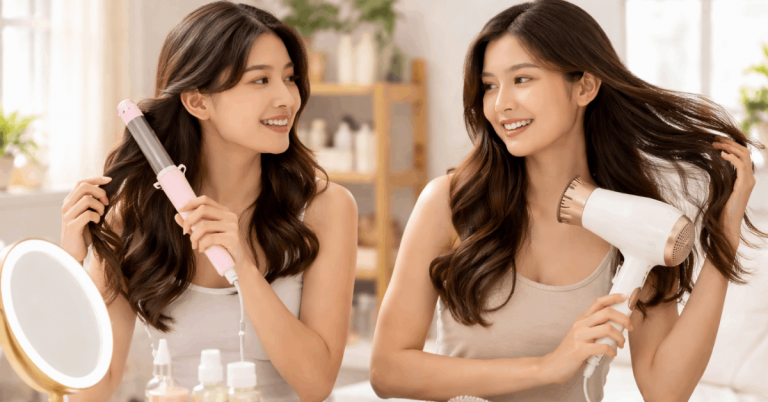
Hair tools should support basic grooming and styling needs. Owning too many variations creates unnecessary clutter.
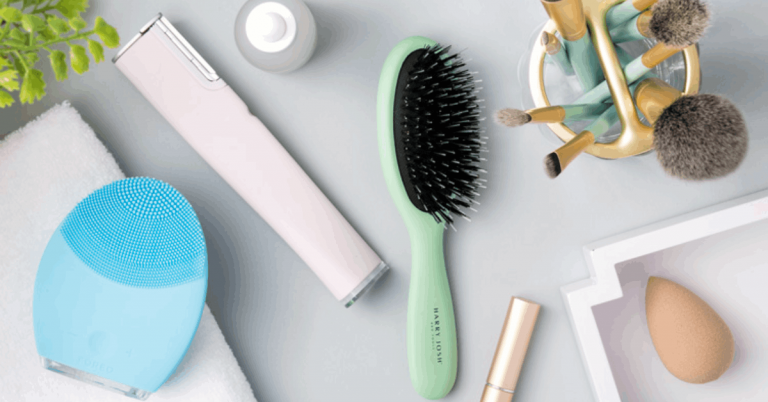
- A detangling brush or wide-tooth comb for daily grooming
- One styling brush suited to your hair type
- A compact hair dryer with adjustable settings
- An optional heat styling tool used regularly
Each tool should earn its place through frequent use. Quality matters more than quantity in a minimal setup.
Skincare Tools That Support Your Routine
Skincare tools should enhance, not complicate, your routine. Stick to items that support basic cleansing and grooming.
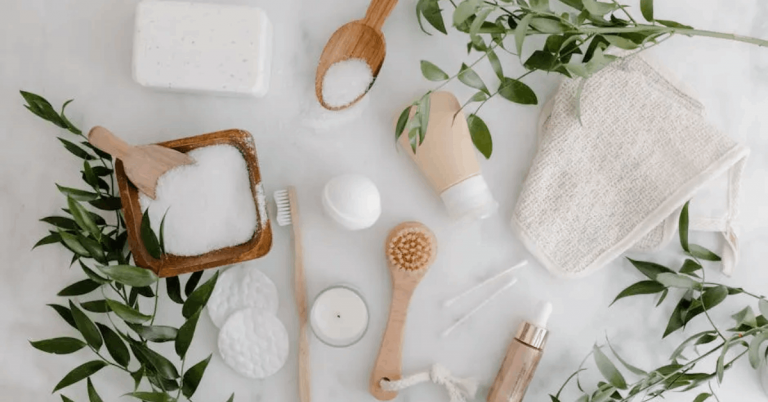
- A reusable face cloth or cotton pad for cleansing
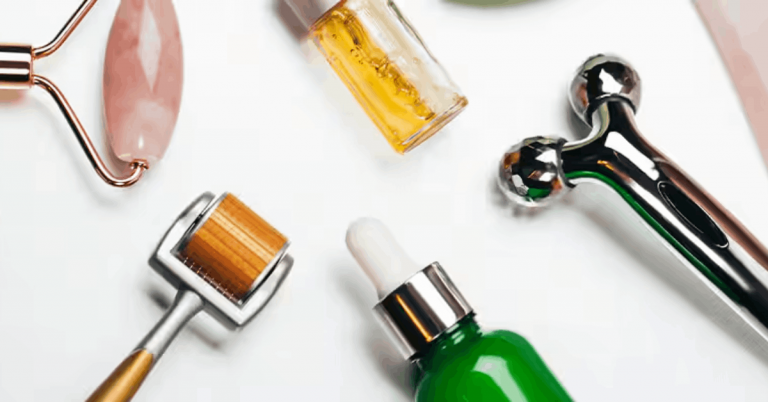
- A facial massage tool if used consistently
- Tweezers for precise grooming
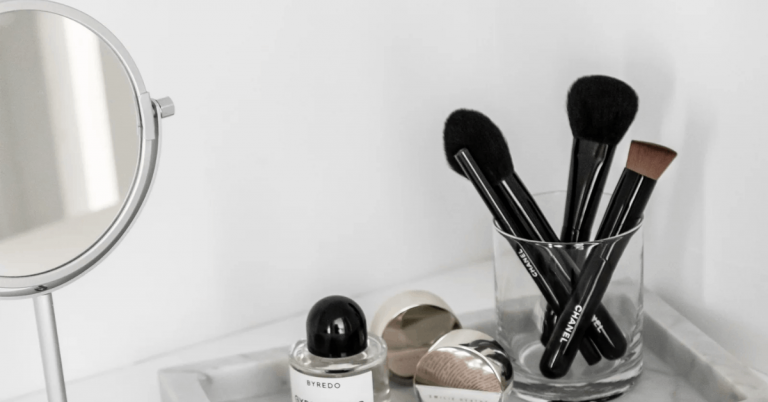
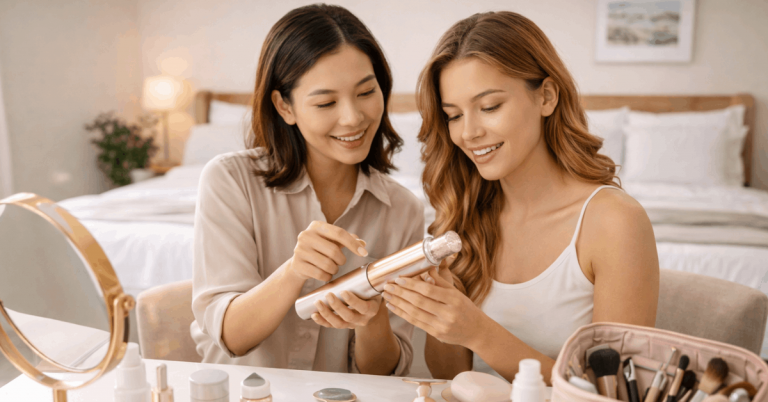
- A mirror with good lighting for accuracy
Tools that aren’t used weekly can usually be removed. A minimal kit supports efficiency and hygiene.
Build Around Daily Habits, Not Rare Occasions
Your collection should reflect what you do most days, not special events. Daily routines determine which tools deserve space.
Tools meant for rare occasions often go unused and create visual clutter. Focus on items that support morning and evening routines.
This approach keeps your setup practical and easy to manage. A habit-based collection stays relevant over time.
Quality Tools Outperform Quantity
Fewer high-quality tools provide better results and longevity. Cheap tools often wear out quickly and cause frustration.
Durable materials last longer and are easier to clean and sanitize. Well-made tools feel better during use and reduce skin or hair damage.
Investing once prevents repeated replacements. Quality supports a sustainable minimal routine.
Two Categories, One Goal: Practical Simplicity
Organizing tools by purpose helps maintain clarity and control. Separating hair and skincare tools keeps routines focused.
Hair Grooming: Just the Basics
Hair care doesn’t require multiple specialized tools. A few reliable items handle most needs.
- One detangling or styling tool
- One heat or non-heat styling option
- One maintenance tool for trims or grooming
This setup supports daily care without unnecessary extras. Simplicity improves consistency and ease.
Skincare and Grooming: Less Is Best
Skincare tools are often overbought. Limiting them supports skin balance and cleanliness.
- One cleansing accessory
- One precision grooming tool
- One high-visibility mirror
Fewer tools reduce irritation and improve hygiene habits. Minimal choices lead to better upkeep.
Storage Matters: Keep It Visible and Simple
Proper storage helps you use tools more consistently. Visibility prevents forgetting what you own.
A single tray or container keeps everything accessible and organized. Tools stored out of sight often go unused. Simple storage reduces decision fatigue. Minimal setups thrive with clear organization.
When to Add, When to Replace?
Minimal collections still evolve over time. The key is knowing when changes are necessary.
Replace tools that cause irritation, break easily, or no longer perform well. Add new tools only if they serve a specific, recurring need. Avoid adding items for curiosity alone. Clear rules prevent collection creep.
Maintain Hygiene With Fewer Tools
Fewer tools make cleaning and maintenance easier. Hygiene improves when routines are simple.
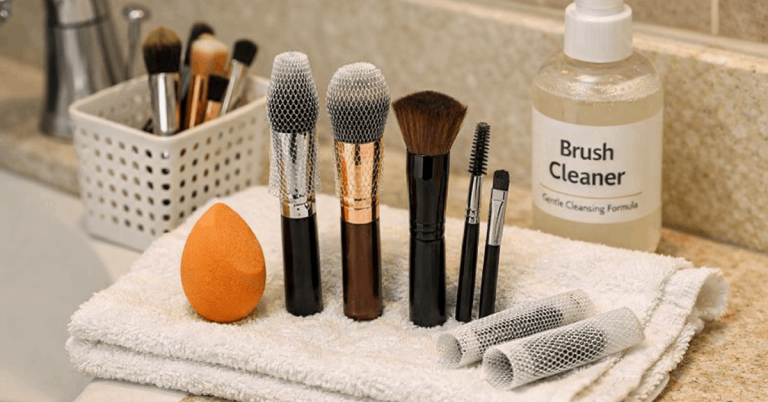
Clean grooming tools after each use. Wash cloths and pads frequently. Disinfect shared or metal tools regularly. A smaller collection encourages better care habits.
Quick Checks to Keep Your Collection Lean
Regular reviews help maintain balance and relevance. Small checks prevent unnecessary buildup.
Look for duplicates or unused tools. Remove items untouched for 60 days or more. Inspect for wear or damage. These habits keep your collection intentional and efficient.
Smart Add-Ons That Don’t Overcomplicate
Minimal doesn’t mean restrictive. Some additions improve function without adding clutter.
- A compact trimmer for quick grooming
- A replaceable-head cleansing brush
- A travel-sized duplicate of a daily tool
- A storage pouch for organization
- A multi-use grooming tool
Only keep add-ons that see regular use. Remove anything that disrupts simplicity.
Use, Clean, Reevaluate
A minimal kit works best with consistent habits. Ownership matters less than usage.
Use tools intentionally. Clean them on a schedule. Reevaluate your collection often. This cycle keeps your routine efficient and sustainable.
How to Transition from a Full Kit to a Minimal One?
Some people already have large beauty tool collections. It’s helpful to understand how to scale back in a smart and sustainable way.
- Start by decluttering tools you haven’t used in months.
- Test dual-purpose tools for a week before replacing others.
- Donate or gift duplicates to friends or shelters.
- Use up any remaining accessories before repurchasing.
Common Mistakes When Choosing Minimal Tools
A minimalist setup still requires smart selection. Many shoppers over-prioritize aesthetics or social trends.
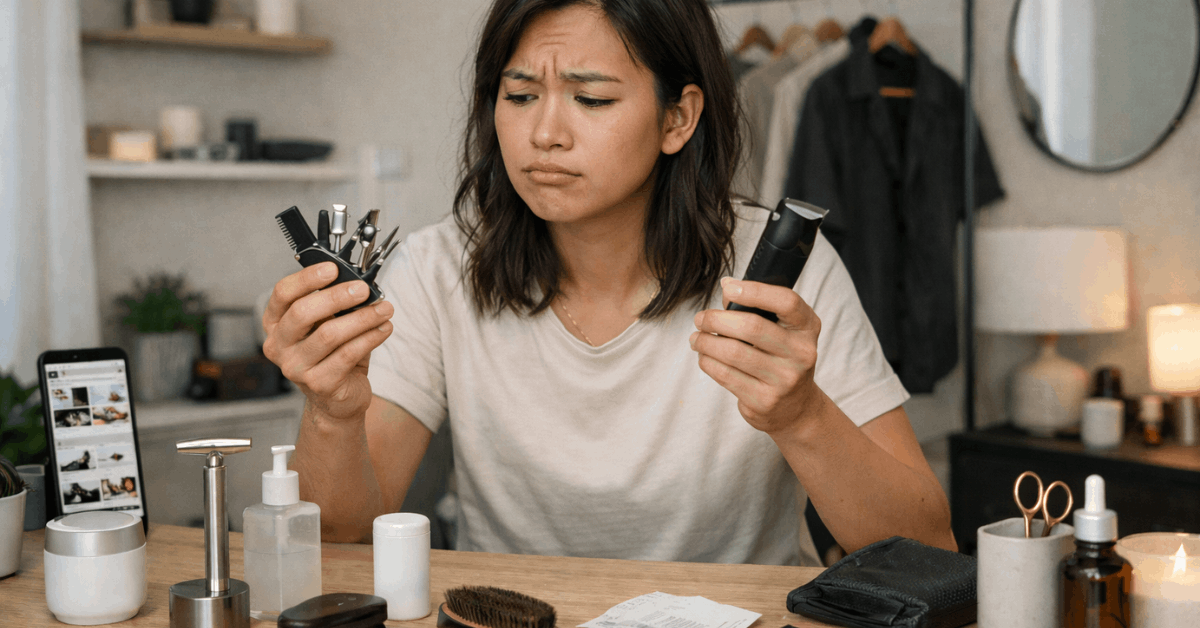
- Don’t choose tools just because they’re trending online.
- Avoid buying multi-use tools that don’t actually suit your habits.
- Skip overly cheap tools that compromise skin or hair health.
- Never overlook comfort and ease-of-cleaning.
Where Beauty Meets Simplicity
A focused beauty setup supports easy daily care. How to Build a Minimal Beauty Tool Collection begins with understanding what you actually use.
Tools that serve no purpose add stress, not value. Build slowly, review regularly, and let function guide every choice.