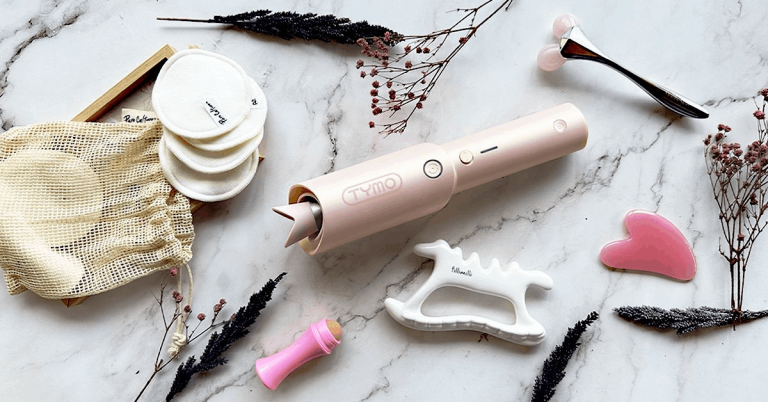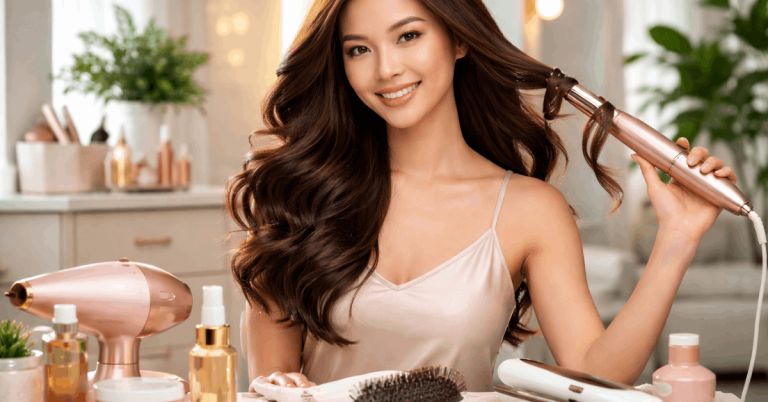
Healthy hair is not only about products, but it is also about technique. If you are learning how to use beauty tools without damaging hair, focus on heat control, gentle handling, and smart timing.
Most damage comes from rushing, pulling, and repeating the same step too many times. This guide breaks down safer tool habits that fit real mornings. You will see what to do, what to avoid, and what to change first.
Each section highlights one tool choice that supports gentler styling. Small technique fixes matter more than constant new purchases.
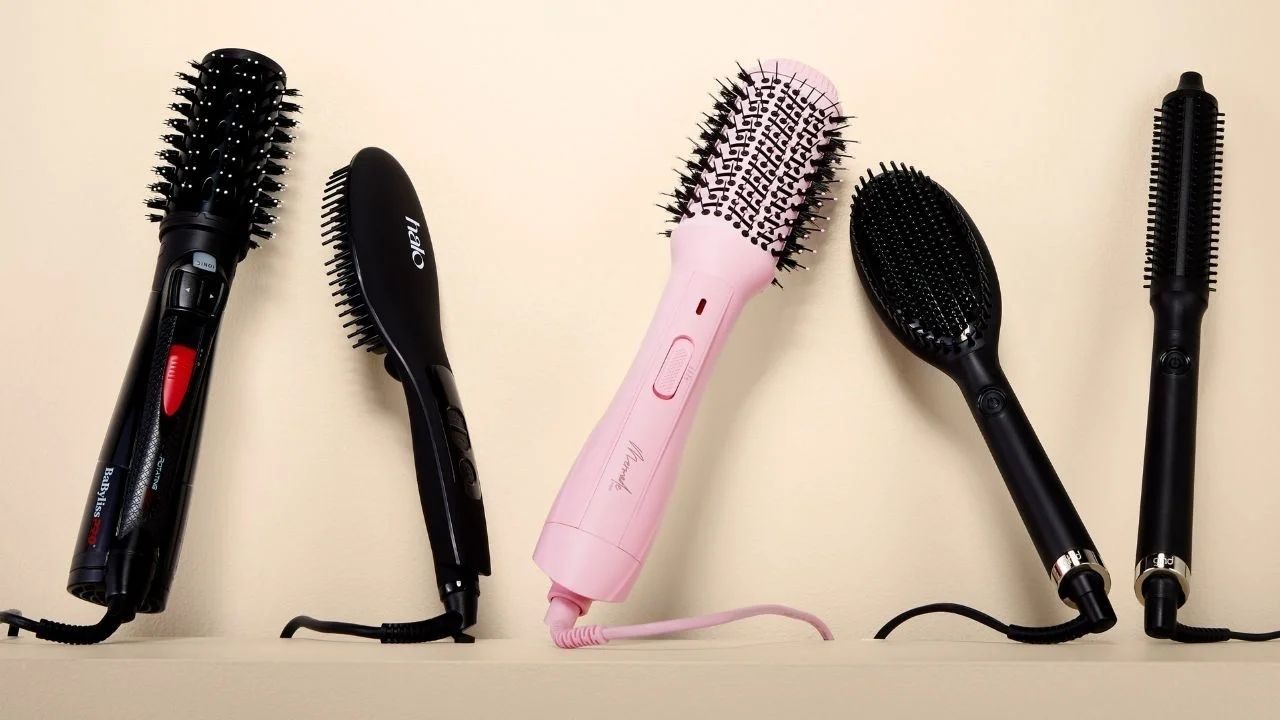
Brushing That Protects The Cuticle And Reduces Breakage
Brushing can either support shine or create breakage, depending on how you do it. Hair snaps when you force tangles, brush too often, or brush at the wrong time.
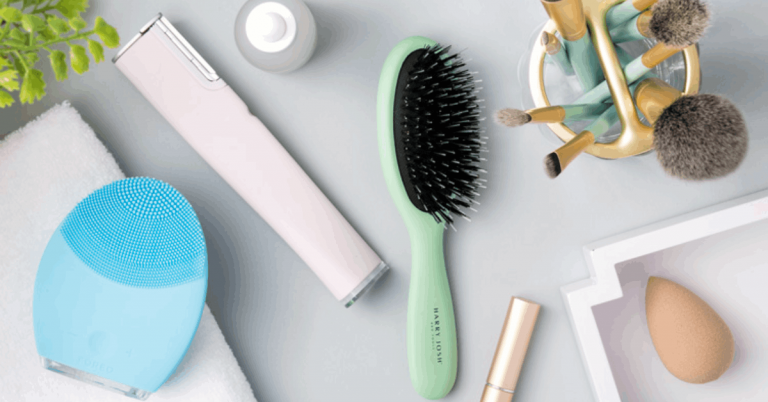
The safest routine starts with less pulling and more patience. A boar bristle brush can help because it smooths and distributes natural oils without harsh scraping.
Still, even the best brush needs the right technique to work well. Think of brushing as cuticle care, not a speed task.
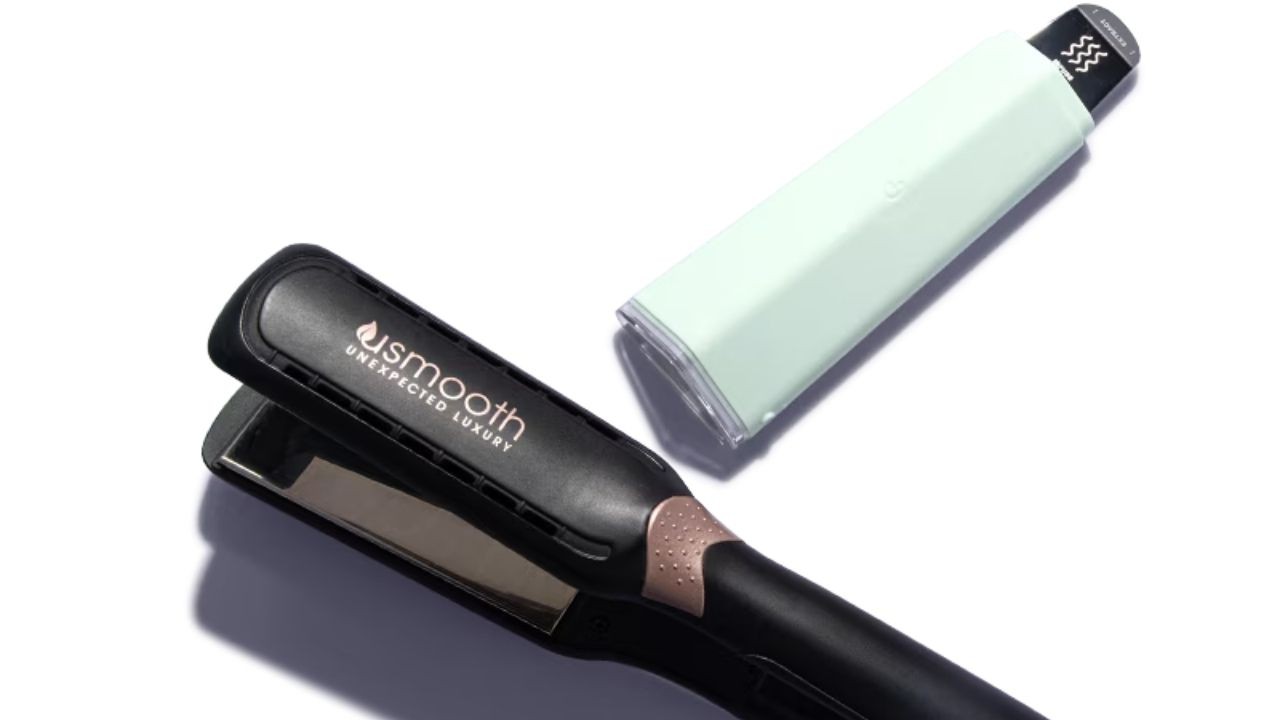
Brush At The Right Time, Not Just When It Looks Messy
Brushing dry, fragile hair right after a long day can increase snapping. If your hair is fine or color-treated, reduce aggressive brushing when it is already stressed.
Brush before washing to loosen shed hair, then detangle gently after, depending on texture. Curly hair often does better with detangling in the shower, not dry brushing.
Pay attention to how your hair responds instead of copying trends. The goal is fewer tangles over time, not perfect smoothness every hour.
Use Sectioning To Avoid Pulling Through Knots
Sectioning reduces the urge to yank from root to tip. Start with smaller sections and work from the ends upward in short strokes.
Hold the section above the tangle to reduce tension on the scalp. If the brush catches, stop and loosen with fingers before continuing.
This keeps brushing controlled and reduces sudden snap points. You want gentle progress, not forceful passes that feel productive but harm hair.
Choose A Boar Bristle Brush For Smoothing, Not Detangling
A boar bristle brush is best for smoothing, not for ripping through knots. Use it when hair is mostly detangled, and you want shine and polish. It helps spread oils from roots toward mid-lengths, which can reduce dryness.
Avoid using it on wet hair because it can stress the fibers and loosen bristles. When you clean it, dry it fully so the bristles keep their shape. This tool supports softer daily finishing when used at the right stage.
Curling And Straightening With Fewer Passes And Lower Risk
Heat styling becomes damaging when you chase perfect results with repeated passes. The cuticle lifts, and moisture escapes when hair is overheated or held too long.
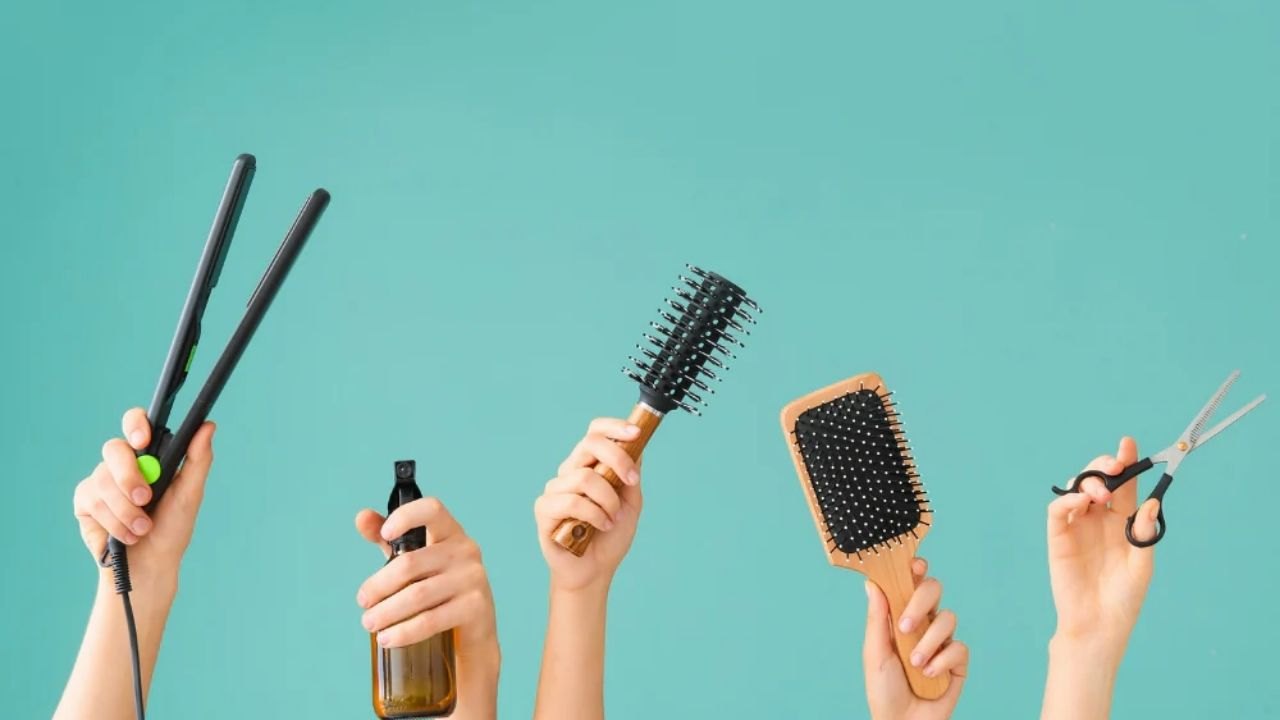
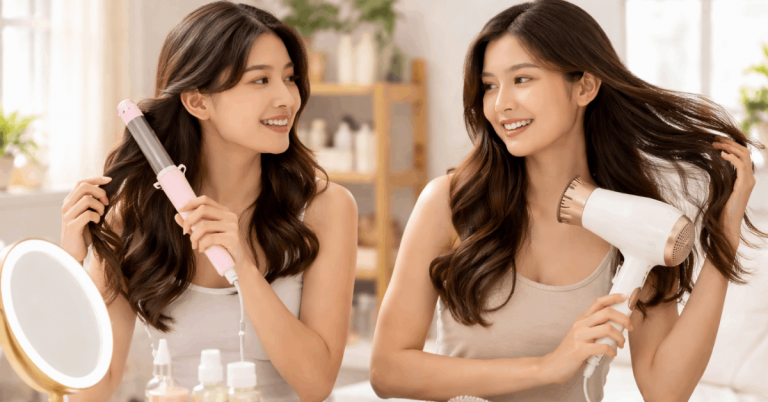
You can still curl or straighten, but you need smarter section size and temperature control. A ceramic curling wand is a gentler option because it distributes heat more evenly than cheap metal barrels.
Technique matters most when you are tired and rushing. Aim for consistent results with fewer passes, not the highest heat.
Set The Lowest Effective Temperature For Your Hair Type
High heat is not a badge of skill, it is a risk factor. Start low and increase only if you truly need it for hold. Fine hair often needs less heat and shorter contact time than thick, coarse hair.
If you hear sizzling or smell burning, stop immediately and reassess. Always use heat protectant and let it dry fully before styling. The safest habit is heat discipline, not constant retouching.
Use Bigger Sections To Style Faster Without Extra Heat
Tiny sections look precise, but they can lead to more total exposure. Use sections that match your tool width to avoid repeating the same area.
If you have to pass over a strand more than once, the temperature is likely too high or the section is too thick.
Adjust one variable at a time, then test again. This method keeps styling efficient and reduces stress on ends. You build predictable heat exposure instead of random damage.
Choose A Ceramic Curling Wand For Even Heat Distribution
Ceramic barrels heat more evenly and can reduce hot spots that scorch hair. Look for a wand with adjustable settings and a consistent clamp-free surface.
Keep the wand moving and avoid holding the ends on the barrel longer than needed. Let curls cool before touching them, because hot hair reshapes easily and breaks more easily.
Store the wand safely so the cord does not kink and fail. A ceramic curling wand supports gentler styling routines when you pair it with control.
Blow Drying For Shine Without Overdrying Or Frizz
Blow drying becomes damaging when you blast hair too close or too long in one spot. Overdrying makes strands brittle, which causes frizz and snap-prone ends.
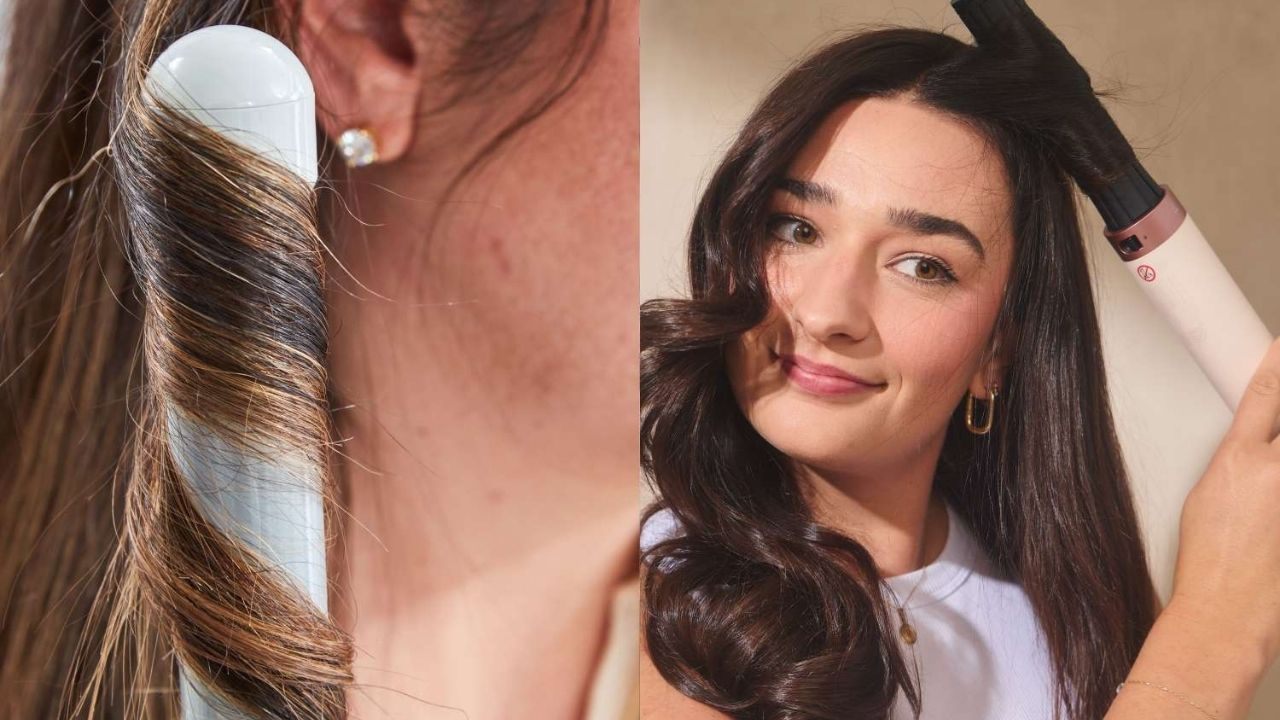
The goal is not bone-dry hair; it is controlled drying with less stress. A diffuser attachment is a safer tool choice for many hair types because it spreads airflow and reduces harsh direct heat.
Your approach should change based on whether you want volume, smoothness, or curl definition. Think of blow drying as airflow management, not a race.
Dry The Roots First, Then Move To Mid-Lengths And Ends
Roots hold moisture longer and can make hair feel limp or greasy if ignored. Start at the scalp area, then work down once the base is mostly dry. Keep the dryer moving and stay a few inches away from the hair.
If you focus on ends too early, they overdry while roots stay wet. This creates frizz and increases breakage in the most fragile areas. A root-first routine supports balanced drying that looks smoother.
Use The Right Angle To Avoid Roughing Up The Cuticle
Airflow direction matters more than people expect. Aim the dryer down the hair shaft, not upward against it. That reduces cuticle lift and helps hair look shinier with less effort.
If you dry from random angles, you create more frizz and then add more heat to fix it. Use a brush only when the hair is partly dry, so it does not stretch. This angle rule builds smoother results with fewer touch-ups.
Choose A Diffuser Attachment For Gentler Airflow
A diffuser reduces concentrated heat and spreads airflow across a wider area. This is especially helpful for wavy and curly hair that frizzes under direct blasts. Use medium heat, low to medium airflow, and keep sessions short.
Cup sections of hair into the diffuser rather than scrubbing aggressively. Let hair cool for a minute before touching it to lock the shape. A diffuser attachment supports curl-friendly drying and reduces the need for harsh finishing tools.
Clips, Elastics, And Tension Control For Everyday Hairstyles
Many people think damage comes only from heat, but tension damage is common. Tight styles pull at the hairline and create weak points where hair breaks over time.
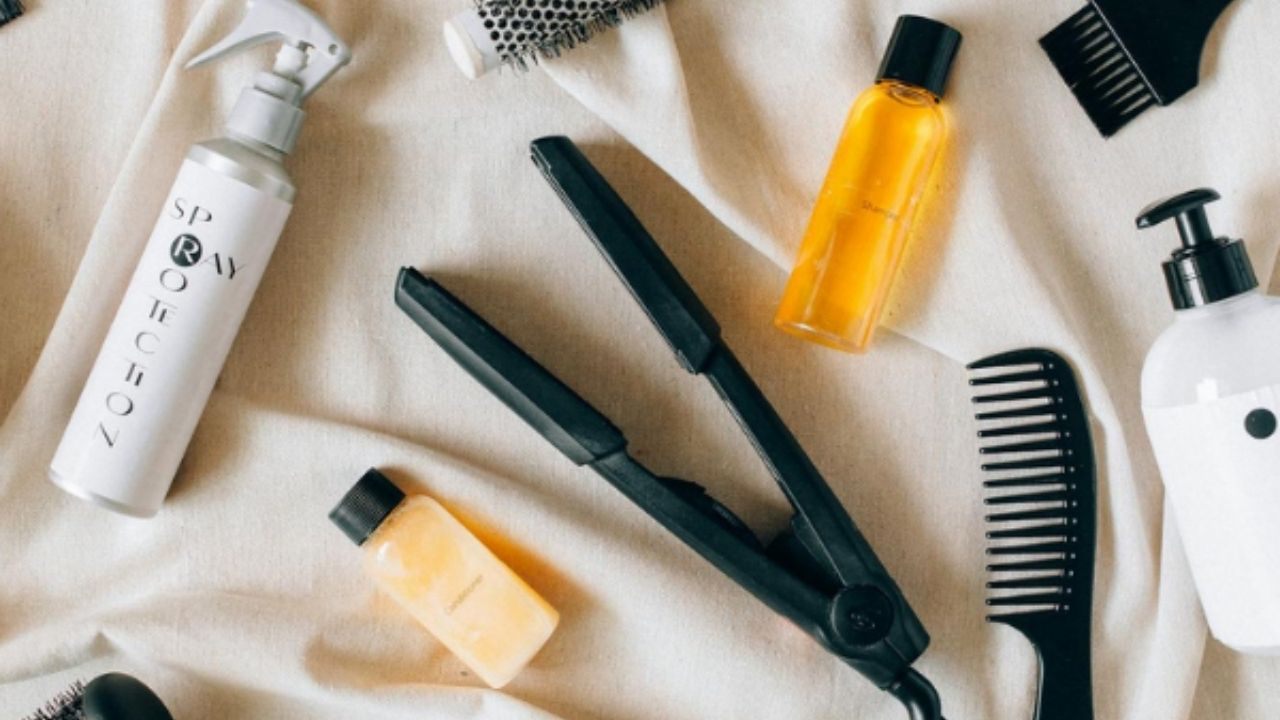
The safest hairstyles distribute tension and avoid repeating the same placement daily. Spiral hair ties are a gentler option because they grip without sharp creases and reduce pulling.
You can keep hair neat without making it painful or overly tight. Treat styling accessories as hair health tools, not just fashion.
Avoid The Same Ponytail Spot Every Day
Repeating one ponytail location creates a consistent stress point. Rotate between low, mid, and loose styles to spread tension. If you have breakage near the crown, switch to a lower placement and use a less tight hold.
When you remove a tie, unwind it gently instead of ripping it out. Small choices reduce micro-breaks, which can thin areas. This rotation supports healthier edges over time.
Use Clips And Pins That Do Not Snag Or Scratch
Clips with sharp edges can catch strands and rip them when you adjust. Choose smoother clips and avoid overloading them with too much hair. If a clip slips, do not tighten it harder; change the section size.
Pins should slide in without scraping, and you should remove them slowly. The goal is secure a hold with minimal friction on the hair surface. That creates low-friction styling that still looks polished.
Choose Spiral Hair Ties To Reduce Creasing And Pulling
Spiral ties can reduce dents and may feel gentler during removal. They also help you avoid wrapping hair too tightly, which lowers strain. Use one or two wraps that feel secure but not painful.
If your scalp feels sore, the style is too tight and should be adjusted. Keep a spare tie in your bag so you do not rely on harsh elastics. Spiral hair ties support a comfortable daily hold without constant tension damage.
Wet Hair Handling With Less Stretch Damage
Hair is most fragile when wet because it stretches and snaps more easily. Damage happens when you scrub with a towel, yank through tangles, or tie hair up too soon.
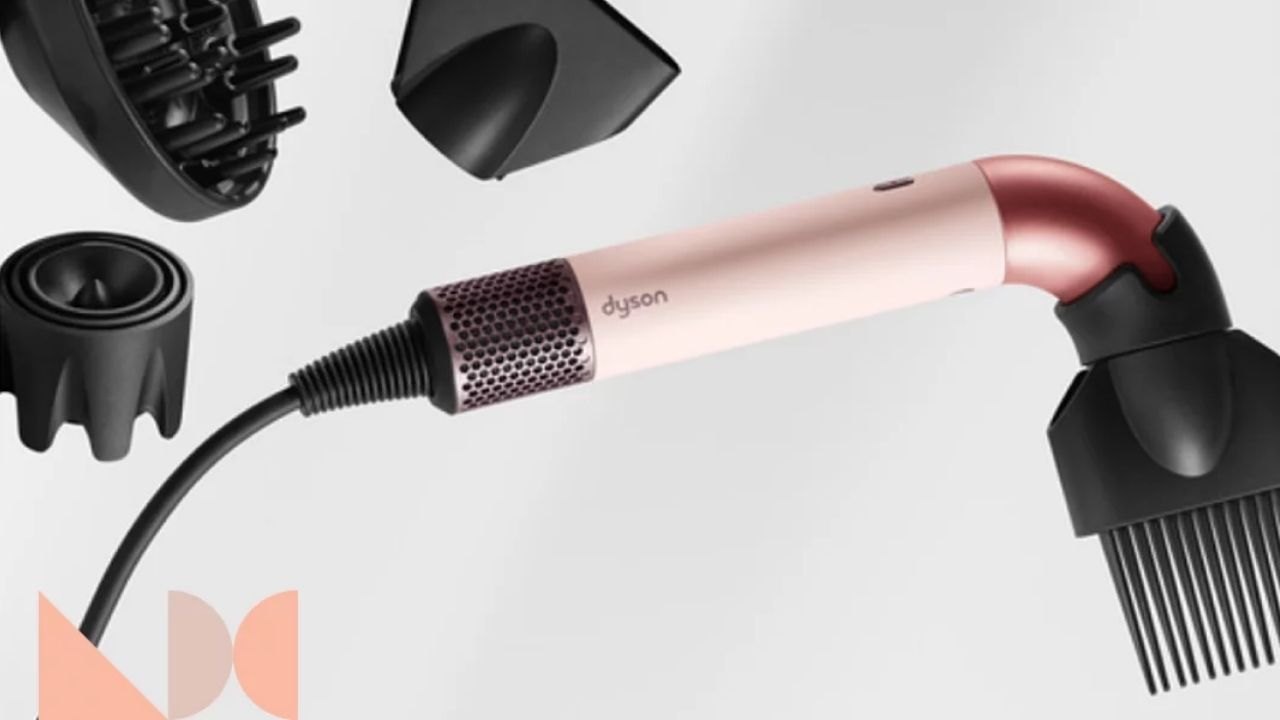
The safest approach is gentle drying and careful detangling with the right tool. A detangling brush designed for wet hair can help because it flexes and reduces pulling.
Your goal is to remove water and tangles without creating stress. Think of wet care as damage prevention time, not an extra chore.
Blot With A Soft Towel Instead Of Rubbing Hard
Rubbing creates friction that lifts the cuticle and roughs up the surface. Blot and squeeze sections gently to remove water without twisting. If you have long hair, work in sections to avoid aggressive wringing.
Avoid wrapping wet hair into a tight bun because that stretches strands as they dry. Let hair rest for a few minutes after blotting before detangling. This approach protects weaker wet strands from unnecessary stress.
Detangle From Ends Up With The Right Tool And Pace
Start at the ends, loosen small tangles, then move upward slowly. Hold hair above the tangle to reduce pulling at the scalp. If a knot is stubborn, use fingers first, then the brush once it loosens.
Never force the brush through resistance, because wet hair breaks fast. Use conditioner or a detangling spray if you need more slip. This method builds gentle detangling habits that prevent breakage.
Choose A Wet Detangling Brush Designed To Flex
A wet detangling brush is built to bend slightly, which reduces harsh snagging. Look for a design with flexible bristles and a comfortable grip. Use light pressure and short strokes instead of long, forceful pulls.
Clean the brush regularly so product buildup does not increase friction. Store it dry so the base does not trap moisture. This tool supports safer post-shower care when your hair is most vulnerable.
Conclusion
Hair-friendly styling is about technique, not perfection. If you want to know how to use beauty tools without damaging hair to feel realistic, focus on reducing heat, friction, and tension.
Brush with purpose, section your hair, and use smoothing tools only at the right stage. With these habits, your hair stays stronger while your routine stays simple.