Natural makeup looks best when tools blend well. This guide to the best beauty tools for natural looks shows what works without layers. You will pick tools based on finish, comfort, and speed. Each section pairs one tool with one product or app.
The aim is soft edges, even texture, and definition. You will also get cleaning and storage habits. Everything here fits everyday care. Use these picks, and your natural look stays consistent.
Start With The Finish You Want
Your finish is the simple way to pick tools for a natural look. Choose dewy, satin, or soft matte before you shop.
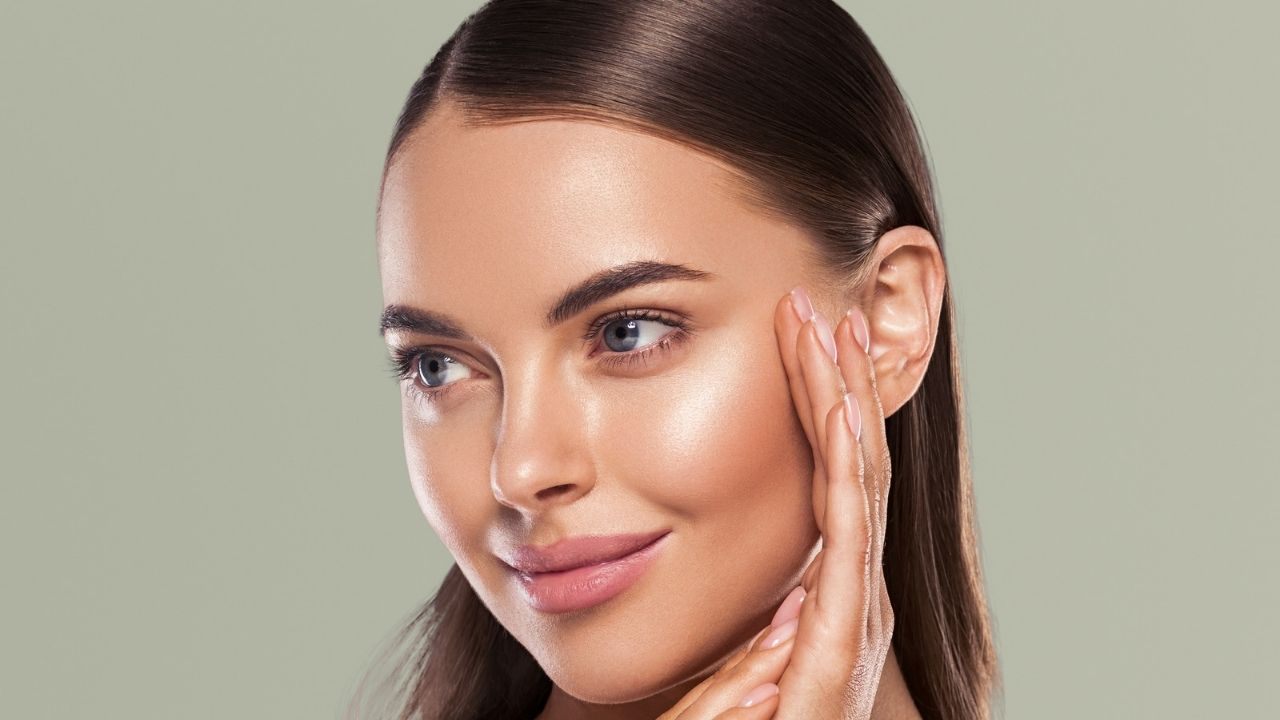
When you finish fitting your skin type, you use less product and blend faster. Tools should apply thin layers and keep the skin texture looking real. Test one finish for a week to judge wear. Then build a kit that supports it every day.
How Finish Changes Tool Choice
Finish-first shopping prevents streaks because each finish needs a touch. Dewy looks need tools that press product in without rough buffing. Satin looks need controlled blending that avoids sudden shine spikes.
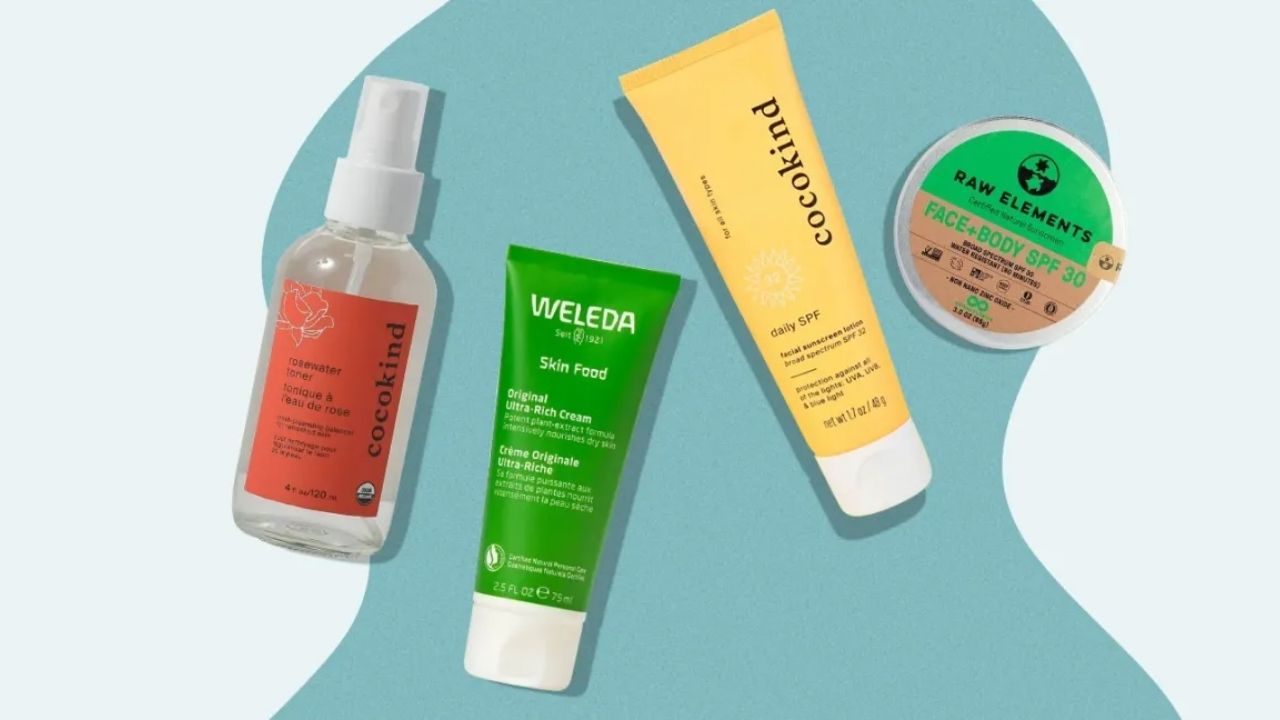
Soft matte looks need tools that set lightly without looking dusty. Use Perfect365 to test finishes in photos before you buy. Match the tool to the finish, and your base stays even all day.
One Tool Mistake That Ruins Natural Finish
Many beginners use one dense brush for every step, and it shows. A dense brush can over-buff and move product in patches, especially on dry areas. It can push powder into pores and create a flat layer on camera.
Keep one tool for spreading and another for softening edges. Use light pressure and stop once the seam disappears. That restraint is what keeps coverage looking invisible.
Base Tools For Dewy Natural Skin
Dewy natural skin looks fresh when the glow comes from thin layers, not excess oil. You want tools that keep shine controlled but luminous.
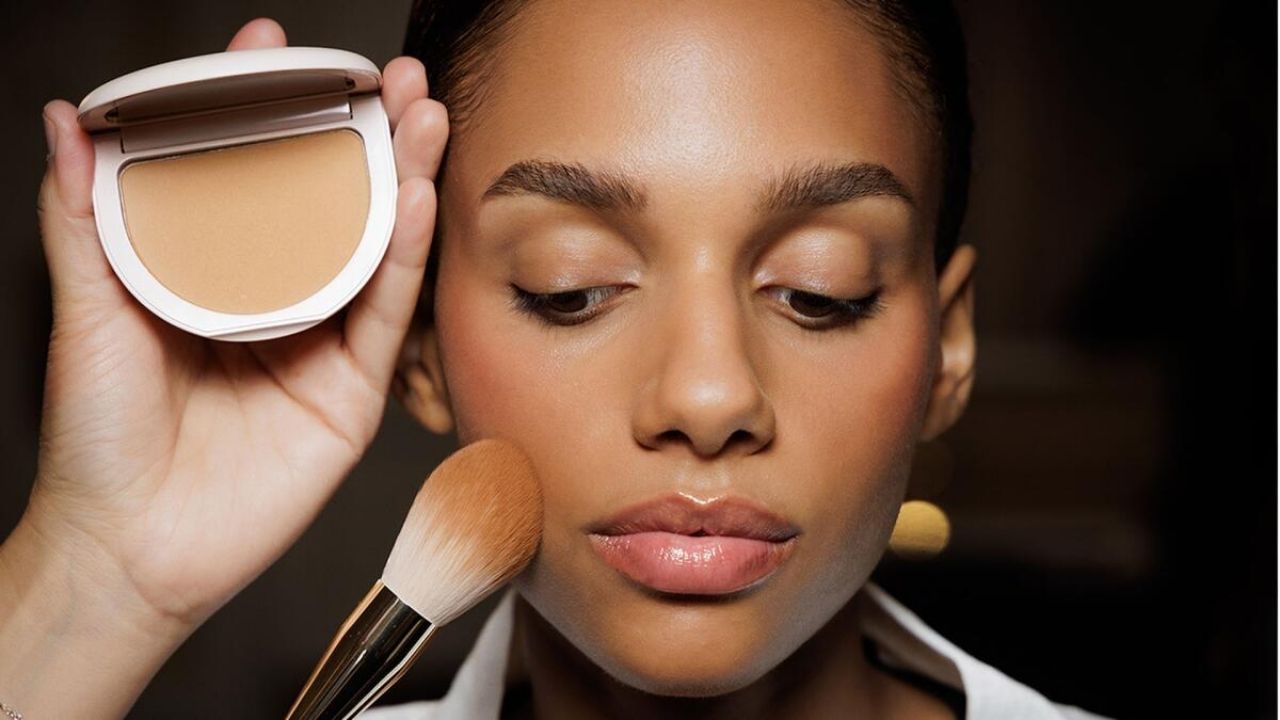
Pressing and smoothing motions work better than heavy buffing. Choose products that stay flexible, so they do not crack around the nose or chin.
Watch skin prep, because dehydration can turn dewy patchy. With the right kit, your base stays without looking greasy.
BB Cream For Sheer, Even Coverage
A BB cream is an easy base product for a dewy, natural finish. It evens tone while letting freckles and skin show through. Apply a small amount to the center of your face, then spread outward. Keep the layer thin around the hairline to avoid buildup.
If you need extra coverage, spot-conceal instead of adding more BB cream everywhere. This approach keeps the glow looking like healthy skin.
Latex-Free Microcell Sponge For Blending
For BB cream, a latex-free microcell sponge blends with control. Use short, gentle presses on the cheeks, then lighter taps on the forehead. Do not drag, because dragging can lift the base and create speckling.
Feather edges near the jaw to create a natural finish. Rinse the sponge after each use so it does not hold oils. A clean sponge makes dewy coverage look smooth, not streaky.
Balm Highlighter For Soft Glow
A balm highlighter works best when you treat it like a small accent. Tap a thin layer on the cheekbones and the brow bone for lift. Avoid the nose center if you get oily, because it turns shiny fast.
Blend with a fingertip so placement stays seamless. If you set with powder later, skip the highlighted zones. Used lightly, it gives a glow that looks intentional.
Base Tools For Soft Satin Skin
Satin finish is a safe choice for natural makeup in daily wear. It looks balanced in photos and avoids the flatness of matte.
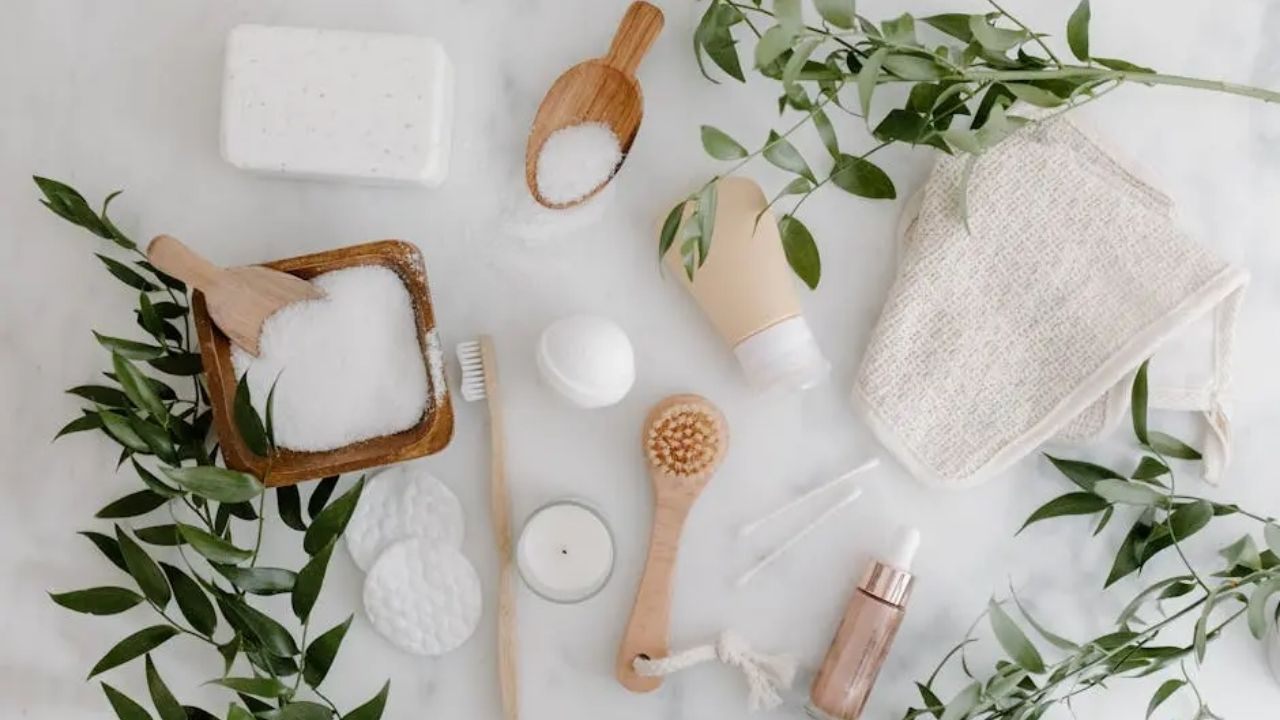
You need tools that spread product thinly, then blur edges without extra shine. Keep coverage targeted and controlled so skin still looks like skin.
This finish also handles humidity better than a very dewy look. With a few smart tools, satin becomes your default.
Serum Concealer For Spot Correction
A serum concealer is your satin workhorse for spot coverage. Use tiny dots only on redness, under-eye shadows, and around the nose. Let it sit for ten seconds, then blend the edges.
Do not spread it across large areas, because that kills the natural effect. Choose a shade that matches your skin, not one that looks bright. Targeted concealer keeps your base even without hiding everything.
Small Flat Foundation Brush For Precision
A small flat foundation brush blends small spots without wiping them away on textured areas. Tap product into place, then soften the border with short strokes. Work in good light so you can see the edge.
If you over-blend, add a micro amount back and tap again. Wash the brush often, because dried concealer makes the bristles stiff. Clean bristles are the difference between smooth and cakey.
Refillable Fine-Mist Atomizer For Setting
A refillable fine-mist atomizer can coat more evenly than a standard spray pump. Fill it with setting spray so the mist comes out softer and lighter. Hold it at arm’s length and mist in two quick passes.
This reduces wet spots that can break up base makeup quickly. Use two thin passes instead of one heavy soak. The satin finish stays smooth and comfortable for longer wear.
Base Tools For Soft Matte Natural Skin
Soft matte works when you want a natural look with less shine. It should stay breathable, not powdery or dry.
You need tools that set only where oil breaks through, like the T-zone. Pick flexible formulas, so you do not crack at smile lines. Use oil control in layers instead of erasing shine at once. With the right steps, matte still looks like real skin.
Blurring Primer For Smoother Texture
A blurring primer is the base product that makes soft matte look natural, not chalky. It smooths shine-prone zones, so you do not need layers later. Apply a thin amount and let it set for minutes before makeup.
If you rush, products can pill and ruin texture. Choose a formula that feels comfortable, because you will wear it often. When primer behaves, your makeup behaves too.
Domed Powder Brush For Light Setting
A domed powder brush is made for light setting without overdoing matte. Dip once into translucent powder, then tap off extra before touching skin. Press gently on the T-zone first, then sweep once to soften edges.
Avoid heavy back-and-forth, because that can lift base makeup. Leave cheeks less powdered, so skin still reflects a little light. This keeps matte controlled while the rest of your skin stays alive.
INCI Beauty App For Compatibility Checks
If you keep getting pilling or irritation, the issue may be compatibility. INCI Beauty is an app that helps you compare ingredients and flag triggers. Use it to check primers, powders, and cleansers before a full routine.
That saves money and reduces breakouts from trial and error. Log what works so you can repeat purchases with confidence. This tracking supports a natural finish that stays calm.
Cheeks, Brows, And Lips That Match The Finish
Natural looks fall apart when color placement fights the finish of your base. Cheeks, brows, and lips should match the same dewy, satin, or matte direction.
That keeps your face balanced and avoids the mixed-texture look. Choose tools that place color softly, then blend until edges disappear. Keep pigment buildable and sheer so you can stop on time. These finishing steps make your natural look believable.
Cream-To-Powder Blush Compact For Soft Color
For soft matte days, a cream-to-powder blush compact gives a realistic flush. Pick a muted shade that mimics your natural post-walk color. Tap the brush off before touching your face so you do not over-apply.
Place the color slightly higher than the apples for lift. If you go too far, blend the edge with a clean brush. This blush stays natural when it is light and blended.
Brow Comb And Mini Scissors Set For Grooming
A brow comb and mini scissors set gives lift without heavy makeup. Brush hairs up and out, then trim only the tips that stick past your shape. Comb again so the line looks soft, not chopped.
This creates clean grooming that still looks natural when your face moves. Fill gaps only where needed, using a light hand. Good brows look cared for, not drawn, and this tool helps.
Tinted Lip Oil For Easy Definition
A tinted lip oil keeps color natural through the day without constant touch-ups. It adds shine and hydration without the thick border that lipstick can leave. Apply one layer, blot once, and add a second only if needed.
Choose shades close to your natural lip tone for better believability. Wipe excess from the corners so it does not travel. This keeps lips defined with color that looks like yours.
Conclusion
A natural look is easier when tools match your finish each day. Use the best beauty tools for natural looks to keep layers thin and edges soft. Pick dewy, satin, and matte for control. Keep brows and lips aligned so nothing looks pasted on.
Clean tools weekly and replace pieces before they streak. Save routine notes in one list for rebuys. Keep the kit small and familiar. Every day, beauty stays polished and believable.