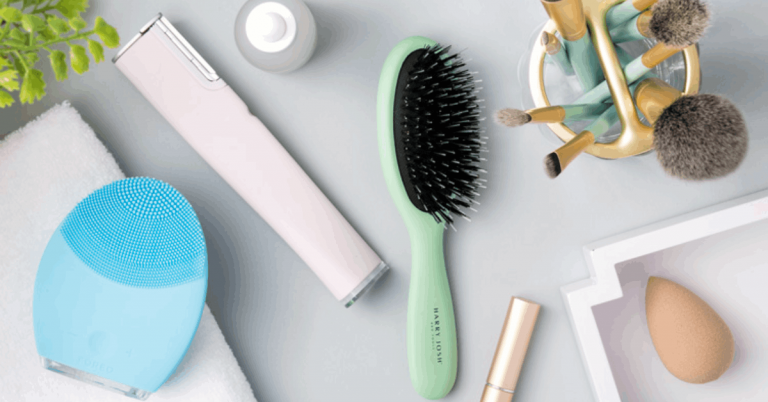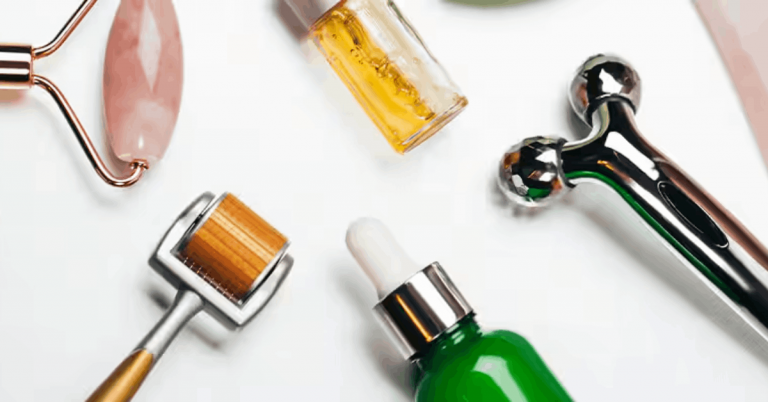
A durable tool earns its place quietly. It works after novelty fades, cleans without drama, and does not complicate your morning. Beauty tools you don’t need to replace often are made for ordinary daily use, not a dramatic photo.
This guide is for anyone tired of cracked handles, bent bristles, or rebuying poorly made basics. You do not need a luxury collection. Own fewer tools that feel comfortable, last sensibly, and keep your routine easy. That approach makes it easier to notice which items truly suit your habits.

Buy for the Part You Touch Every Day
When a tool looks attractive but feels awkward in your hand, it will not earn regular use. Check the handle, grip, seams, springs, and the parts that meet your hair or skin. Physical comfort is a better clue than fancy packaging.

Think about how the item will live at home. A hair-trapping brush, a trimmer that cannot dry, or lost tweezers become frustrating before they break. Choose the one you can clean, store, and reach for without thinking twice. That small test matters more than a polished photo or sale.
A Brush Should Feel Stable, Not Disposable
A daily brush should not flex at the handle, shed pins, or scratch your scalp. Check the base, pad, pin tips, and whether hair can be removed easily. Look for pins that return neatly rather than spreading apart. A solid build matters more than a trendy finish.
The Denman D3 Original Styler 7 Row is an official example to compare for detangling, blow-drying, styling, and curl definition. Check its intended use before buying. A good brush should match your texture and routine, not force hair into a method that feels unnatural.
Choose Tools That Let You Replace the Small Part
Long-lasting care is not only about thick handles or metal bodies. It also depends on whether a worn blade, pad, or head can be changed without replacing the device. Those small pieces wear first, even when the main tool remains sound. Replaceable parts often mean better long-term value than a low price.
Not every refill system is worth it. Check replacement-part availability and cost before buying, especially for a weekly tool. See whether the brand lists parts by model number and whether local retailers carry them. A device becomes inconvenient when its maintenance part is harder to find than a new product.
Rechargeable Trimmers Need an Easy Maintenance Path
A rechargeable trimmer can reduce disposable razors when you can clean the cutting area and find replacement blades or guards. Look for clear care instructions, accessible parts, and storage that lets moisture escape. Notice whether hair collects near the head. Simple upkeep keeps a useful tool usable.
The Philips Norelco OneBlade Pro 360 Face + Body is an official example to review when comparing rechargeable grooming options. Check accessories, cleaning directions, availability, and replacement needs. Buy it only if it fits the areas you groom and the routine you can maintain.
Metal Tools Last Longer When You Treat Them Like Tools
Tweezers, brow scissors, eyelash curlers, nail clippers, and files are easy to overlook, yet can last for years. Their weak point is usually misalignment, corrosion, or rough storage. A protective sleeve can keep delicate tips from rubbing together. Clean edges and dry storage keep them dependable.
Choose pieces that close evenly and feel balanced in your hand. A pinching tweezer, lash-catching curler, or nail-crushing clipper is not “good enough” because it still works. These tools make grooming slower, less precise, and more irritating.
Keep Them Out of the Damp Drawer
Bathroom steam sits on metal surfaces after you leave. Wipe small grooming tools dry, then keep them in a pouch, cup, or divided tray away from the sink. A dry resting place prevents avoidable wear.
You do not need strong chemicals after every use. Follow care directions, remove residue, and let the tool dry fully. In a shared home, keep personal items separate. Clean tools are easier to maintain when everyone knows what belongs to them. It also prevents mix-ups when two tools look identical.
Clean What You Own Before Buying More
A hair-filled brush may seem worn out when it needs cleaning. The same is true for trimmer heads, dryer filters, makeup tools, and reusable pads. Routine cleaning shows whether the tool is failing or neglected.
Remove hair and debris, then clean according to maker directions. Avoid soaking wood, trapping water in electric parts, or using harsh products on soft pads and finishes. Let everything dry before it goes back into a drawer, case, or bag.
A Five-Minute Reset Prevents Duplicate Purchases
A quick monthly check can stop you buying a second version because you cannot find, clean, or remember the first. Keep the reset short and focus on items you touch. Small maintenance makes replacement decisions clearer.
- Remove hair from brushes and combs.
- Wipe metal tools and dry them fully.
- Check blades, pads, cords, and handles.
Then sort tools into three groups: working well, needing a small part, and genuinely finished. A cracked case, loose cord, rusted edge, or uneven heat needs attention. Residue or a dull surface may only need cleaning, not shopping.
Keep the Details That Save You Money
Receipts, model numbers, warranty emails, and a label photo feel unimportant until you need a part. Save them in one phone folder or note. Add the purchase month so you can judge whether a warranty still applies. Purchase records make support and replacements easier.
You do not need a spreadsheet for every hair tie. Keep records for higher-cost tools, rechargeable devices, mirrors, and replaceable products. This habit can prevent buying the wrong refill or replacing something still under warranty.
Also Read: How to Build a Low-Maintenance Skincare Routine
Use Wear, Not Boredom, as the Replacement Signal
A tool may be finished when it becomes unsafe, unreliable, or uncomfortable: a broken cord, sharp edge, pulling blade, scraping brush pins, or unpredictable motor. Those are practical replacement reasons. Visible damage is a better guide than the urge for something new.
Before checkout, ask whether the item will solve a real problem next year or only update the drawer today. Start with what is failing, maintain what works, and wait on the rest. Beauty tools you don’t need to replace often are chosen carefully, used gently, and kept working.