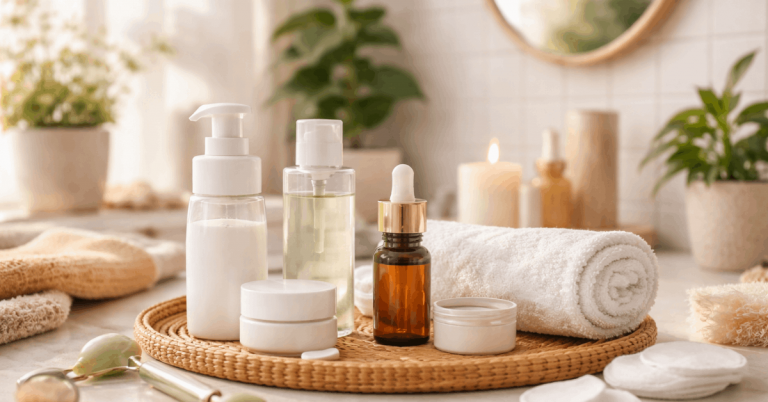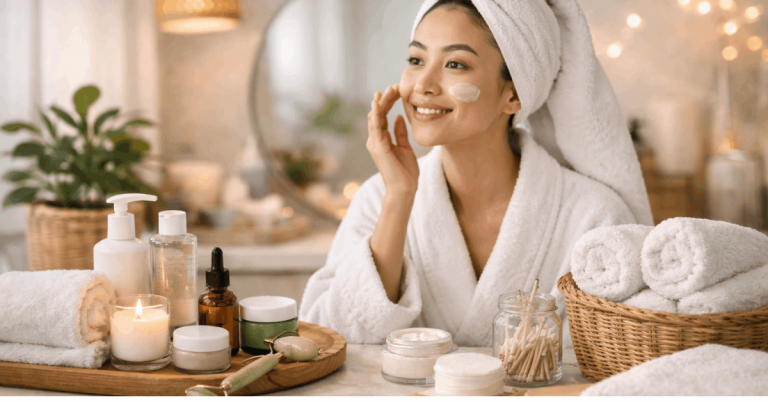
Healthy skin does not need to look poreless, perfectly even, or permanently glowing. It should feel comfortable most days and recover after ordinary stress. How to improve skin health naturally starts with steady daily habits, not dramatic promises.
This guide is for anyone tired of switching products, copying viral routines, or treating every blemish as an emergency. It focuses on simple care, realistic expectations, and signals that need attention. It also shows how to make changes without treating your face as a constant experiment. The aim is less routine pressure and more useful observation.

Read Your Skin Before You Change It
Before replacing products, notice patterns for a week. Does skin feel tight after washing, shiny by noon, red after a new formula, or rough during dry weather? Take a simple note if you need help remembering what changed and when. Repeated signals matter more than one difficult day.
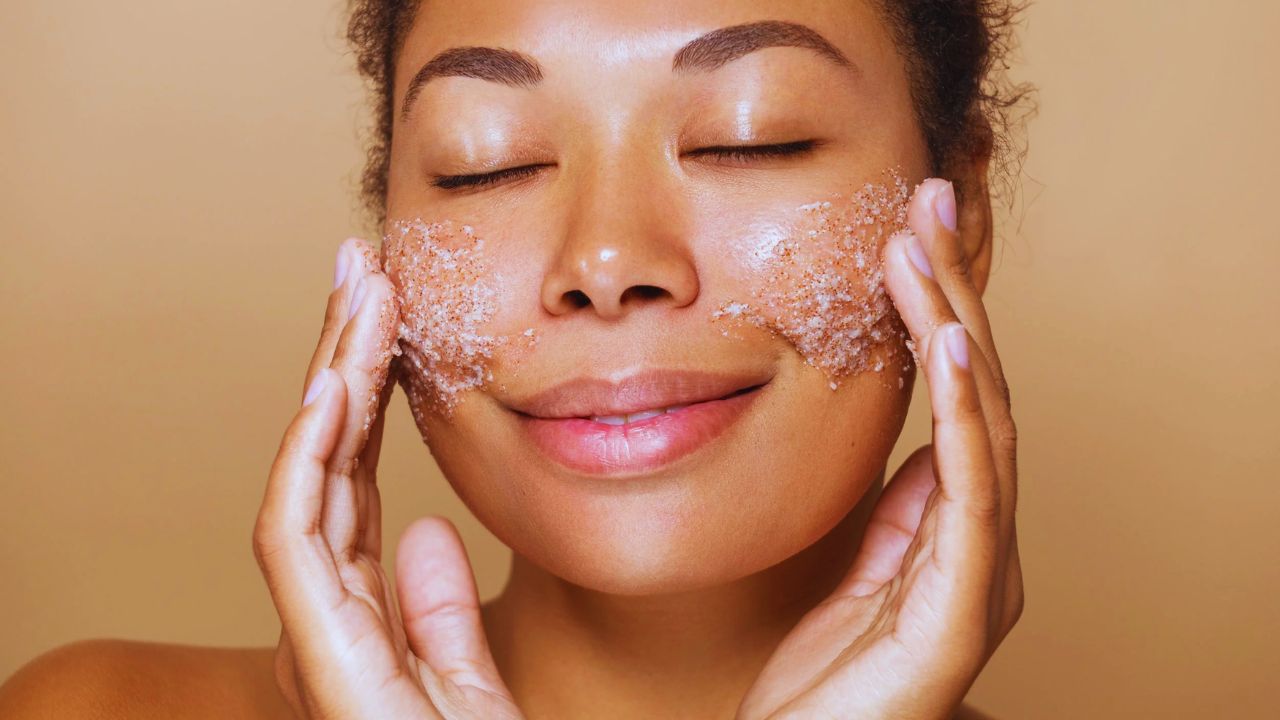
Pores, fine lines, occasional spots, and natural shine are normal. Focus on comfort instead: constant burning, cracking, severe itch, and painful breakouts deserve attention. Daily comfort is more useful than instant perfection.
Let Daily Basics Carry the Routine
A short foundation is usually enough: gentle cleansing when needed, moisture that feels comfortable, and sun protection before daytime exposure. These steps give you a base before masks, treatments, or a new ingredient. That foundation also makes it easier to see when an extra product is truly useful. Basic consistency beats constant experimentation.
Put essentials where you will use them. A cleanser by the sink, moisturizer near your toothbrush, and sunscreen by your keys can reduce skipped steps. Easy placement supports repeatable care on busy mornings and tired evenings.
Cleanse Without Chasing a Squeaky Finish
Cleansing should remove sweat, sunscreen, makeup, and surface grime without leaving your face hot or tight. Use lukewarm water and light fingertips. Rubbing with a towel or washing repeatedly can undo the benefit of a gentle formula. Gentle cleansing protects post-wash comfort.
The CeraVe Hydrating Facial Cleanser is an official example to review if you prefer a non-foaming texture. Compare ingredients, directions, size, and price. A calm finish beats a dramatic lather.
Moisture Can Be Light
Moisturizer is not only for dry skin. Oily or combination skin may still feel uncomfortable after strong cleansing or acne treatments. Gels, lotions, and lightweight creams can all work. Light hydration supports a steadier feel.
Start with a small amount, then adjust. If skin becomes shiny, check the texture, amount, and layered products before dropping moisturizer entirely. Air-conditioning, weather, and acne medication can change what feels comfortable from week to week. Zone-by-zone care can work better than one rule everywhere.
Support Your Skin Away From the Sink
Skin reflects more than skincare. Poor sleep, stress, dehydration, smoking, and repeated sun exposure may affect how it feels or reacts. No single food or drink fixes skin overnight. That includes not expecting a single supplement, juice, or “skin food” to do the work of ordinary care. Lifestyle patterns deserve a place in the picture.
Choose what you can maintain: regular meals, water when thirsty, movement you enjoy, and enough rest to feel functional. Avoid blaming one food for every breakout. Small routines tend to outlast strict plans.
Protect the Progress You Are Trying to Make
Sun exposure can deepen the appearance of uneven tone and make recently treated skin feel more reactive. Protection works best when it becomes part of getting dressed. Everyday protection becomes easier as an ordinary habit.
Keep it practical: apply near good light, use shade or a hat outside, and keep a backup where it helps. Reapply according to the product directions and your actual time outside. You do not need to plan your day around sunlight. Real-life planning works better than all-or-nothing rules.
Make Sun Protection Wearable
The sunscreen you use is usually the one that feels acceptable on your skin. Eye sting, pilling, a visible cast, or a greasy finish can make a good habit hard to repeat. Wearable protection supports consistent mornings.
EltaMD UV Clear Broad-Spectrum SPF 46 is an official example to compare for acne-prone, combination, or oily skin. Check ingredients, finish, price, and availability. Daily comfort belongs beside the protection claim.
“Natural” Does Not Always Mean Gentle
Plant-based, handmade, or fragrance-rich products can still irritate skin. Essential oils, citrus juice, rough scrubs, and heavy fragrance may be difficult for sensitive faces. Ingredient awareness matters more than a marketing label.
Patch-test new products when appropriate, and stop using anything that burns or creates a rash. Kitchen mixtures can be inconsistent, especially on broken, infected, or severely inflamed skin. Skip lemon juice, baking soda, toothpaste, and coarse sugar scrubs. Slow improvement is safer than a harsh shortcut.
Also Read: Beauty Tools You Don’t Need To Replace Often: A Smarter, Low-Fuss Routine
Use a Short Weekly Check
A weekly review prevents random changes. Think about comfort, dryness, new products, and what you actually used. It is a quick way to see what should stay, pause, or be simplified. Use this reset: A short check-in keeps small problems visible.
- Wash makeup tools and pillowcases.
- Check neglected or expired products.
- Notice one change in skin comfort.
Then pick one adjustment for the next week. Use less cleanser, pause a new active, or add moisturizer after a shower. Keep the change small enough to identify what improved and what did not. One clear adjustment gives better feedback than a reset.
Know When Outside Help Is the Better Choice
Natural habits support ordinary care, but they cannot address every concern. Painful acne, spreading rashes, persistent itching, sudden swelling, or a worrying spot should be assessed. Persistent symptoms deserve individual advice.
A dermatologist or qualified clinician can help when basics have not settled an issue or the cause is unclear. Bring notes about products, timing, and symptoms. Useful support can prevent more trial and error.
Keep the Next Step Small
Healthy-looking skin often comes from ordinary actions repeated: gentle cleansing, comfortable moisture, sun protection, clean fabrics, and fewer impulsive changes. Choose what you can finish most days. Repeatable habits create a calmer baseline.
For the next week, use lukewarm water, stop rubbing with a towel, apply sunscreen before leaving, or reduce a harsh active. Notice whether your face feels calmer, not simply whether it looks different under bright light. How to improve skin health naturally becomes clearer when observation replaces hype.