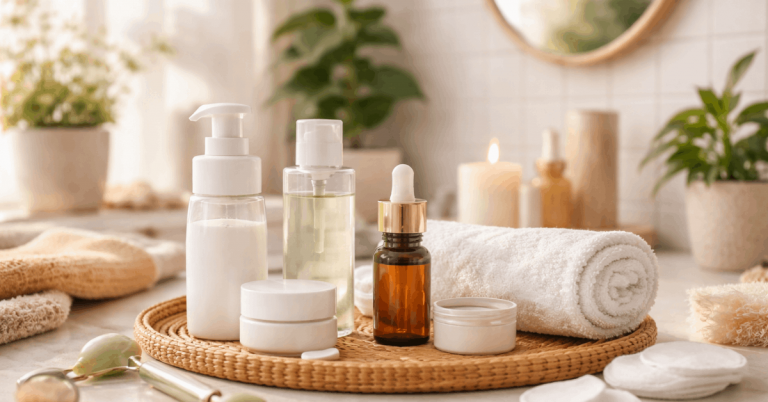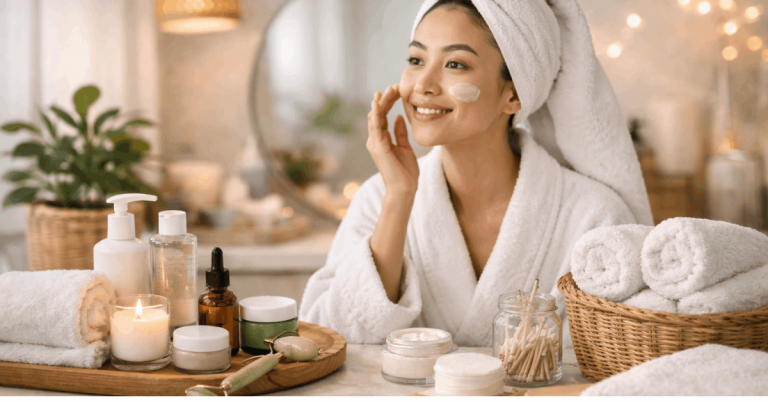
A low-maintenance skincare routine is not careless. It is built around steps you can manage before work or after a late shower, even when your energy is low. A low-maintenance skincare routine keeps the daily essentials close and removes extras that create doubt.
It suits beginners, busy people, and anyone whose skin becomes unsettled after frequent product changes. You need a clear reason for every item, plus enough consistency to notice when something stops feeling right. Less decision-making leaves more room for observation.

Begin With a Routine You Can Repeat
Start with cleansing when needed, moisture that feels comfortable, and daytime sun protection. That covers what most faces need without forcing a complicated order or a new delivery every month. For many people, it takes only a few minutes. Repeatable basics are easier to maintain than an ambitious routine.

Look at the hours you have. A person who wears makeup daily may need a fuller evening cleanse, while someone with dry skin may prefer a morning rinse. Follow your day-to-day habits and your skin’s response, not someone else’s shelf or timeline.
Keep Cleansing Gentle and Useful
Cleansing should take off sunscreen, makeup, sweat, and surface buildup without leaving your face squeaky, hot, or tight. Use lukewarm water and fingertips, not a harsh cloth. Pat dry rather than rubbing. Comfort after cleansing matters more than a dramatic lather.
The Vanicream Gentle Facial Cleanser is one official option to compare if you prefer a mild daily face wash. Check ingredients, directions, size, and price. It should fit your skin’s tolerance and your budget, not simply sound gentle online.
Make Moisture Feel Manageable
Moisturizer does not have to be thick or greasy. Lotion, gel cream, cream, and balm textures can work depending on climate, skin type, and makeup. Apply a small amount first; adding more is easier than removing it. Comfortable hydration supports a steadier routine.
Oily skin may feel tight after strong cleansing or acne treatments, while dry skin may need more support around the cheeks and mouth. Let areas have different amounts. Zone-by-zone attention prevents unnecessary product layering and can help makeup sit more evenly.
Let Sun Protection Be Wearable
Sun protection is easier to use when it works under makeup, does not sting the eyes, and feels acceptable by midday. A formula you avoid because it pills, leaves a cast, or feels sticky will stay in a drawer. Wearable protection turns a good intention into a repeatable habit, especially on workdays.
Eucerin Clear Skin SPF 50 Face Sunscreen is an official example to compare if you want sunscreen for oily or acne-prone skin. Read directions, ingredients, and availability. Treat any product as a comparison point, not a universal answer. Keep it near your keys or makeup bag.
Add New Products Slowly, Not All at Once
A routine becomes hard to understand when you introduce a serum, acid, mask, cleanser, and moisturizer in one week. If skin reacts, you cannot tell what caused it. One product at a time gives clearer feedback.
This matters most with exfoliants, retinoids, spot treatments, and fast-result claims. Follow directions, begin less often if appropriate, and avoid stacking strong actives on one night. Lasting comfort matters more than a dramatic feeling. Use fewer actives on unsettled nights.
Use a Short Weekly Check
Once a week, notice what you used, skipped, and what made skin uncomfortable. This is a small pause, not a detailed project. It stops every pimple or dry patch becoming an emergency. A short review keeps your routine honest.
- Wash makeup tools and pillowcases.
- Check products that smell or look different.
- Pause one product if skin feels irritated.
Then choose one adjustment: use less cleanser, pause an active, or moisturize after showering. If something causes burning, swelling, a spreading rash, or painful bumps, stop using it. Clear reactions deserve a calm response, not a new purchase or another treatment that night.
Change Texture Before You Change Everything
Weather, indoor heating, swimming, travel, stress, and poor sleep can shift how skin behaves. That does not require a new product line. Try a lighter texture in humidity or a richer night layer. Small seasonal changes are easier than a full reset, and often one texture swap is enough.
A routine needs room for rough weeks. When skin feels reactive, use fewer products for a few days rather than adding treatment. It has not failed because it becomes simpler. Flexible care is part of long-term consistency.
Keep Tools Optional and Calm
A clean headband, soft reusable pad, or cool compress can make a routine more pleasant. They are extras, not requirements. Anything that leaves redness, scraping, or soreness deserves a second thought. Gentle contact matters more than extra intensity, including tools marketed as sculpting or polishing.
Clean tools and let them dry before storage. Skip extraction devices, sharp tools, and scrub brushes when skin is peeling, inflamed, or tender. A tool that stays unused may not deserve permanent space. Simple equipment supports simple habits. A clean washcloth often covers ordinary cleansing.
Also Read: How to Care for Your Skin Without Overdoing It
Know When Basics Are Not Enough
Low-maintenance care can support mild dryness, occasional oiliness, and routine maintenance. It cannot diagnose a rash, painful acne, sudden swelling, or an allergy. Notice what persists after simplifying. Persistent symptoms call for individual guidance. Do not self-treat worrying changes indefinitely.
A dermatologist or qualified clinician can help with ongoing itch, spreading irritation, painful breakouts, infection, bleeding, or a changing mole. Bring products and symptom timing. This can reduce trial and error. Photos can help when changes come and go. Outside support can be the practical next step.
Leave Room for Real Life
A reliable skincare routine is quiet. It removes the day, supports comfort, and protects skin without needing an ingredient degree. Keep products you tolerate, change one thing when there is a reason, and accept that not every day looks identical. Reliable basics make real life easier. The goal is care that feels supportive, not demanding.
For the next seven days, choose one action: use cooler water, wash a makeup brush, apply sunscreen before leaving, or pause a product that stings. Watch how your face feels instead of chasing a mirror-perfect result. A low-maintenance skincare routine works when you can keep doing it. Let comfort, not constant evaluation, be the result.