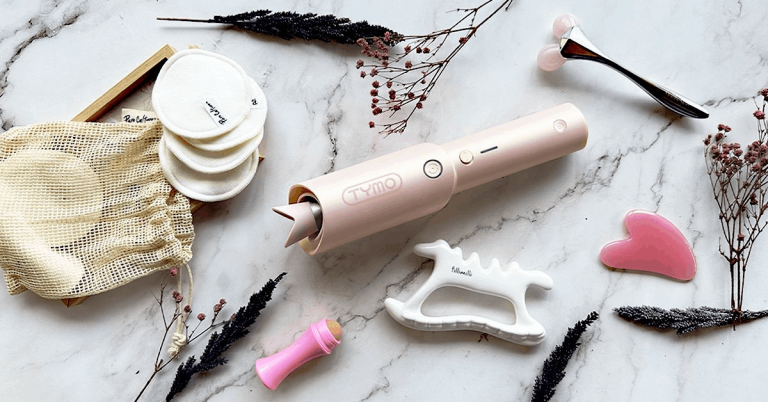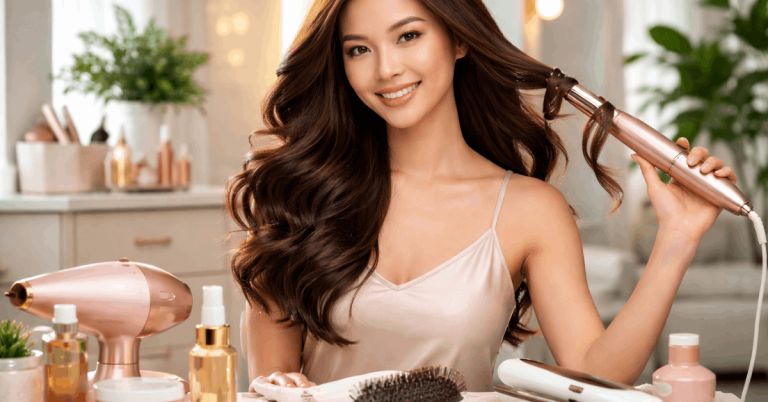
Hair tools can be useful, but they often lead to long-term hair problems. Learning how to avoid hair damage from tools is essential for maintaining healthy hair and achieving better styling results.
Many tools weaken the hair cuticle, causing dryness, breakage, and split ends. This article offers practical advice that helps you use these tools smarter, not harder.
Understanding the Damage
Many people don’t realize how much tools affect their hair. Frequent use of heat and poor technique can lead to irreversible dryness and split ends.
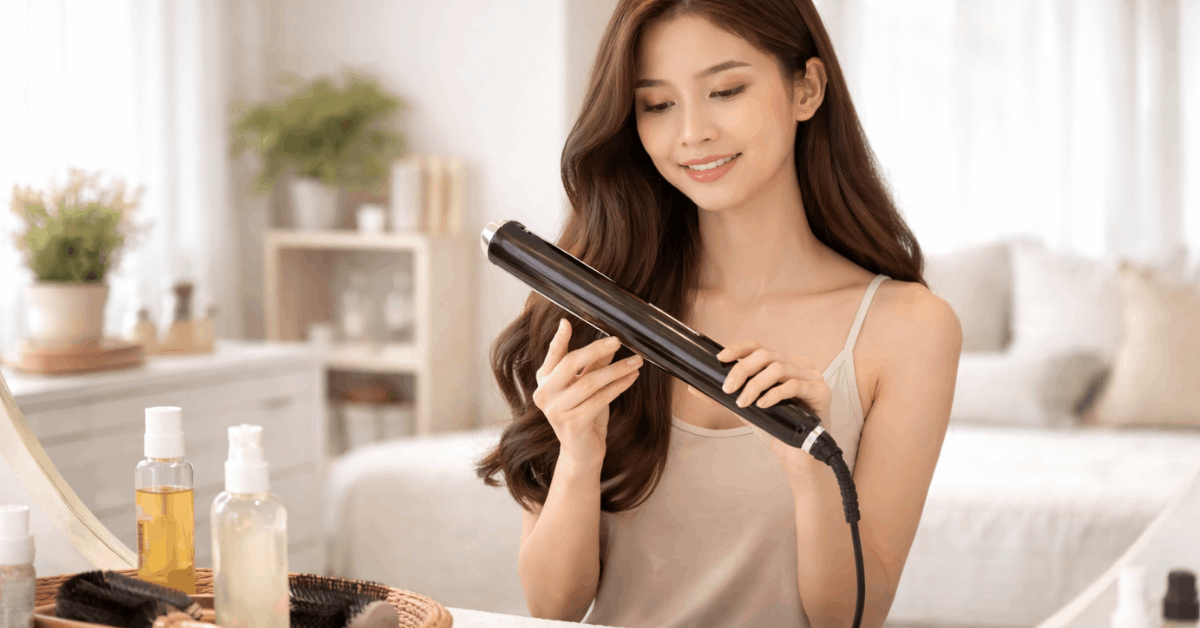
Heat Damage Explained
Excessive heat strips the natural moisture from your strands. It weakens the hair shaft and leads to frizz and brittleness.
Using tools without protectants increases this effect. Always keep the temperature controlled to reduce damage. Learn more from the American Academy of Dermatology.
Mechanical Damage
Tools like brushes and combs can cause breakage if used aggressively. Pulling through tangles damages the hair fiber and root.
Wet hair is especially vulnerable to mechanical stress. Avoid harsh bristles and tight combs.
Signs Your Hair Is Damaged
Look for split ends, dullness, or uneven texture. These signs point to repeated overuse of tools.
Breakage while brushing is another key indicator. Acting early can prevent further damage.
Understand Your Hair Type First
Before using any hair tools, know what your hair can handle. Different textures require different methods of care.
Hair Texture & Tool Compatibility
Curly or coily hair needs gentle, wide-tooth combs and lower heat settings. Straight or fine hair may tolerate more heat but is prone to flattening.
Choosing tools that match your texture reduces the risk. Understanding compatibility avoids unnecessary breakage.
Porosity Awareness
Low-porosity hair takes longer to absorb moisture and is heat-sensitive. High-porosity hair gets dry fast and may need sealing products.
Knowing your porosity helps you prep your hair correctly before styling. This reduces dependence on extreme heat. For more details, see NaturallyCurly’s porosity guide.
Density and Volume Considerations
Thicker hair often requires sectioning and higher heat to style effectively. Thin hair should avoid high temperatures and aggressive brushing.
Using appropriate settings makes styling quicker and safer. Volume also affects which tools work best.
Smart Heat Use and Why It Matters?
Minimizing heat exposure will preserve your hair’s health. The right usage helps you avoid common styling mistakes.
- Always apply a heat protectant spray before using heated tools.
- Use tools with temperature controls to avoid overheating.
- Avoid using flat irons or curlers daily.
- Keep the temperature under 350°F for fine hair and under 400°F for thick hair.
These tips lower the risk of dryness and reduce repeated trauma to the hair shaft. Even small adjustments can lead to healthier, shinier results over time.
Select the Right Tools
Choosing tools wisely makes a big difference. Some materials are safer and more effective.
- Use ceramic or tourmaline-coated tools to distribute heat evenly.
- Choose ionic dryers to reduce frizz and minimize heat exposure.
- Avoid old or damaged devices with faulty plates or worn bristles.
- Prefer brushes with soft boar bristles for gentle detangling.
Investing in quality tools supports your daily routine and prevents long-term damage. Low-quality tools are one of the top contributors to unintentional hair harm.
Brushing Techniques That Protect
Proper brushing can reduce friction and breakage. Always use techniques that respect the structure of your hair.
- Begin brushing at the ends and work up to the roots.
- Use detangling sprays on dry or damp hair for smooth passes.
- Avoid brushing wet hair unless using a special wet brush.
- Never force the brush through tangles; detangle slowly.
These small steps preserve the hair strand and reduce pull on the scalp. Consistency in this area builds stronger, more resilient hair over time.
Better Blow Drying Practices
Improving your blow-drying habits can stop a lot of damage. The wrong method leads to overheating and split ends.
- Hold the dryer six inches away from your scalp.
- Use medium or cool settings whenever possible.
- Always attach a nozzle or diffuser to control heat direction.
- Dry in motion, never focus heat on one section too long.
These habits allow styling without sacrificing health. They also result in a better overall look and longer-lasting styles.
Tips for Curling and Straightening Safely
Take care when using flat irons and curling tools. They often cause the most intense heat exposure.
Proper Usage Rules
Always make sure your hair is 100% dry before styling. Never iron over damp areas. Use smaller sections to avoid multiple passes. Only go over each section once or twice.
Temperature Control and Time
Don’t leave the tool in one place for more than 3 seconds. Avoid using the highest temperature setting. Take your time, but don’t apply too much pressure.
Reduce Frequency
Limit use to 1–2 times per week. Focus on no-heat hairstyles during off-days to let your hair rest. Use protective sprays every time to form a barrier between the hair and heat.

Nighttime Protection Matters
Preserve your hard work while you sleep. Nighttime habits make a big difference.
- Sleep on satin or silk pillowcases to reduce friction.
- Tie your hair loosely or use protective caps or bonnets.
- Avoid sleeping with tight hairstyles like buns or ponytails.
- Rehydrate with a light leave-in conditioner before bedtime.
This nightly care prevents overnight breakage. It’s also essential for keeping styled hair looking better longer.
No-Heat Alternatives That Work
You don’t need heat to look good. Try other methods that are safer and still give great results.
- Use foam rollers or braid-outs for curls.
- Wrap your hair with a cloth or use banding techniques for stretching.
- Use styling creams, gels, or mousses for hold.
- Air-dry your hair in sections for more volume and texture.
No-heat techniques extend the life of your hair. They’re perfect for long-term protection and less frequent styling.
How to Fix Existing Damage?
If you’ve already damaged your hair, you can still take action. Recovery takes time, but it’s possible.
- Use deep-conditioning masks weekly to restore moisture.
- Trim split ends regularly to stop them from spreading.
- Reduce tool usage during repair periods.
- Switch to low-manipulation styles to reduce daily strain.
Staying consistent helps hair recover gradually. Avoid pushing it too hard during the healing phase. Consider products recommended by Cosmopolitan’s damage repair list.
Expert Advice and Suggestions
Here are tips from beauty professionals and trusted personal care routines.
- Always read product instructions for tools and sprays.
- Replace brushes and hot tools every 1–2 years.
- Choose salon-quality heat protectants with silicones or proteins.
- Ask your stylist for tool-free styling ideas suited to your hair type. You may also explore suggestions on Allure’s expert haircare guide.
Professional guidance can help personalize your routine. When in doubt, simplify your habits and prioritize hair health.
Wrapping It Up: Healthy Hair Starts With Better Habits
Taking control of your daily routine is the key to maintaining strong, beautiful hair. The second sentence reminds you that knowing how to avoid hair damage from tools gives you long-term styling freedom.
You don’t need to stop using tools altogether; you just need to use them wisely. With smart choices and simple changes, you protect your hair without sacrificing style.