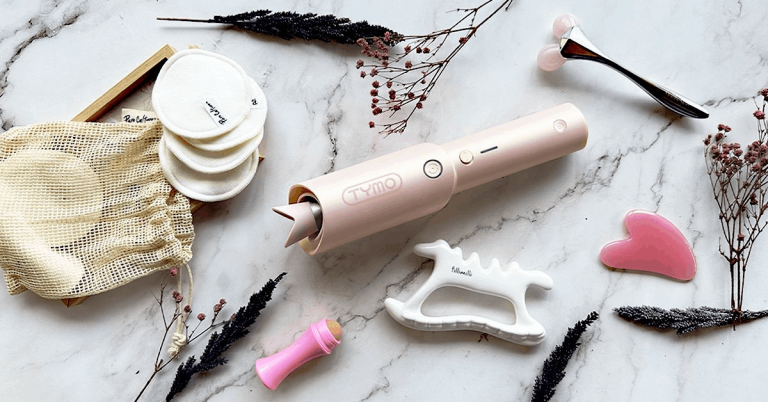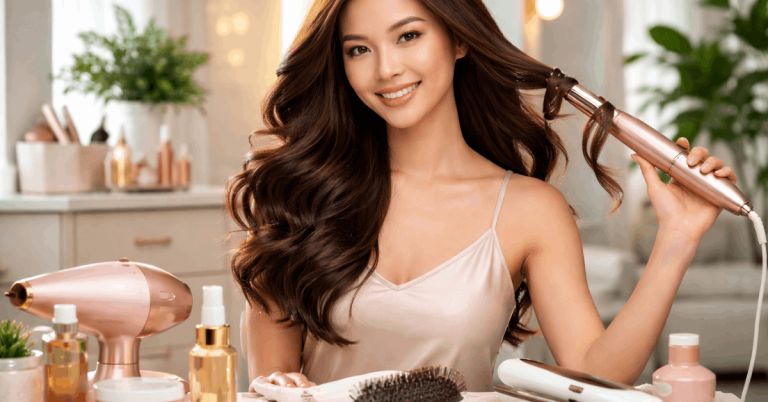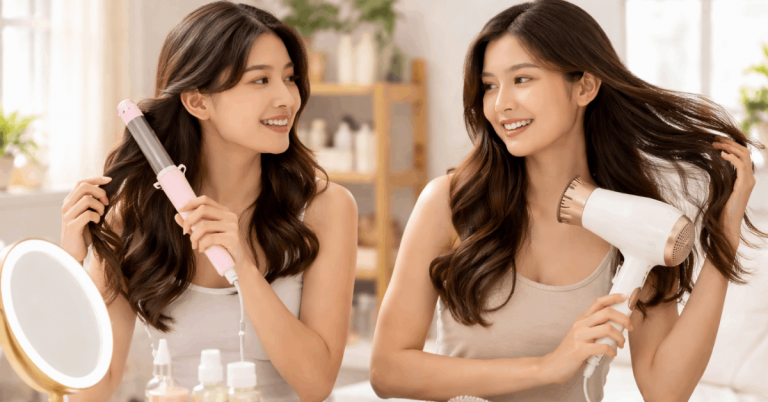
Many people rely on hot tools to create polished, styled looks. The challenge is learning how to use styling tools without heat damage to your hair.
With the right techniques, preparation, and tool choices, you can maintain healthy strands while still achieving your favorite styles. This guide explains the steps you should follow to protect your hair without giving up your go-to tools.
Understanding What Heat Damage Really Is
Heat damage can sneak up on you gradually. The signs include dullness, split ends, and brittle texture that doesn’t bounce back.
It occurs when high temperatures break down the natural protein in your hair. The result is weak, frizzy, or permanently altered hair that resists styling.
Choose the Right Tools for Safer Results
Not all styling tools are equal. Choosing safer options reduces the chance of long-term harm to your hair. You need devices that prioritize even heating and better surface material.
Look for Adjustable Heat Settings
Tools with multiple heat levels allow you to match the temperature to your hair type. If your hair is fine or damaged, lower heat settings are safer.
For thicker hair, moderate heat is enough without cranking the tool to its maximum. Adjustable heat gives you control and protection.
Choose the Right Materials
Ceramic, tourmaline, and titanium are better than bare metal. These materials heat evenly and reduce hot spots that burn your strands.
Ionic technology in dryers also helps retain moisture. The material on your tool affects performance and long-term hair health. Dyson provides a breakdown of how its heat control technology works in its advanced hair tools.
Invest in Professional-Grade Tools
Cheap flat irons and wands heat unevenly and break easily. High-quality tools last longer, are safer for hair, and provide consistent results.
Investing in better devices upfront saves money and reduces damage over time. Prioritize function over flashy designs.
Prepare Your Hair Before Styling
Your hair’s condition before heat styling affects how well it handles the process. You can’t skip prep and expect good results.
Always Apply Heat Protectant
Heat protectant sprays or creams act as a barrier. They reduce the direct impact of high temperatures on hair fibers.
Always apply a light layer before using any heat tool. Healthline explains how heat protectants work and which ones to consider.
Use on Dry Hair Only
Unless your tool is designed for wet use, never style damp hair. Water inside strands heats and expands, causing breakage.
Fully dry your hair with a towel or air-dry before styling. Blow-dryers with heat protection settings can help.
Detangle and Section First
Tangled hair won’t style evenly and can snag in tools. Use a wide-tooth comb or soft brush to detangle.
Divide your hair into sections before styling to control heat distribution. Neat sections give better results and less rework.
Best Practices When Using Heat Tools
Even the best tools can cause damage if used carelessly. Correct usage is just as important as tool quality.
Temperature Must Match Hair Type
Don’t guess your setting. Fine hair should stay under 300°F. Medium hair works well at 300–370°F. Coarse or curly types should cap at 410°F max.
Limit Passes Over Each Section
Gliding your iron over the same section repeatedly weakens the cuticle. You only need one or two passes with proper technique.
Slow, steady passes are better than rushing. Let your tool do the work without forcing it.
Don’t Stay Too Long in One Spot
Keep your hand moving while styling. Holding the tool still causes localized damage.
Be mindful around fragile areas like ends and baby hairs. Use a comb or styling guide to direct motion.
Use Styling Tools Strategically
Some readers don’t realize that limiting how often you use heat is a major form of protection. Frequency and timing matter.
Create a Weekly Low-Heat Plan
Don’t rely on heat daily. Mix in days with no styling, buns, or braids. Air-dry with leave-in conditioner on alternate days. Your hair needs breaks.
Avoid Layering Heat Tools
Using a blow-dryer, then flat iron, then curling wand in one session? That’s overkill. Stick to one heat tool per day. Combining tools increases the chance of heat stress.
Monitor Hair Health Weekly
Check for split ends and elasticity. If your hair starts feeling stiff or looking dull, cut back. Your hair gives you early signs of overuse. Listen to them.
Alternatives to Heat Styling
You don’t always need heat to create great results. There are gentler techniques that keep your hair healthy.
Try Heatless Curl Methods
Use braids, twists, or flexi rods overnight. These methods don’t expose your hair to high temperatures. You get volume and waves while sleeping. It’s easy and safe.
Air-Drying with Product Help
Apply curl-enhancing creams or leave-ins after washing. Scrunch or plop your hair and let it air-dry.
Use clips at the crown for volume. Results vary, but require no heat at all.
Use Styling Tools Without Heat Damage
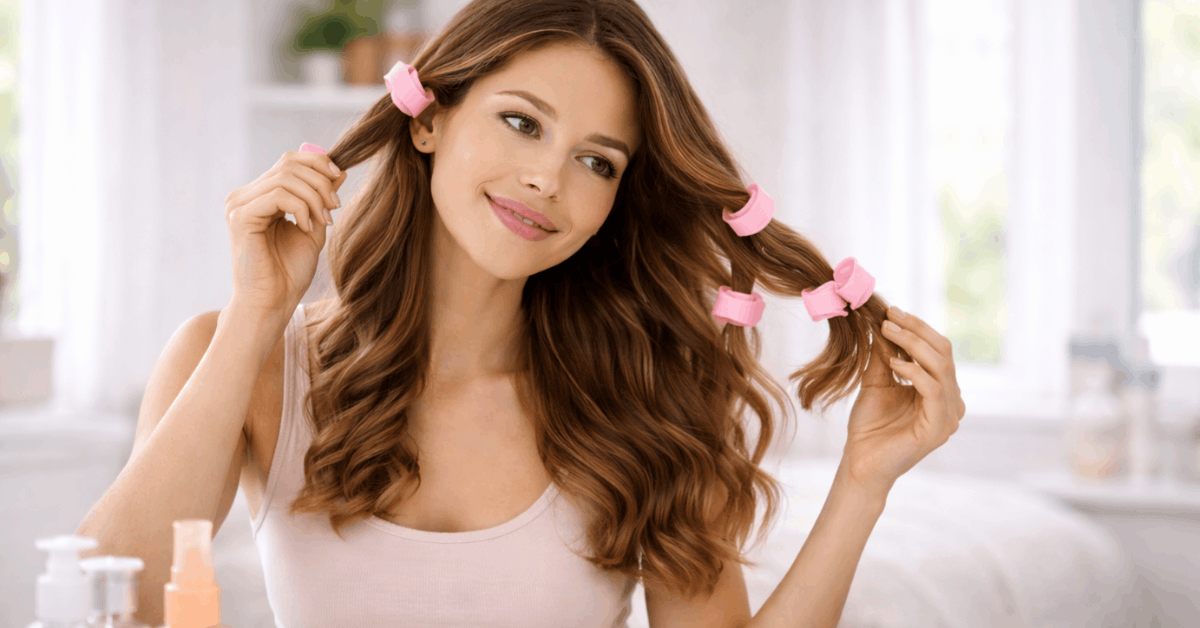
Certain tools like velcro rollers, sponge rods, and silk wraps work without electricity. These options are low-risk and budget-friendly.
Try them for special occasions or weekly resets. They take more time but protect your strands. Good Housekeeping compiled a guide to top-rated heatless styling tools you can explore.

Maintain Hair Health After Styling
Post-styling care is crucial to keeping your hair strong. Don’t stop the routine once you unplug your tool.
Deep Condition Regularly
Once a week, use a mask or deep conditioner. Look for ingredients like shea butter, keratin, and argan oil.
They help repair and soften heat-stressed hair. Leave the product on for 10–20 minutes for the best results.
Trim Damaged Ends Monthly
Split ends travel upward if not removed. Regular trims every 6–8 weeks keep hair healthy.
Even if you’re growing your hair out, this step matters. Healthy ends maintain style better.
Alternate Protein and Moisture Treatments
Too much protein makes hair stiff. Too much moisture makes it limp.
Alternate between hydrating and strengthening products. Balance leads to elasticity and shine.
Common Mistakes to Avoid
You might follow routines, but still experience heat damage. Here’s where most people go wrong.
- Skipping heat protectant or using too little
- Using high heat on fragile or fine hair
- Going over the same section more than twice
- Using dirty tools that transfer buildup
- Styling hair that still holds moisture
Recognize these habits and adjust immediately. A few changes go a long way in protecting your hair.
Stay Consistent with Smart Hair Habits
Knowing how to use styling tools without heat damage helps you protect your hair in the long run. You don’t need to stop using heat completely to stay safe.
Instead, focus on preparation, technique, and recovery care. When used correctly, styling tools can deliver great results without ruining your strands.