Your tools last longer when storage is part of your routine. If you are learning how to store beauty tools properly, focus on dryness, airflow, and quick access. Most damage comes from moisture, heat, and cluttered drawers.
The good news is you can fix this with small setup changes. You do not need a big vanity or pricey organizers. You only need clear zones and repeatable rules. Use this guide to protect brushes, heat tools, and skincare devices every day.
Brushes And Combs Need Ventilation, Not Closed Cups
Hair brushes and combs collect oil, product, and water faster than you think. If you drop them into a closed cup, moisture stays trapped.
That can soften pads, warp bristles, and create odor over time. A better approach is to store them where air can move around the head. You also want a spot that keeps bristles from being crushed. This is the simplest way to protect daily detangling tools.
Separate Dry Tools From Damp Tools First
Start by separating dry brushes from brushes that are still damp. Wood handles and cushioned pads hate long exposure to water. After use, wipe the handle and remove shed hair from the base.
If you use leave-in products, do a quick rinse on bristles only. Then pat with a towel and let it breathe instead of sealing it away. This small habit prevents hidden mildew buildup in the base.
Drying After Cleaning Is The Real Lifesaver
When you deep clean a brush, drying matters more than the soap. After rinsing, shake out the water and place it bristle side down on a clean towel. Keep it away from the shower area where steam lingers.
Do not stack brushes while they dry. In humid rooms, aim a small fan across the surface for ten minutes. You protect the bristle shape and bounce with steady airflow.
Use A Vented Brush Holder For Daily Storage
A vented brush holder is a simple upgrade that pays off fast. Pick one with open sides, wide spacing, and a wipeable base.
Place it on a shelf, not near the sink splash zone. Store brushes with the head supported to prevent bristle bending. If you share a bathroom, give each person one slot to prevent mixups. This setup keeps airflow and visibility working together.
Heat Tools Last Longer When Cords And Barrels Are Protected
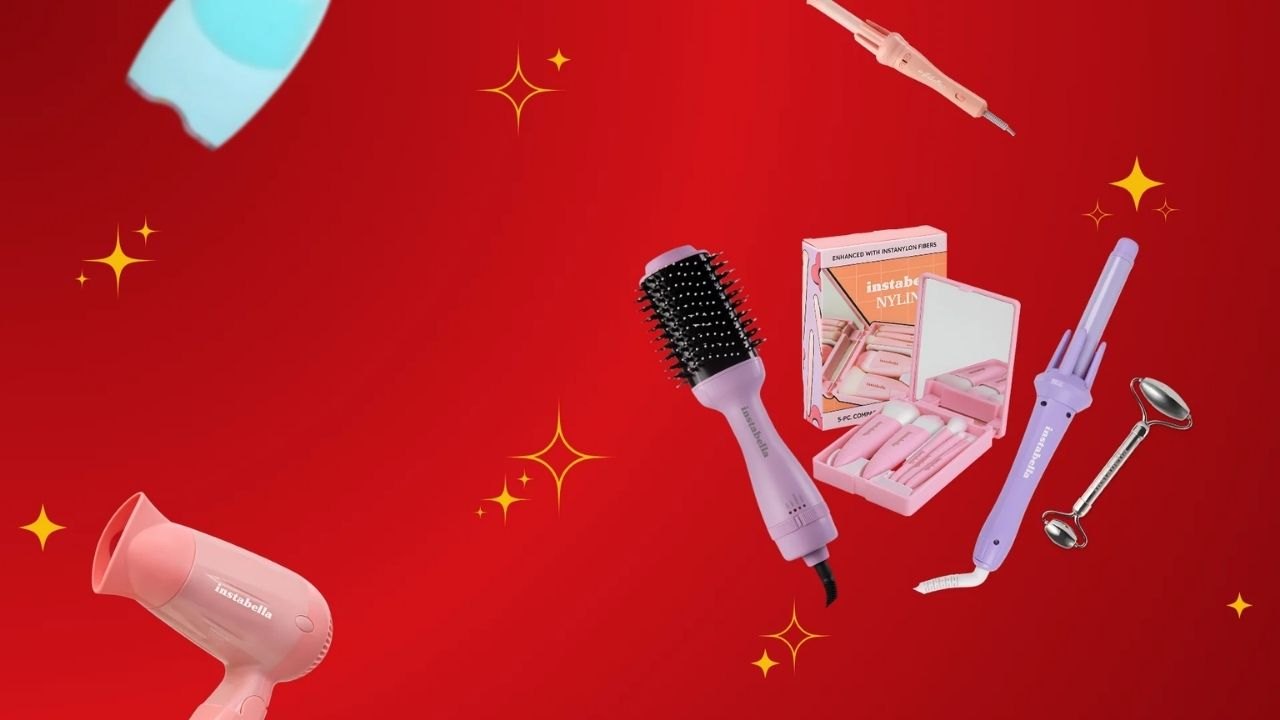
Heat tools fail early when cords are kinked, and barrels are stored hot. Even good tools wear down if you wrap cords tightly after every use.
Storage should protect the cord, the plug, and the hot surfaces around them. You also need a clear cooldown spot so you are not tempted to rush. Set one consistent location and use it every time. That routine prevents silent wear and tear.
Cord Wrapping Mistakes That Break Tools Early
Start with cord care because internal breaks happen slowly. Instead of wrapping around the handle, coil the cord in large loops. Secure it with a soft tie, not a tight rubber band. Keep the plug end relaxed so it does not bend at the strain point.
When you store multiple tools, separate cords so they do not twist together. This avoids frayed cord stress that can cause sudden failure.
Heat Safe Storage While Tools Cool Down
Never put a warm flat iron or curling wand into a drawer. Heat can soften plastics and weaken adhesives on brush handles. Create a cooldown rule, like waiting ten minutes before storing.
During that window, keep the tool on a non-flammable surface. If you have kids or pets, keep the area out of reach. That protects your space and your tools at the same time.
Use A Heat Resistant Silicone Mat As Your Cooldown Zone
A heat-resistant silicone mat makes cooldown storage simple and repeatable. Pick one with a textured surface so tools do not slide. Set it near an outlet, but away from water and toiletries.
After styling, place the hot barrel on the mat and leave it untouched. Once cool, move the tool to its drawer or caddy with the cord coiled loosely. This creates one safe landing spot you will use.
Skincare Tools Need Separation To Stay Sanitary
Skincare tools touch sensitive areas, so storage needs extra care. When face tools mix with hair tools, you transfer oils and residue.
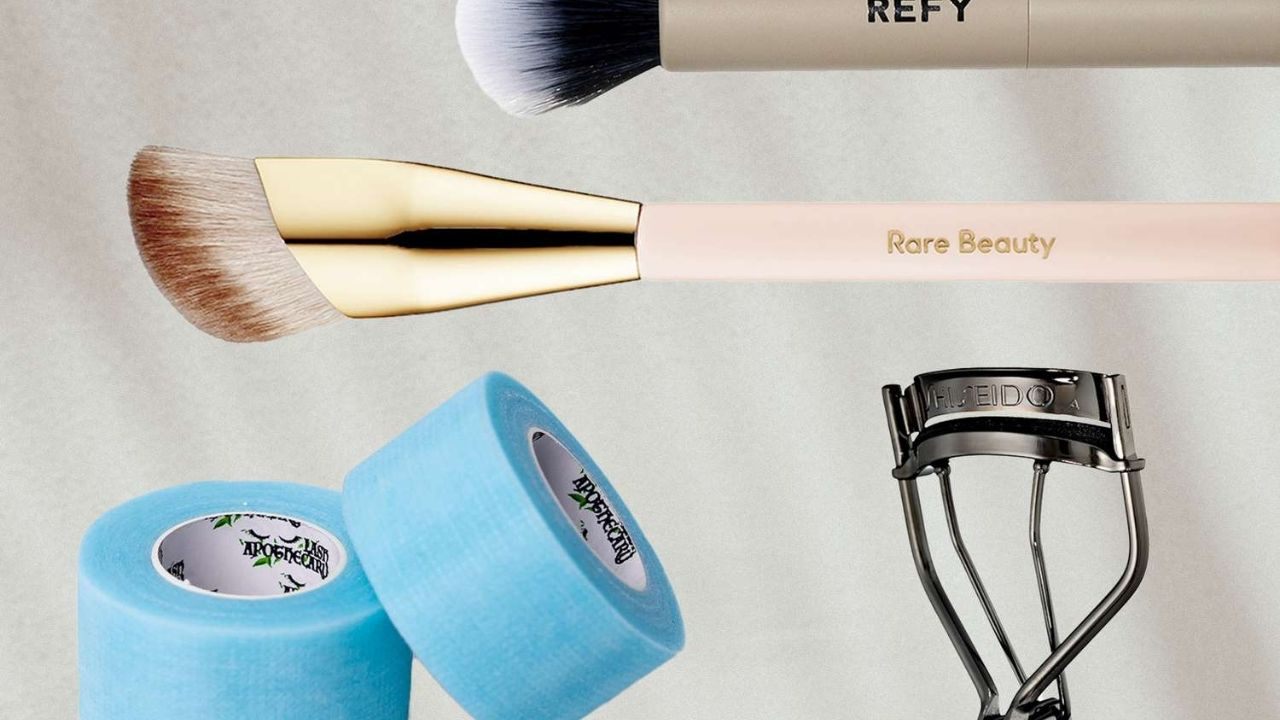
That can lead to irritation, breakouts, and an urge to over-scrub. The safest system keeps skincare tools in a separate zone with clean surfaces. It also makes cleaning feel straightforward, not like a big chore. Think of it as a skin-friendly organization.
Keep Face Tools Away From Hair And Makeup Tools
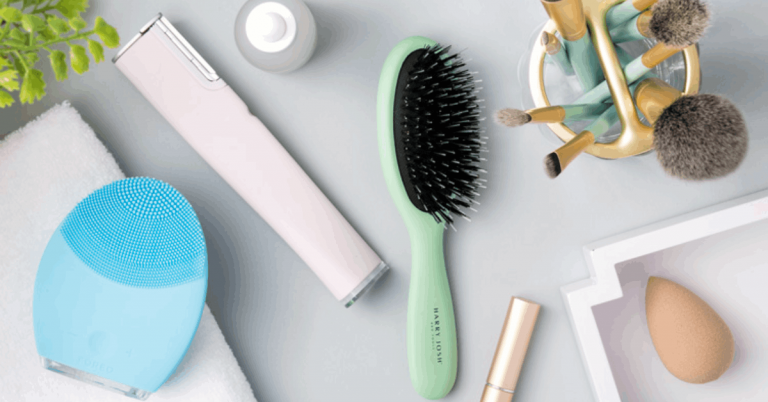
Start by deciding which tools are truly skincare tools in your routine. That includes facial cleansing brushes, silicone pads, and reusable applicators. Store them away from hair products, because aerosols and oils can coat surfaces.
Use a small tray or bin that is easy to rinse and dry. If you store items in a cabinet, choose one shelf and keep it consistent. This reduces cross-contamination risk without adding effort.
Simple Sorting Prevents Mixups During Busy Mornings
Mix-ups happen when tools look similar and mornings are rushed. Use simple labels like face, hair, and nails on containers or trays. If you prefer a cleaner look, color-code with stickers.
Keep single-use items apart from reusable ones, so you do not grab the wrong ones. If a tool is damp, place it in a drying spot, not the main bin. These cues protect your skin barrier over time.
Use Google Keep To Make Cleaning Feel Automatic
Storage works best when cleaning is scheduled, not guessed. Google Keep is useful because you can set repeating reminders in seconds. Create a note called Skincare Tools and add a short checklist.
Include quick rinses, weekly washes, and monthly deep cleaning for devices. When the reminder appears, clean the tool and return it to its original position. That loop builds clean tools with less thinking.
Makeup Brushes Stay Better When You Store Them By Use
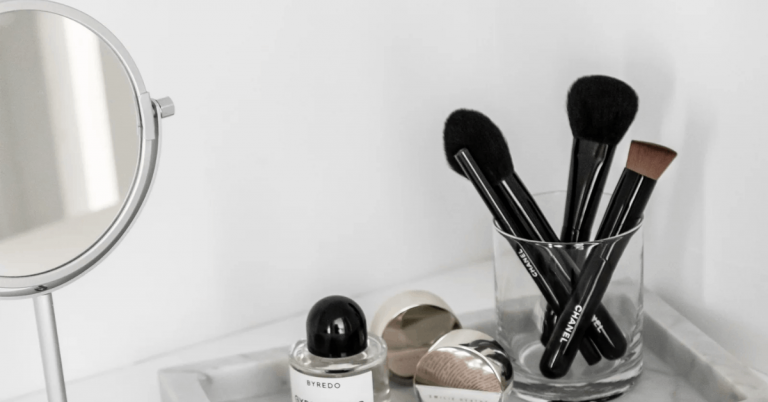
Makeup brushes last longer when they are stored properly, not piled together. When bristles rub against hard edges, they fray and lose shape.
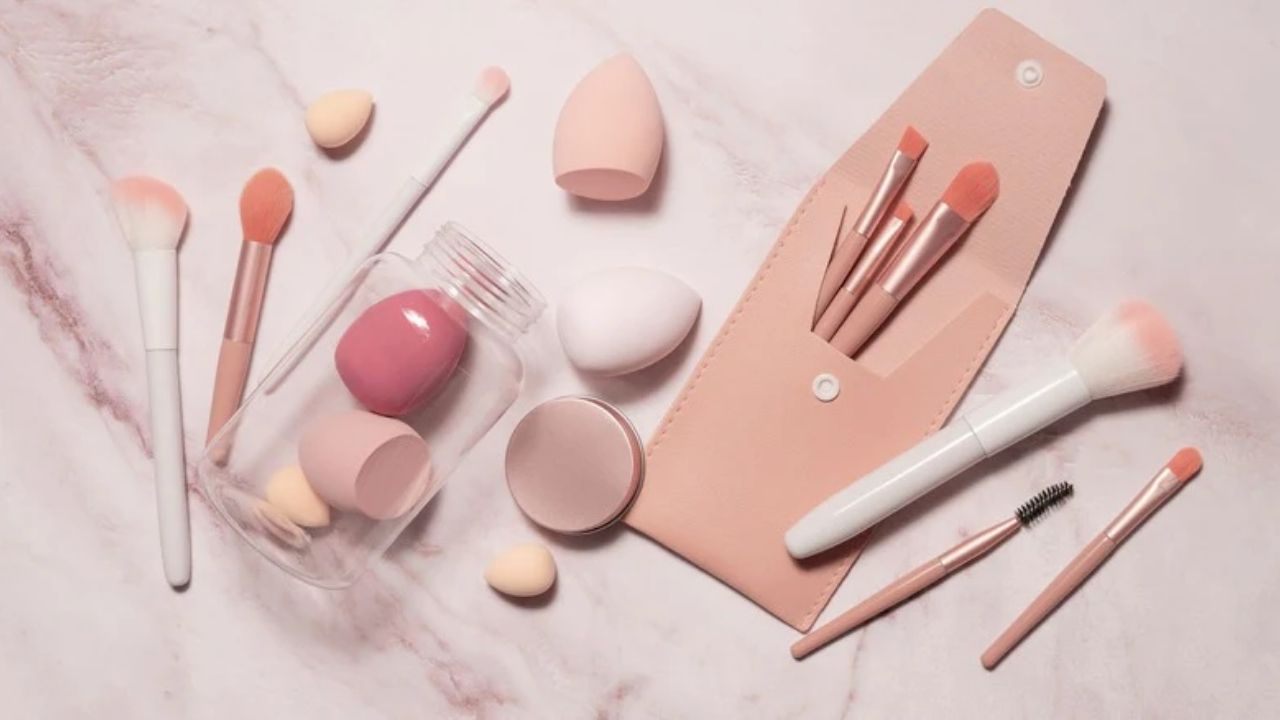
Dust and bathroom humidity can also make brushes feel dirty faster. Your goal is to keep them upright, protected, and easy to grab.
If storage is inconvenient, you may skip it and accidentally damage the brushes. A simple system supports quick makeup mornings.
Separate Face Brushes From Eye Brushes
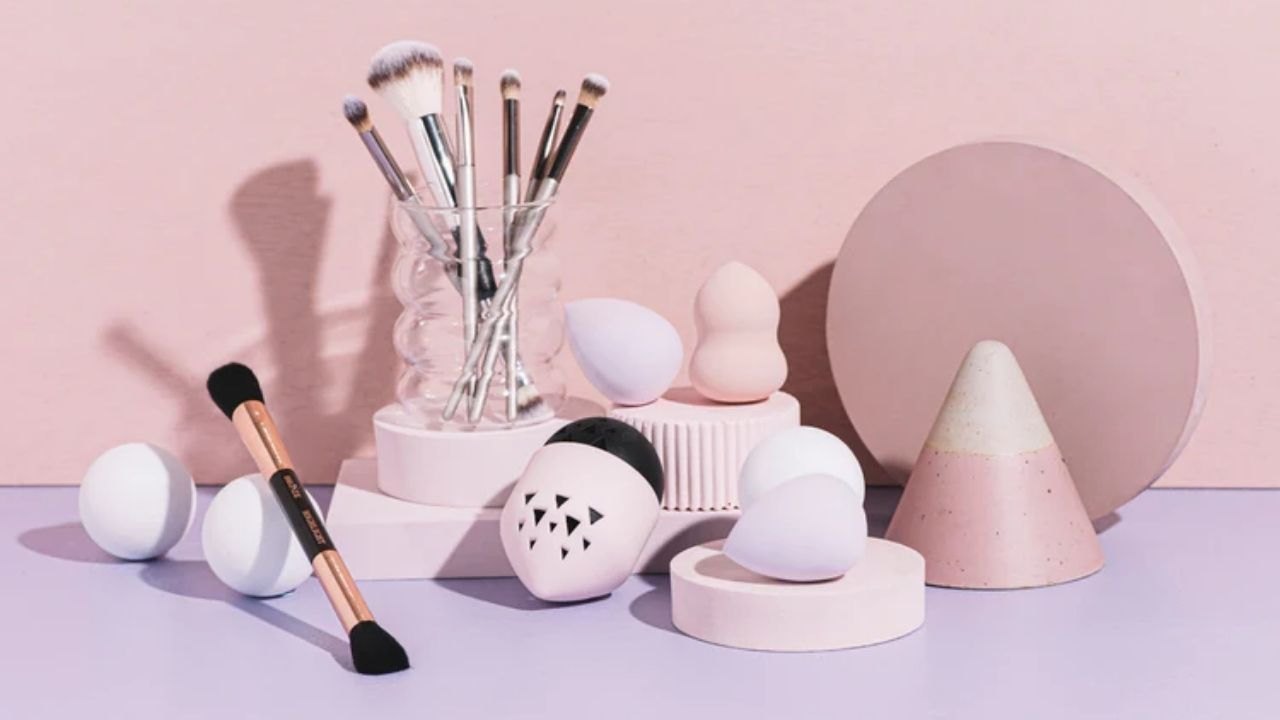
Separate face brushes from eye brushes, even if you have only a few. Face brushes carry heavier products that can transfer to eye tools. Use two containers, or one container with a divider in the center.
Store brushes bristle up so the fibers do not bend under their weight. Make sure the container is dry inside, especially after washing day. This keeps soft fibers and clean application in better shape.
Use Brush Guard Sleeves For Travel And Tight Drawers
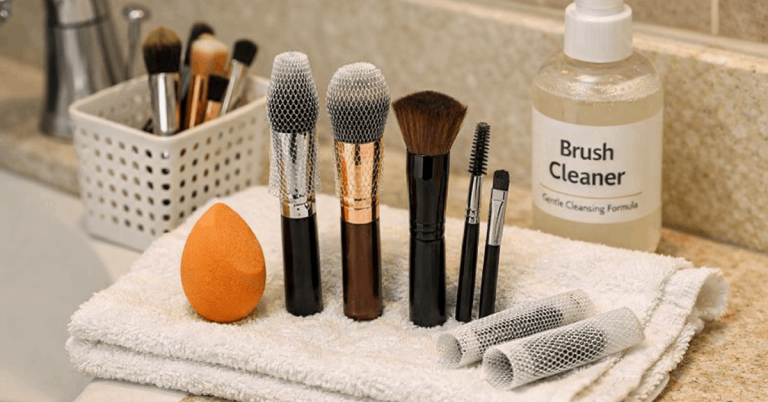
For travel or crowded drawers, brush guard sleeves protect the shape without bulk. Slide a guard over clean, fully dry bristles so they hold form during transit. This helps fluffy powder brushes that get crushed easily.
Store guarded brushes in a pouch that stays dry, not a damp bag. At home, remove guards and let brushes breathe overnight. That prevents flattened brush heads and keeps blending smooth.
Small Grooming Tools Need A Dedicated Case To Prevent Dulling
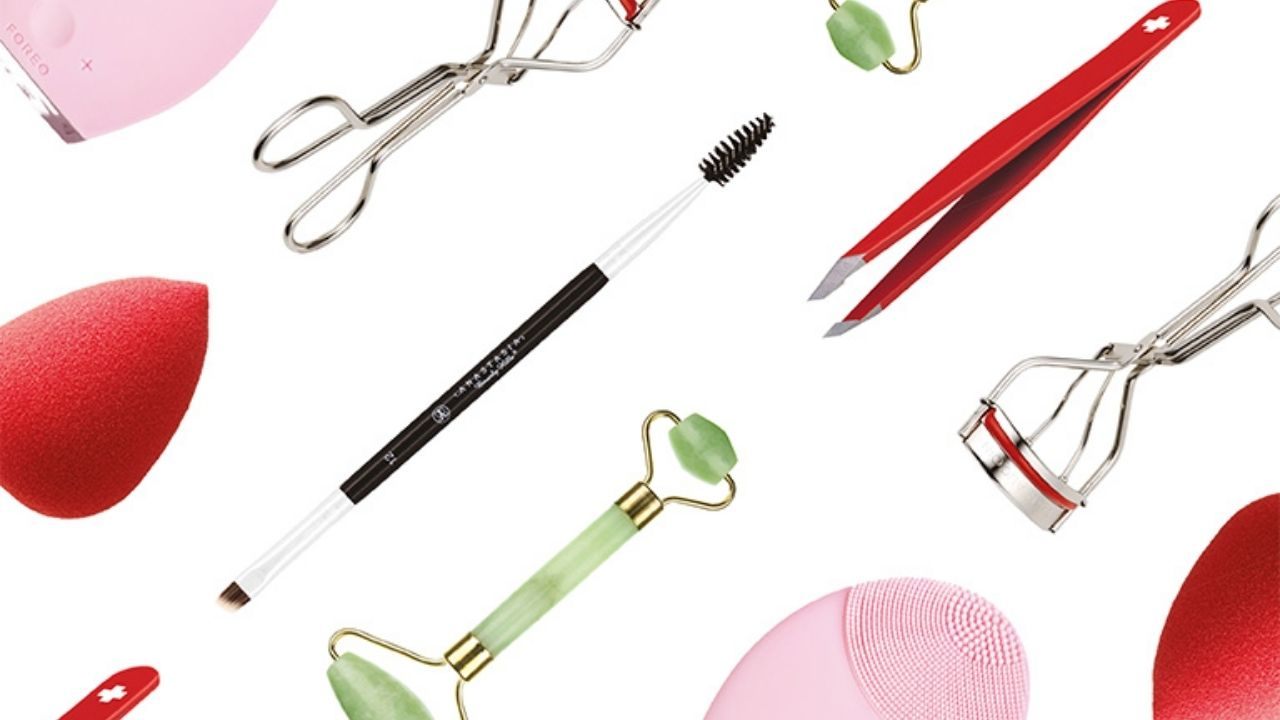
Small grooming tools get ruined when they bounce around in drawers. Tweezers lose alignment, nail clippers dull, and scissors can nick other tools.
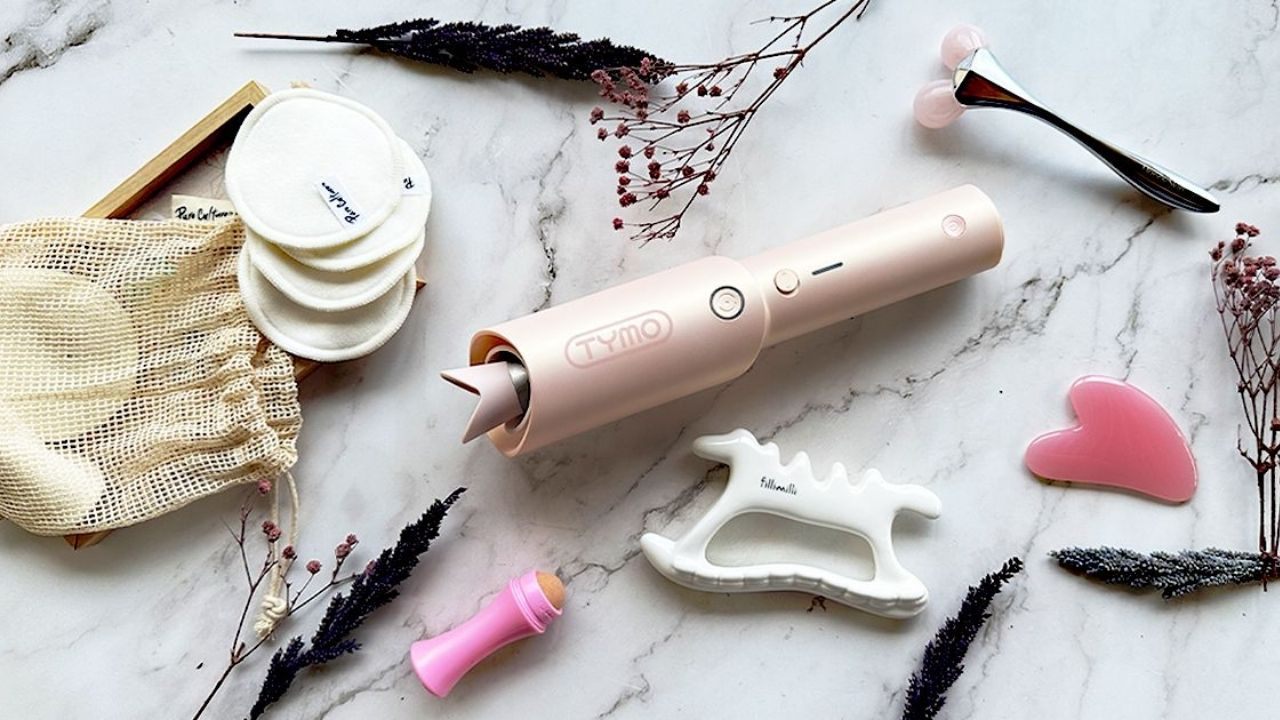
Humidity is also a problem, especially if you store them near the shower. The best storage keeps tips protected, tools separated, and metal fully dry.
You will also move faster because you are not hunting for tiny items. This is low-stress personal maintenance in practice.
Rust Prevention Starts With A Dry Routine
First, choose one dedicated spot that is not exposed to direct steam. If your bathroom stays humid, consider storing metal tools in a bedroom drawer. After use, wipe tools with a clean tissue to remove water and oil.
Disinfect with alcohol, then let them air dry before closing any case. Never store them while damp, even if you are in a rush. That habit prevents surface rust and dull edges.
Use A Zip Grooming Pouch With Moisture Control
A zip grooming pouch keeps sharp tips from rubbing and bending. Pick one with inner loops so tools stay in place during storage. Add a small silica gel packet to reduce moisture inside.
After cleaning, leave it open for a few minutes before zipping it shut. When traveling, keep it away from liquids and wet towels. This protects precision tools for years with little effort.
Replace Less By Checking Storage Damage First
If a tool feels off, check storage damage before replacing it. Tweezers that slip may need a wipe and a protective cap.
Clippers that tug often need a deep clean at the hinge. Scissors that feel rough may have residue near the screw joint. If the metal is cracked or the alignment is bent, then replace it. This mindset reduces wasteful rebuys and keeps your kit reliable.
Conclusion
Storing tools properly is a fast way to save time and money. Keep brushes ventilated so they stay fresh and keep their shape. Give heat tools a cooldown spot to avoid accidents and wear.
Separate skincare tools so your routine stays cleaner and calmer. Protect makeup brushes so they apply better with less effort. Store grooming tools in a case so they stay sharp and aligned. Follow these habits, and you build a tidy routine that lasts.