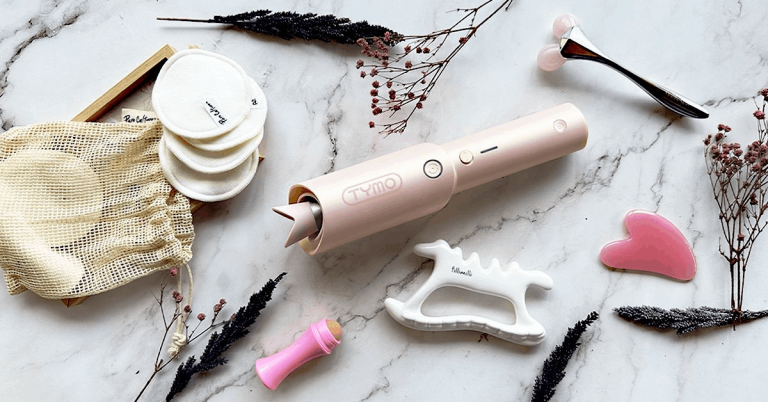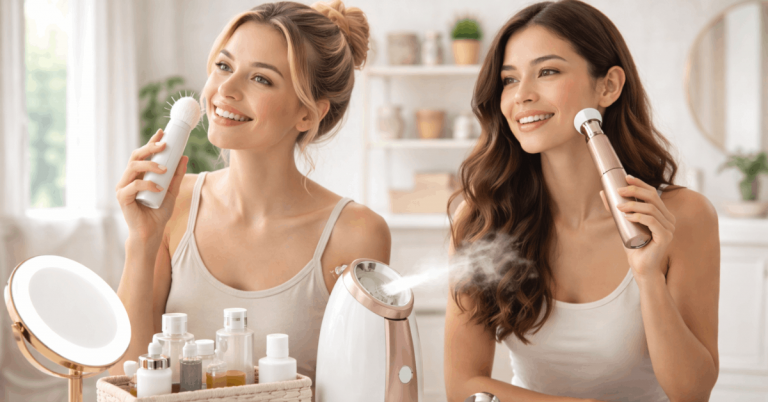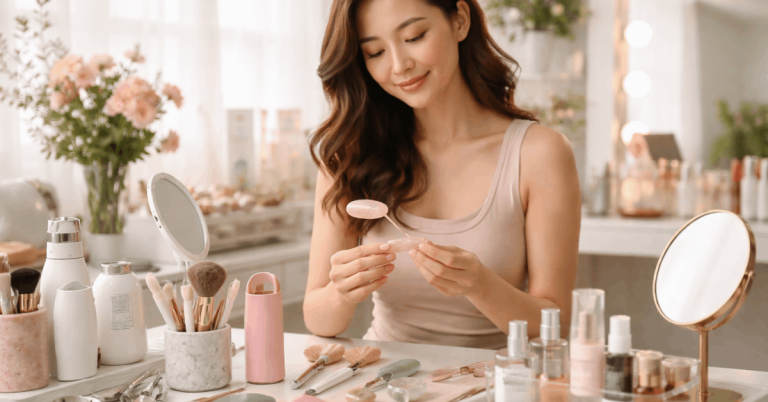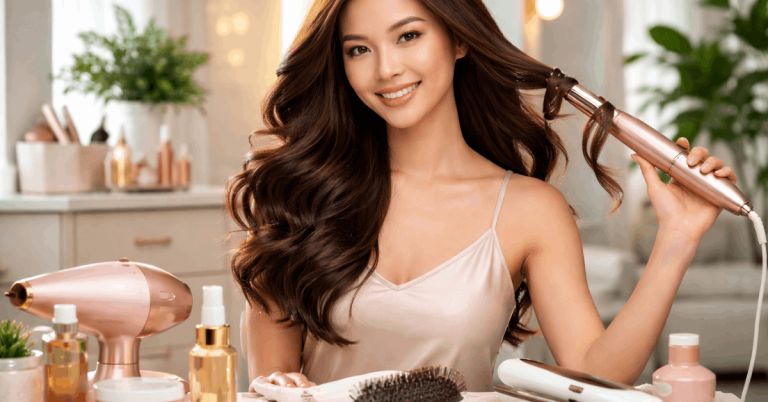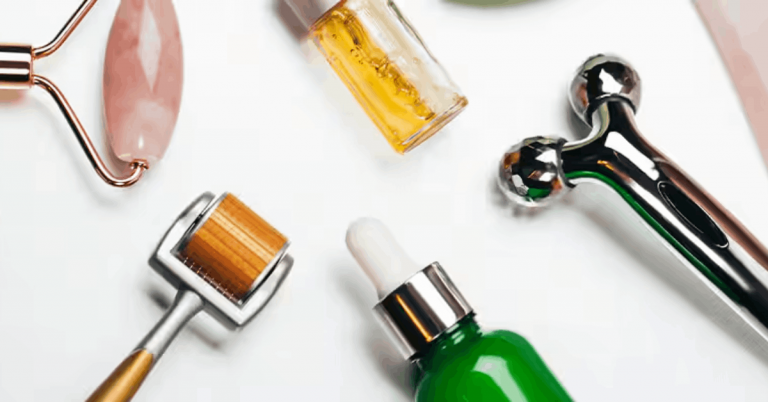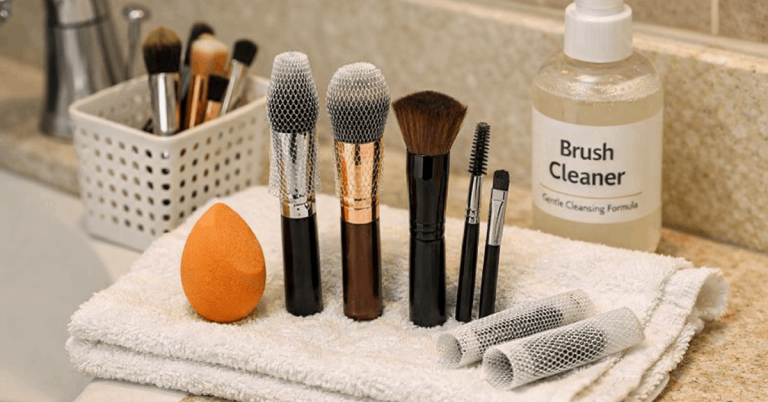
If you’re starting a personal care routine, understanding the beauty tools for beginners will help simplify the process. These tools make your routine faster, more effective, and more organized.
You don’t need everything at once, just a few key items that match your hair and skin needs. This article explains what to start with, how to use each tool, and how to care for them.
What Beauty Tools Actually Do?
Beauty tools help you clean, style, and maintain your skin and hair. They improve the results of your routine and save time.
Instead of relying only on your hands, the right tools can give a more professional finish. These tools also help avoid damage when used properly.
Hair Tools You Should Start With
There are many options, but only a few are essential at first. Stick to the basics that work for your hair type and daily needs.
Hair Brushes and Combs
Hair brushes help manage tangles and distribute natural oils. A wide-tooth comb works well for detangling wet hair without causing breakage.
Paddle brushes are great for everyday styling and smoothing. Choose soft bristles if you have a sensitive scalp.
Blow Dryers
A basic blow dryer helps dry your hair quickly and shape it. Use the lowest heat setting to avoid damage while learning.
Attachments like diffusers or concentrators can help guide airflow. Always use heat protection before drying.
Flat Irons and Curling Wands
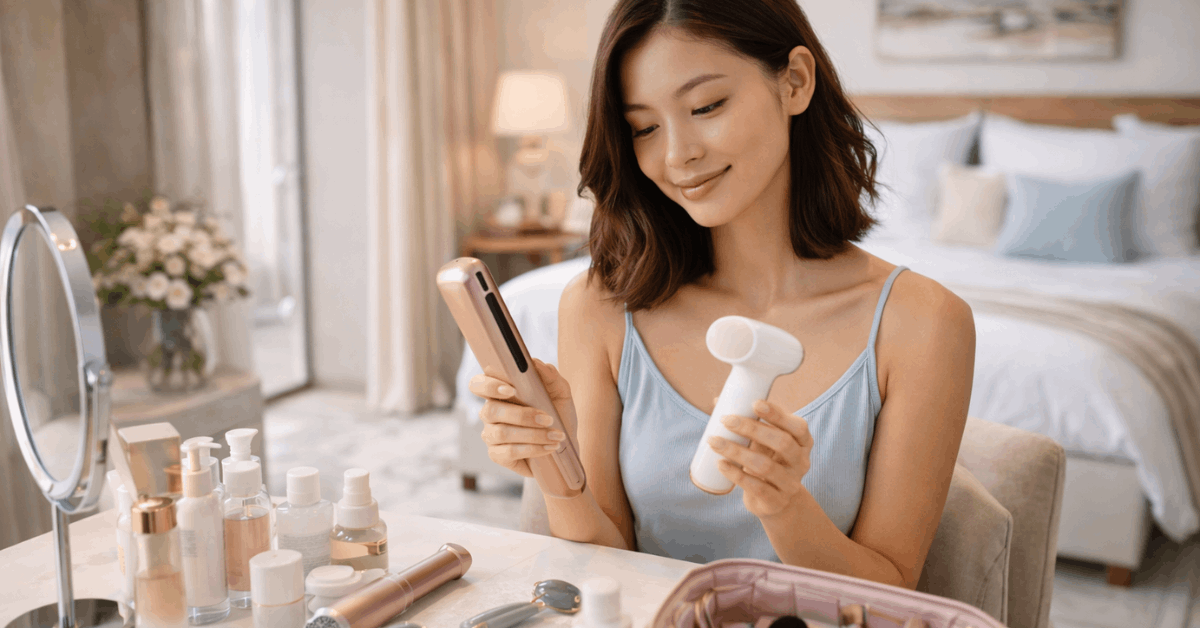
Flat irons straighten hair and give a sleek finish. Curling wands help create waves or defined curls.
Use them only when your hair is dry and protected with a heat spray. For beginners, adjustable temperature is important to avoid burning your hair.
Skincare Tools for Daily Use
Skincare tools help apply products better and improve skin appearance. They’re easy to use and can make a big difference over time.
Face Cleansing Brushes
These tools help remove dirt, oil, and makeup more thoroughly than using hands. Manual brushes are budget-friendly and beginner-friendly.
Electric versions provide deeper cleaning but may be too harsh for sensitive skin. Clean the brush head weekly to avoid bacteria.
Jade Rollers and Gua Sha
These tools reduce puffiness and promote blood flow. Use gentle upward strokes on clean skin.
Store them in the fridge for a cooling effect. Clean them after every use to keep them hygienic.
Tweezers and Pore Extractors
Use tweezers to remove stray facial hairs like those on your eyebrows. Pore extractors help with blackheads but must be used gently.
Don’t overuse them to avoid damaging your skin. Disinfect after every use.
How to Choose the Right Beauty Tools?
Choosing the right tools depends on your hair and skin goals. It’s better to start small and expand later.
Think About Your Routine Goals
Decide what you want to improve: clean skin, smooth hair, or defined brows. Start with tools that support that goal.
If you’re consistent, you’ll see better results even with a basic kit. Don’t buy everything at once.
Look for Beginner-Friendly Features
Choose tools with simple functions and labeled settings. Soft-touch handles and lightweight designs are easier to control.
Avoid multifunction tools until you gain experience. Basic designs are more reliable for learning.
Consider Budget and Maintenance
Affordable tools can still be high quality. Focus on trusted materials like stainless steel or soft silicone.
Maintenance matters; easy-to-clean tools last longer. Replace damaged tools as soon as you notice signs of wear.
Basic Care and Cleaning of Tools
Tools need to stay clean and dry to avoid skin issues or damage. Regular maintenance improves tool performance.
How Often to Clean Your Tools?
Clean hair brushes and combs weekly. Wash skincare tools after every use, especially if they touch product or skin.
Dry everything completely before storing. Use alcohol or soap, depending on the tool type.
Safe Storage Methods
Store tools in a dry, closed container or drawer. Avoid humid environments like bathrooms.
Use storage bags or holders to keep tools organized. Separate sharp tools like tweezers from soft tools to prevent damage.
When to Replace Tools?
Replace a brush when bristles fall out or bend. Swap cleansing brush heads every two to three months.
Get new tweezers if they lose grip or rust. Always check for signs of wear before each use.
Common Beginner Mistakes and How to Avoid Them?
Knowing what to avoid helps protect your skin and tools. These are common mistakes that can easily be fixed.

Using Too Many Tools at Once
Stick to a small routine and build slowly. Overloading on tools makes your routine harder to manage.
Learn one tool well before adding another. Quality over quantity matters.
Skipping Cleaning Steps
Beginners often forget that tool hygiene affects both results and safety. Cleaning isn’t optional; it’s essential.
- Dirty tools can lead to acne, hair damage, and skin infections.
- Make cleaning a regular part of your weekly routine.
- Wipe down metal tools with alcohol after each use to prevent buildup.
- Skipping cleaning steps weakens tool effectiveness and shortens tool life.
Applying Too Much Pressure
Using force with brushes or extractors damages skin and hair. Gentle movements are more effective and safer.
If something hurts, stop and adjust your technique. Proper handling prevents irritation.
Beginner Tool Kit Breakdown
Start small and add tools as you build your routine. Here are five essential tools to begin with:
- Detangling brush: Helps manage knots without pulling.
- Blow dryer with a low-heat setting: Useful for daily styling.
- Manual face cleansing brush: Gently exfoliates and cleans skin.
- Jade roller: Helps with puffiness and product absorption.
- Tweezers: Useful for shaping brows and removing small hairs.
Start with this basic kit and expand when you’re comfortable. Look for affordable options in local stores or trusted online brands.
Expert Tips to Maximize Your Tools
Apply simple habits to get better results from your beauty tools. These expert-backed tips are beginner-friendly:
- Watch video tutorials for your tool type.
- Always start with clean tools and clean skin/hair.
- Avoid sharing personal tools with others.
- Stick to a consistent routine using a few tools.
These habits keep your tools working longer and protect your skin.
Getting Started With Confidence
Learning how to use beauty tools for beginners doesn’t need to be complicated. With just a few essential items, you can build a daily routine that works.
Keep your tools clean, follow usage guidelines, and avoid common mistakes. Over time, you’ll feel more confident and get better results with less effort.