Hot tools can make hair look polished quickly, yet repeated styling can change how the lengths behave.
This guide is for anyone using a dryer, straightener, curling wand, or hot brush who wants to protect softness and movement.
It covers preparation, heat control, and signs that hair needs a break. The goal is not to quit every tool, but to make each session gentler.
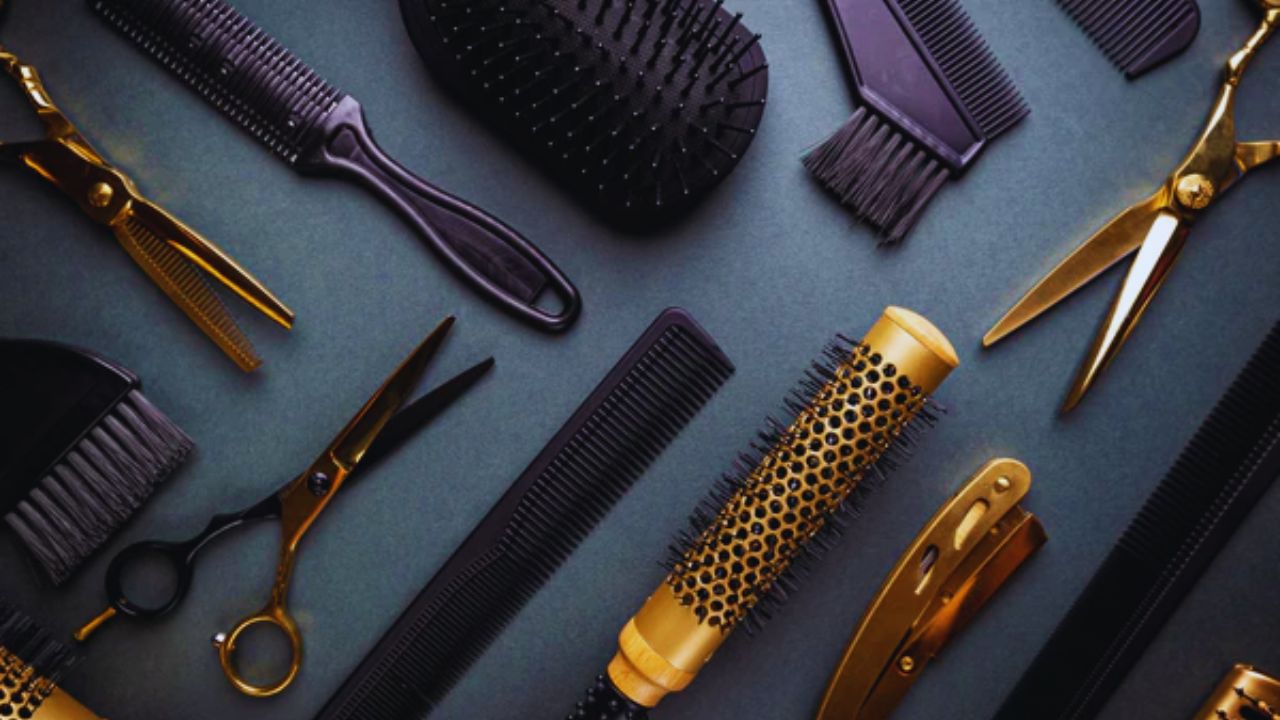
Heat Damage Is Usually a Slow Build
Hair rarely looks ruined after one blow-dry. Damage builds through repeated exposure: high settings, several passes, and hot tools on already fragile hair.
Notice the pattern, then change the habit instead of chasing another repair product.
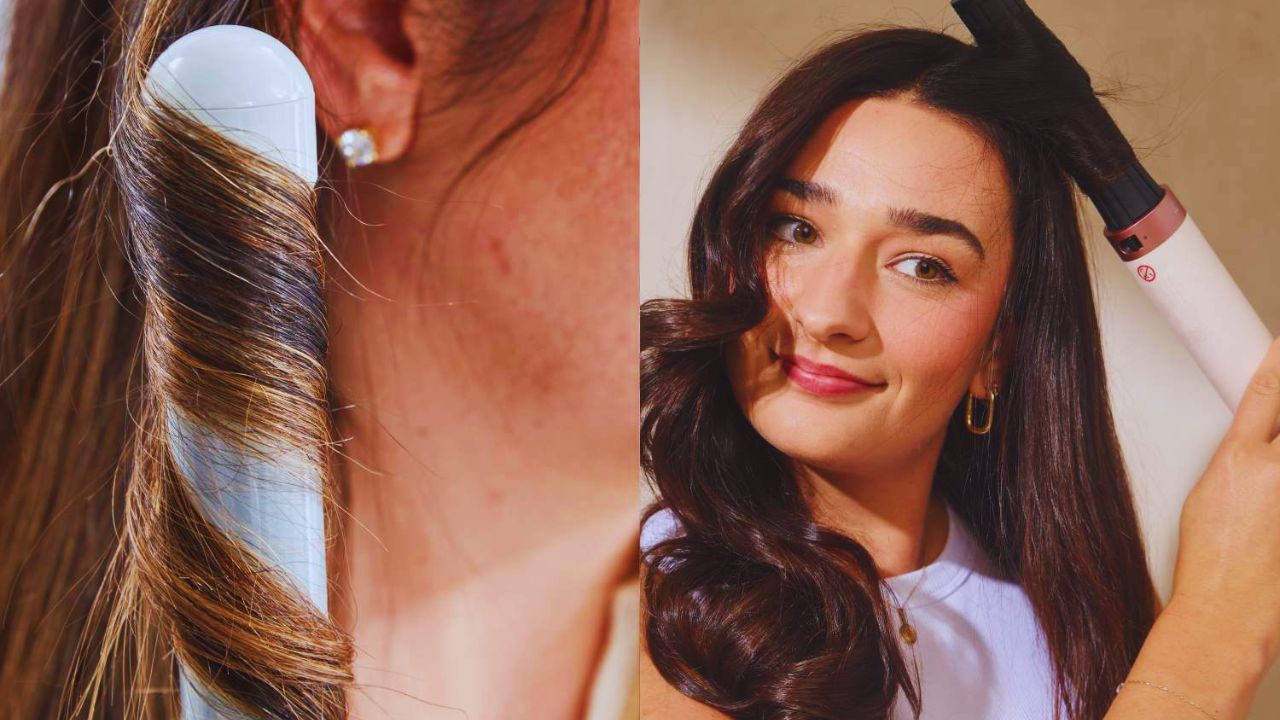
Watch the Changes Before They Become Breakage
Rough texture, ends that knot easily, and hair that will not hold moisture can be early stress clues.
You may also see less shine or find that curls, waves, or straightened pieces lose shape faster.
Weather, color, and buildup can affect hair too, so one bad day does not prove permanent damage. But when the problem follows every hot-tool day, treat it as useful feedback.
Prepare Hair Before the Tool Turns On
Preparation gives you a better starting point, so the tool needs fewer passes and less pulling.
Reduce preventable stress before heat reaches your most vulnerable lengths.
Put Heat Protectant Where It Counts
A heat protectant does not make maximum heat safe, but it can create a helpful layer between hair and direct heat.
Apply it through the mid-lengths and ends, then comb gently so each section has similar coverage.
Fine strands may prefer a mist, while thicker or drier hair may suit a cream. Let it settle before styling, especially when you need even coverage without a wet, sticky finish.
Set the Temperature for Today’s Hair, Not Its Best Day
The setting that works on strong, untreated hair may be too much after bleaching, sun exposure, or frequent washing.
Start lower than you think you need, then raise it only when hair is fully dry, sectioned, and still not responding.
Fine, porous, or fragile sections need more caution, even when the rest feels resistant. A moderate setting can mean one careful pass instead of several rushed ones, which is kinder to the outer cuticle.
Let Your Technique Do Some of the Work
Even a well-made tool becomes harsh when technique is rushed. Slowing down before the first pass saves time later because you are not correcting uneven pieces.
Focus on steady movement, clear sections, and your hair’s current condition.
Dry Hair in a Way That Reduces Rework
Press out water with a microfiber towel or soft T-shirt instead of rubbing hair until it feels rough.
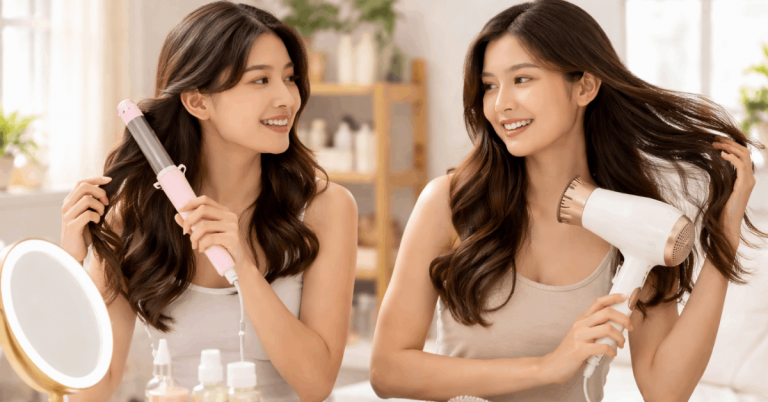
When blow-drying, direct airflow down the length and keep the dryer moving, especially near the ends and hairline.
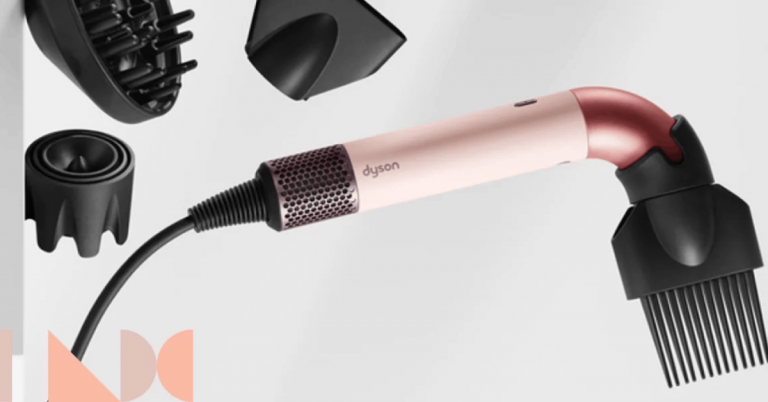
A concentrator nozzle can focus the air, while a diffuser may suit curls that lose shape under strong airflow. Before a flat iron or wand, make sure hair is completely dry; steam or sizzling means stop, not continue with quick styling.
Small Sections Prevent Repeated Passes
Large sections may seem faster, but they often leave the middle damp, frizzy, or only partly styled.
Divide hair into manageable pieces and use a comb or brush that glides without tugging.
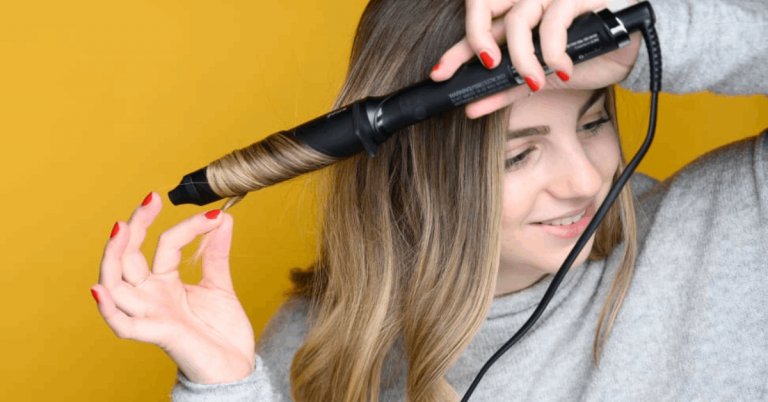
With a straightener or wand, move slowly enough to shape hair in one pass. This keeps heat exposure controlled and creates a more consistent finish.
Plan Heat Around the Rest of Your Week
Hair condition is shaped by the full week, not one session. Color services, swimming, dry indoor air, and tight styles can change how much heat your lengths can handle.
Planning protects existing softness instead of waiting for a problem that needs damage control.
Use Days Off From Hot Tools to Reset
Leave one or two days between high-heat sessions when your schedule allows.
Loose braids, pinned twists, soft rollers, or a familiar air-dry routine can keep hair presentable without another round of direct heat.
Choose options that do not pull at the hairline or leave your scalp sore. That lowers cumulative stress and gives hair time to retain moisture and flexibility.
Keep Tools Clean, Cool, and Ready
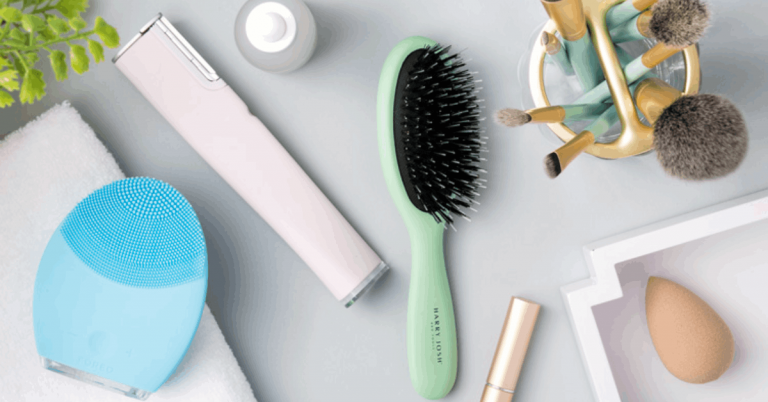
Residue on plates, barrels, brushes, and nozzles can make tools drag or heat unevenly.
Once equipment cools, wipe it as directed and remove trapped hairs from brushes.
Check for chipped plates, loose bristles, damaged cords, or a burnt smell before use. Simple maintenance protects tool performance and prevents avoidable friction.
Know When It Is Time to Simplify
More effort is not always the answer when hair feels dry or unmanageable. A long list of masks, oils, and styling products can hide what is causing the problem.
Returning to a few familiar basics gives clearer feedback and makes your next step more deliberate.
Also Read: How to Identify Your Skin Type Easily
Signs You Should Pause a Styling Routine
Pause hot tools if hair feels unusually stiff, snaps during gentle brushing, develops more split ends, or smells singed after styling.
Persistent scalp pain, burning, itching, or sudden shedding deserves more attention than a new product.
A dermatologist or qualified hair professional can help when the concern involves your scalp or continues despite simpler care. Getting help early can stop ongoing irritation from becoming a longer hair-care setback.
Before a busy week, keep a short check near your mirror instead of relying on memory. It helps you notice how your hair feels today and make a calmer choice before plugging anything in. Treat it as a two-minute pause that prevents a rushed setting, repeated passes, or styling when your hair still feels damp from washing or a workout.
- Is my hair fully dry before the next tool?
- Can I use a lower setting for this style?
- Does this section need another pass or more preparation?
Make Heat a Choice, Not a Default
You can keep using the styles you enjoy without treating high heat as the only route to a finished look.
Prepare hair, use the lowest effective setting, and pay attention when texture or shine begins to change. The best adjustment is often small: fewer passes, an extra heat-free day, or gentler handling while damp.
Over time, those repeatable decisions make styling feel less like a trade-off between the look you want and hair that stays comfortable to manage throughout a busy week.