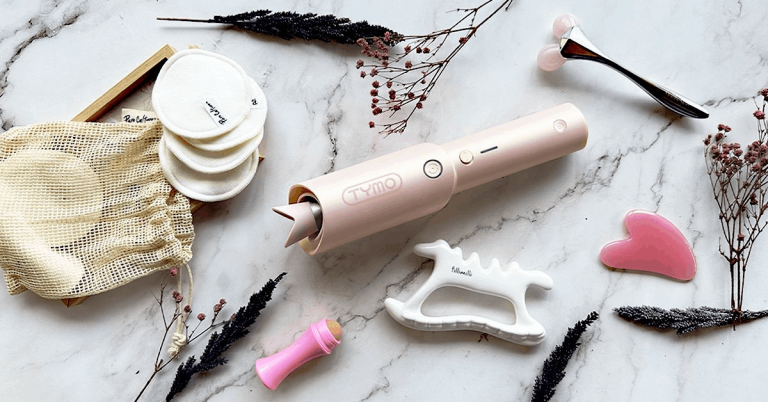
At-home beauty is getting simpler, not more complicated, especially for beginners. If you are searching for the best entry-level beauty tools for home use, focus on tools that are gentle, easy to clean, and hard to misuse.
The right basics can improve results without requiring salon skills or a big budget. You can build a routine around a few tools that support hair, skin, and quick maintenance.
This guide highlights five beginner-friendly options that fit daily life. Each section explains how to use the tool safely and consistently. Good tools reduce effort more than they add steps.
A Flexible Paddle Brush That Detangles Without Excess Pulling
A flexible paddle brush is one of the easiest upgrades for everyday hair care. It covers a larger area, so you spend less time brushing and fewer passes.
The best versions flex slightly, which reduces tugging when you hit a snag. For beginners, this helps you detangle with less breakage and less scalp discomfort.
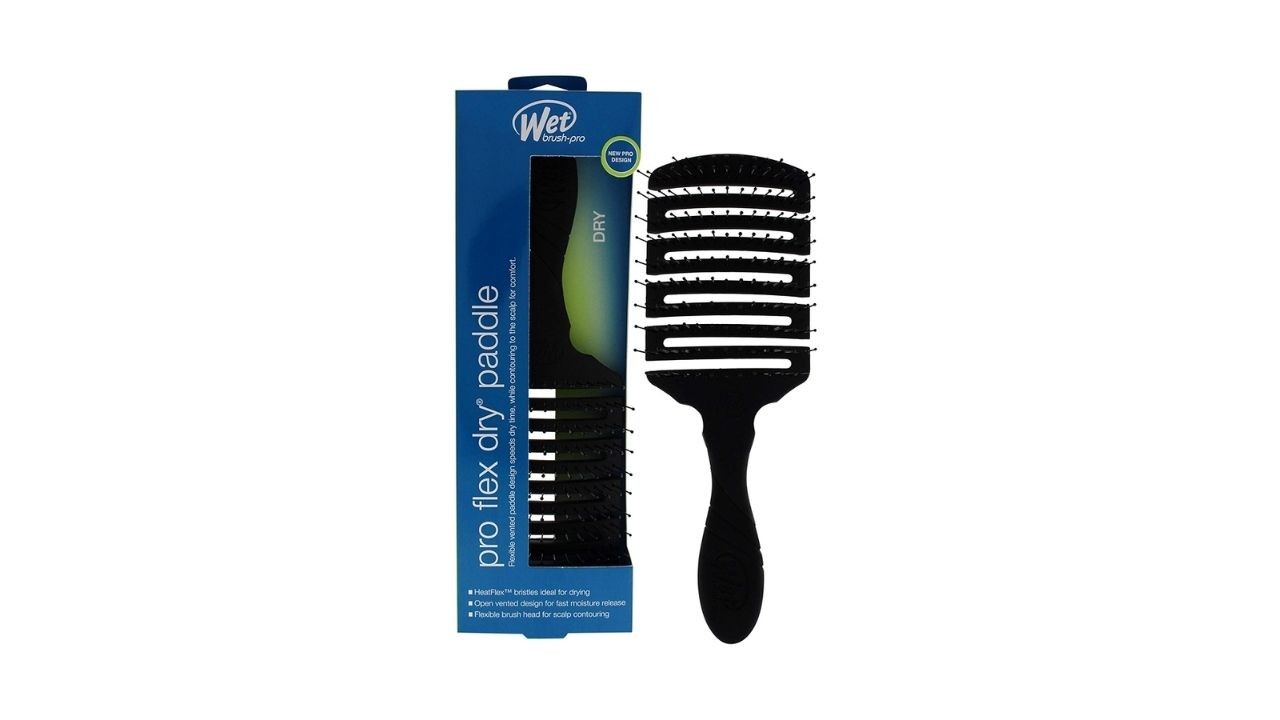
Choose one with nylon pins and a cushioned base for a smoother glide. This is a low-risk daily tool that works for many hair types.
What Makes This Brush Beginner-Friendly At Home
A flexible paddle brush is forgiving when your technique is not perfect yet. The wider surface keeps pressure more even, so you are less likely to rake one spot too hard.
It is also easier to hold steady compared to smaller brushes with narrow handles. If you get tangles often, this brush encourages slow, controlled detangling instead of rushing.
You will notice fewer snapped strands when you stop forcing knots. That is the real beginner advantage.
How To Detangle With Less Breakage And Less Frizz
Start detangling at the ends and move up in small sections. Hold the hair above the tangle to reduce tension at the root. Use short strokes and stop the moment you feel resistance building.
If a knot is stubborn, loosen it with your fingers before brushing again. Detangle when hair is lightly damp or fully dry, depending on your texture and product use. This creates smoother daily brushing without overworking the hair.
Cleaning And Storage Tips That Keep It Working Longer
Brushes perform better when they stay clean and fully dry. Remove shed hair after each use to prevent it from matting into the base.
Wash the pins with mild soap and warm water once a week if you use styling products. Avoid soaking the whole brush, especially if it has a cushioned pad.
Let it dry, pin-side down on a towel so moisture does not collect. This protects the brush shape and spring over time.
A Heatless Satin Curling Rod Set For Easy Styling Without Heat Stress
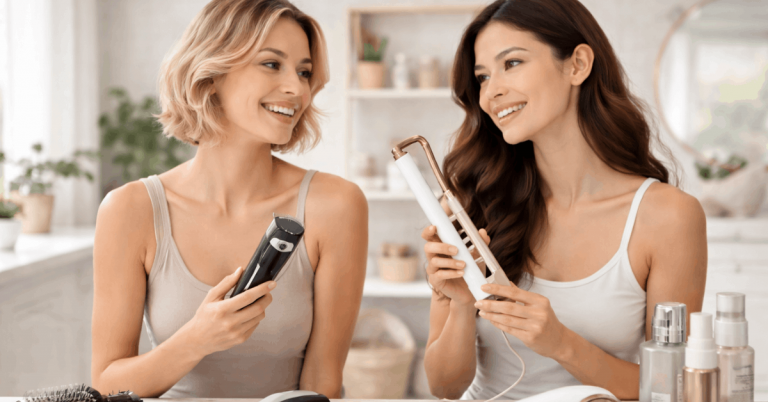
If you want a beginner styling tool that feels safe, go heatless first. A satin curling rod set creates waves and curls while avoiding the high temperatures that can dull shine.
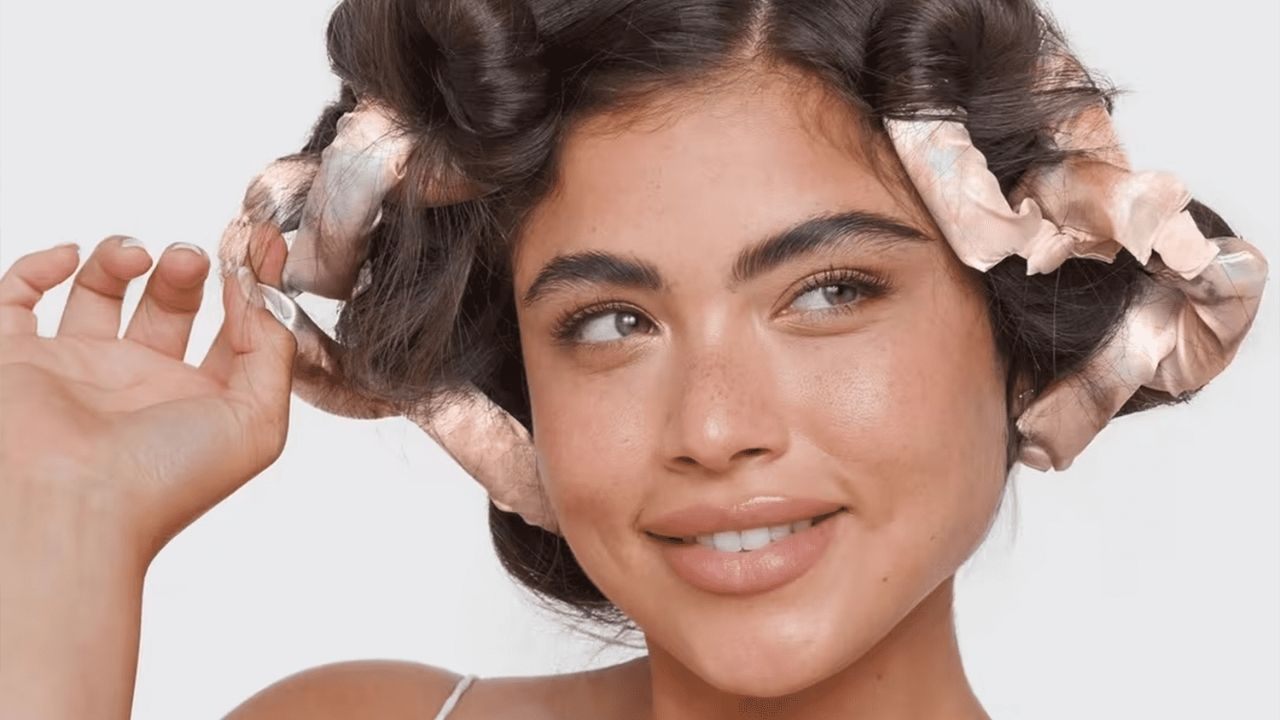
This is helpful if you are new to styling, because heatless results rely more on placement than precision timing.
It also suits busy routines since you can set it before bed or while getting ready. Satin reduces friction, so hair is less likely to snag or frizz. This tool offers a gentle styling option that fits home use.
Why Heatless Styling Is A Strong First Step For Beginners
Heat tools are not required to get a styled look at home. Heatless sets help you practice sectioning and placement without worrying about burning or overheating hair.
That lowers anxiety and makes you more consistent with styling habits. If your hair is dry, color-treated, or prone to split ends, this is a smart starting point.
You can still get volume and shape while keeping strands calmer. The result is more style with less risk.
How To Use It For Waves That Look Natural, Not Forced
Start with hair that is slightly damp, not dripping wet. Part your hair and wrap sections around the rod with steady, even tension.
Keep sections consistent so the pattern looks balanced, especially around the face. Secure the ends gently, then leave it in long enough to set, often a few hours or overnight.
When you remove it, separate curls with fingers instead of a brush. This method creates soft, wearable texture with minimal effort.
How To Prevent Tangles And Keep The Set Comfortable
Comfort matters because you will not use a tool that feels annoying. Use smaller sections near the crown so the wrap sits flatter and feels less bulky. Avoid wrapping too tightly, because tension can cause discomfort and uneven results.
If your hair is thick, work in additional sections rather than forcing one large wrap. Use a satin-friendly clip or soft ties that do not pinch. With small adjustments, you get a beginner routine that sticks.
Caring For The Set So It Stays Clean And Works Well
A heatless set should be kept clean to prevent oils from being transferred back to the hair. Wipe the rod with a gentle cleanser or mild soap as needed, especially if you use styling creams.
Let it air dry completely before storing it in a drawer or pouch. Avoid tossing it into a crowded bin where it can crease or collect lint.
If it has a satin cover, follow the wash directions and keep it smooth. This keeps your styling results consistent over time.
Reusable Microfiber Makeup Remover Cloths For Simple Skincare At Home
Beginner skincare works best when it is gentle and repeatable. Reusable microfiber makeup remover cloths help you cleanse without harsh rubbing or too many steps.
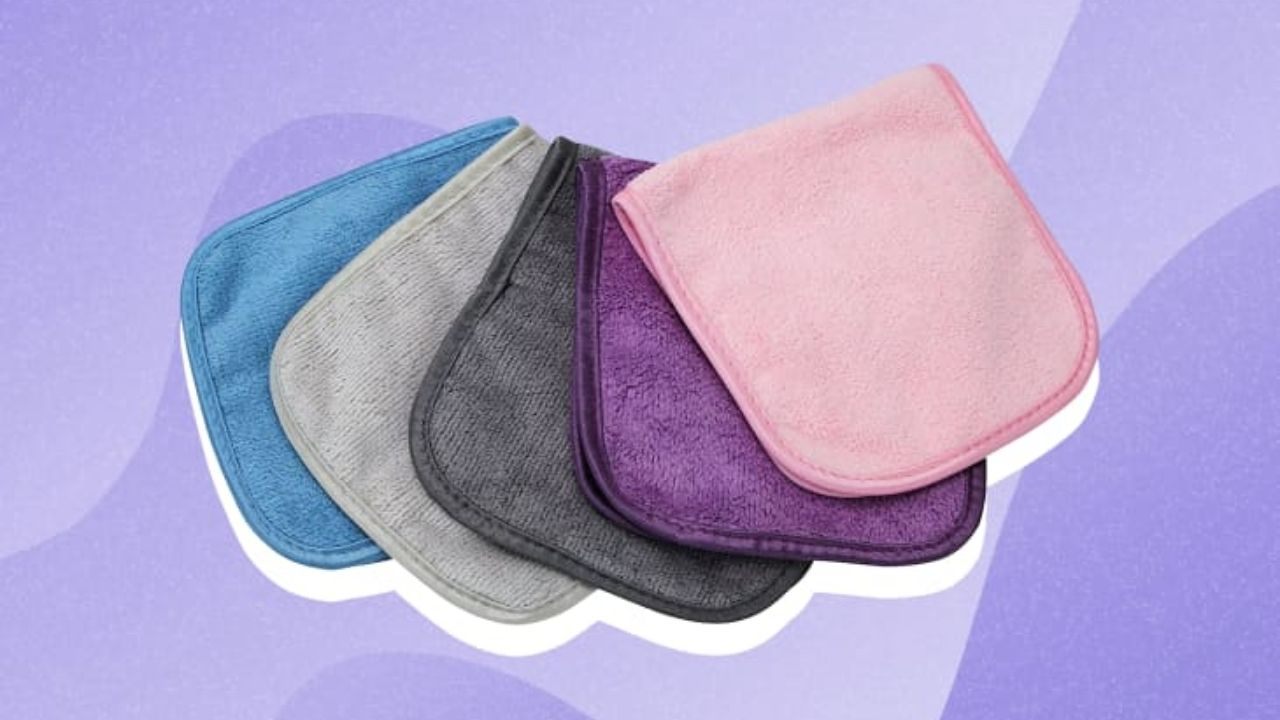
They can remove light makeup and sunscreen with warm water, which lowers reliance on heavy wipes.
This tool also supports sensitive skin because you can control pressure and avoid scratchy textures. It is practical for travel and quick nights when you are tired. This is a routine-friendly skincare upgrade for home use.
Why This Tool Works For Beginners With Busy Schedules
Skincare gets skipped when it feels complicated or messy. These cloths simplify the first step by making makeup removal less intimidating. You wet the cloth, press it gently onto the skin, then wipe with light strokes.
That feels easier than juggling multiple products and cotton pads. Many beginners over-cleanse, which can trigger dryness and irritation. A soft cloth encourages gentle cleansing behavior that supports consistency.
How To Use It Without Tugging Skin Or Over-Scrubbing
Use warm water and soak the cloth fully so it glides smoothly. Press and hold over eye makeup for a few seconds instead of rubbing fast.
Move outward with light strokes and re-wet the cloth when it starts to drag. If you wear heavier makeup, follow with a mild cleanser to finish the job.
Keep pressure low, because friction is the main issue. This approach keeps skin comfort and barrier in a better place.
Cleaning And Storage Rules That Keep It Hygienic
Reusable tools need hygiene habits that feel realistic. Rinse the cloth immediately after use so residue does not set into the fibers. Wash cloths in hot water with fragrance-free detergent if you have sensitive skin.
Let them dry completely before storing, because damp cloths can smell and harbor bacteria. Keep a small basket for clean cloths and another for used ones to stay organized. This system supports clean skincare tools daily.
How To Pair It With A Minimal Routine That Still Works
A cloth is a tool, not a full routine, so keep your plan simple. After removing makeup, use a gentle cleanser if needed, then apply moisturizer.
If your skin is dry, add a basic hydrating serum a few nights per week. If you are acne-prone, keep products light and avoid scrubbing harder.
The cloth should make skincare easier, not more intense. This supports a calm, maintainable routine at home.
An Etched Glass Nail File For Neat Nails With Less Splitting
Entry-level nail care should focus on preventing damage, not chasing perfection. An etched glass nail file is a strong beginner tool because it shapes nails smoothly and reduces tearing.
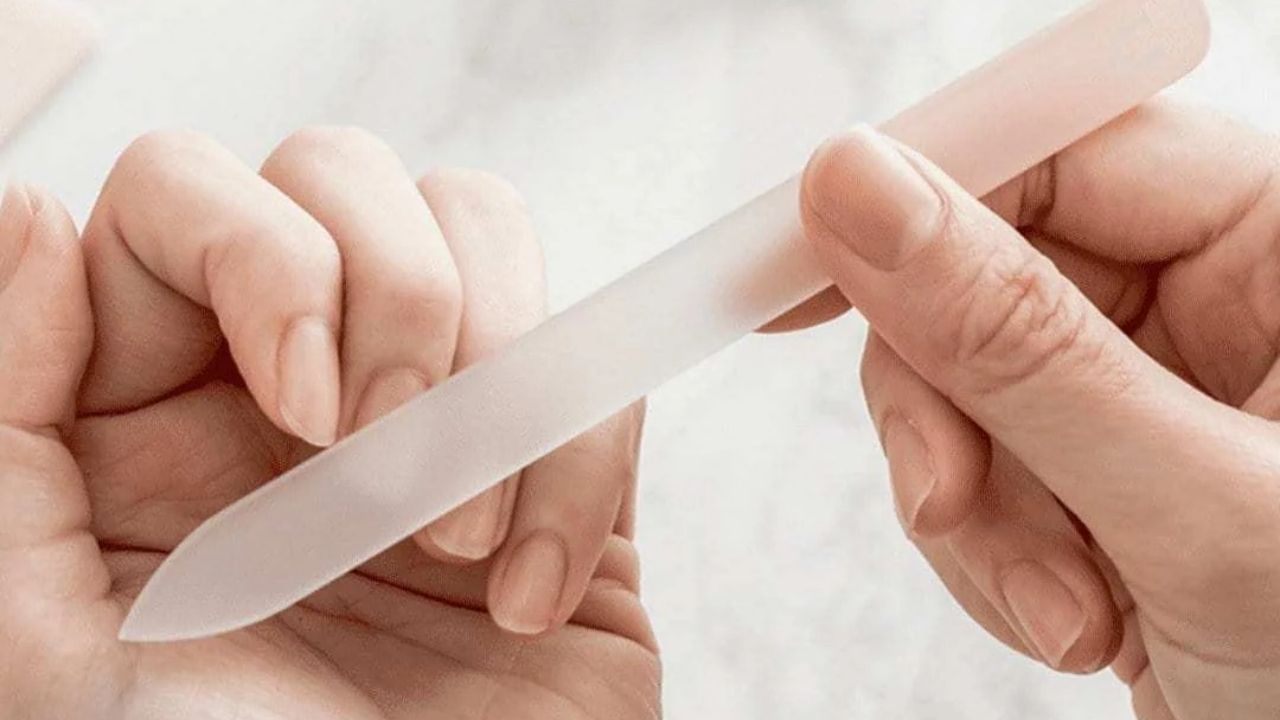
Unlike some rough files, it can create a cleaner edge with fewer passes. It is also easy to wash, which supports hygiene and better results.
If you maintain nails weekly, you can avoid rushed trimming and accidental splits. This is a small tool with a big payoff.
Why A Glass File Is Easier Than Many Disposable Options
Disposable files can wear down fast and create uneven grit, which leads to jagged edges. A glass file stays consistent, so you do not need to press hard. Beginners often file aggressively, which weakens nails and makes them peel.
With glass, light pressure and steady strokes usually get the job done. You can shape slowly and stop before the nails feel thin. This supports more control with less damage.
How To File Without Weakening Nails At The Edges
File on clean, dry nails so the edge is easier to shape. Move in one direction with gentle strokes instead of sawing back and forth. Keep the shape simple, like a soft square or rounded edge, to reduce break points.
Do not over-file the corners, because that can cause peeling. Finish with a quick rinse and moisturize the nail area if it feels dry. This builds stronger nail habits that are easy to maintain.
Cleaning, Storage, And Safety For Long-Term Use
Wash the file with soap and warm water after each session. Dry it fully before storing, especially if you keep it in a pouch or drawer. Avoid dropping it since glass can chip if it hits a hard surface.
Keep it away from bathroom moisture if your space stays humid. Store it in a simple sleeve to prevent it from rubbing against metal tools. This keeps the filing surface smooth and consistent.
Using It As Part Of A Simple Weekly Maintenance Routine
A weekly nail check prevents emergency fixes later. Pick one day, file lightly, and stop once nails look even. If you notice peeling, shorten the nail slightly and reduce contact with harsh detergents.
Keep cuticles moisturized with a basic hand cream so nails feel less brittle. The tool works best when you use it consistently, not when damage is already severe. This creates clean nails with less effort.
A Rechargeable Callus Remover For Easy Foot Care At Home
Foot care is often ignored until discomfort shows up. A rechargeable callus remover is an entry-level tool that can make maintenance simple without harsh scraping.
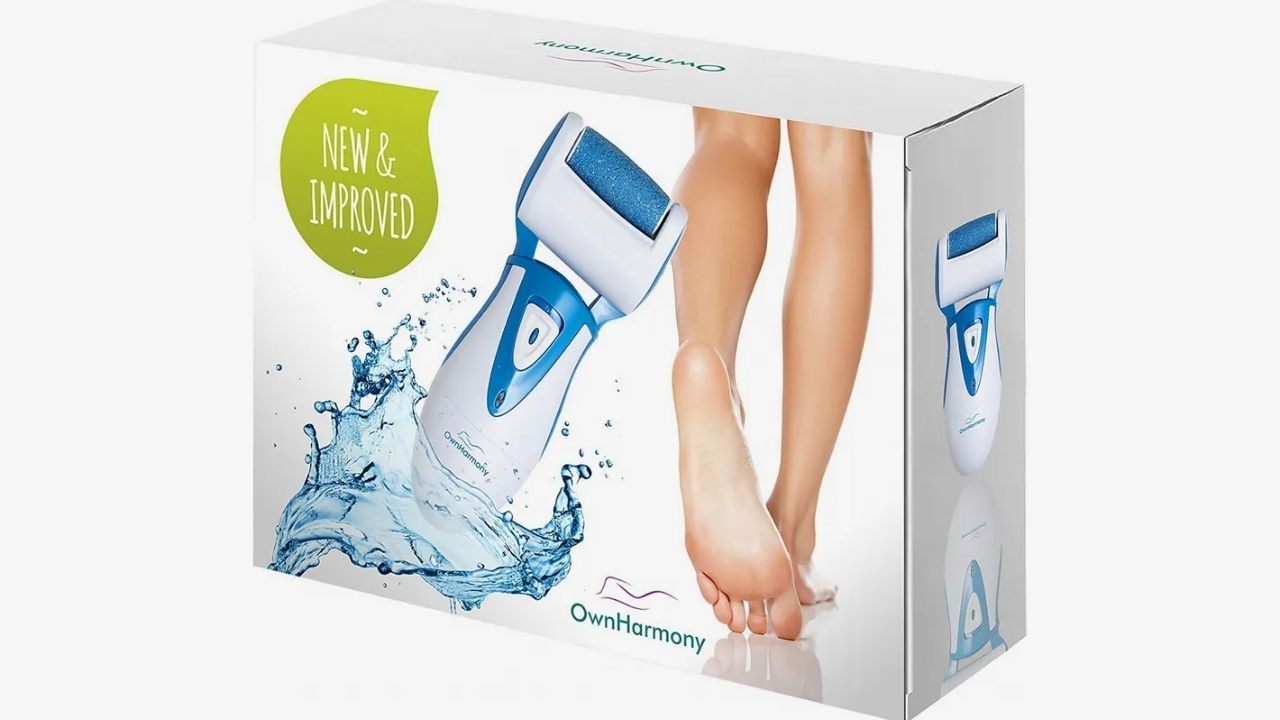
It helps smooth rough areas gradually, which is safer than trying to remove everything at once. For beginners, the key is using light pressure and stopping early rather than chasing perfection.
This tool supports comfort, especially if you stand a lot or wear closed shoes often. It delivers practical home pedicure results.
How To Use It Safely Without Overdoing The Skin
Use it on clean, dry feet so you can see what you are doing. Start with light pressure and keep the tool moving, never holding it in one place. Focus on rough areas like heels and the ball of the foot, not softer skin.
Stop after a short session, then check how the skin feels. Overuse can cause sensitivity, so gradual work is better. This supports safe smoothing over time.
When To Use It And When To Skip It
Use the tool once a week at first, then adjust based on your skin. If you have cracks, irritation, or soreness, pause and focus on moisturizing instead. People with diabetes or circulation issues should consult a clinician before using foot tools.
Also, skip sessions if you notice redness or burning during use. The tool is meant for light maintenance, not aggressive removal. Following these limits protects skin comfort and safety.
Cleaning And Charging Habits That Keep It Reliable
Rinse or brush off the roller head after each use so it stays effective. Let it dry fully before reattaching or storing, especially in humid bathrooms. Charge it on a regular schedule so it is ready when you need it.
If the tool has removable heads, replace them when they dull instead of pressing harder. Keep it in a dry drawer or case to prevent dust buildup. This keeps performance steady and predictable.
Conclusion
Entry-level tools work best when they support simple habits you can repeat. Withthe best entry-level beauty tools for home use, you want choices that lower damage risk and speed up routine steps. Small upgrades build confidence and keep home routines practical.