You do not need a complicated routine to look fresh daily. This guide spotlights beauty tools that actually improve daily care for real schedules.
When tools do not match you, routines get longer and messier. Better tools reduce tugging, streaks, and product waste. You will focus on hair, cleansing, and hygiene upgrades.
Each section adds one product or one app for support. The goal is simple maintenance and dependable results. Use these picks to keep daily care easy and comfortable.

What Daily Care Improvement Really Looks Like
Daily care improves when your routine takes less effort and gives steadier results. You should feel fewer irritations, fewer redo steps, and better comfort.
Tools matter because they control pressure, placement, and cleanup time. Real improvement is repeatable even on rushed mornings.

If a tool needs special setup or complicated cleaning, you will skip it. Start by choosing tools that fit your hair, your skin, and your schedule.
Useful Tools Versus Clutter Tools
Useful tools solve one daily problem without creating new hassles at home. They feel easy in your hand, and they work with light pressure. Clutter tools look impressive but demand extra steps or special storage.
You may also buy more products just to make them behave. A good tool earns space by saving time, not by adding options. When you can clean and store it quickly, you keep using it.
The Simple Test Before You Buy
Use a simple test before you buy or keep any tool. Ask if it improves results with the same number of steps you already do. Then ask if it is easy to clean in under five minutes. If the answer is no, it will become drawer clutter.
Choose tools that match hair density, skin sensitivity, and your usual speed. Fit beats hype because comfort decides whether you stay consistent.
Hair Tool That Cuts Breakage And Frizz
Hair tools that improve daily care should cut breakage and keep hair neat. You want less snagging, less frizz, and fewer touch-ups.

A better brush also helps products spread evenly for smoother results. Pick a tool that supports gentle tension instead of harsh pulling.
Daily brushing can protect strands when the bristles and technique match you. Pair it with a light product that adds slip without weight.
Boar Bristle And Nylon Mix Brush
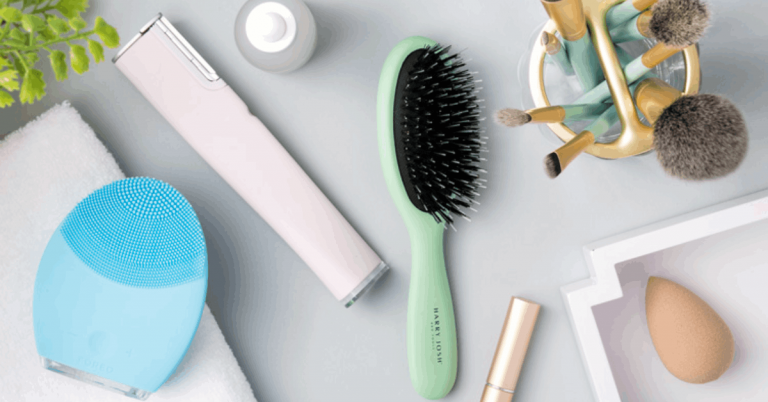
A boar bristle and nylon mix brush is a smart daily upgrade. The nylon pins detangle while the boar bristles smooth the surface. That combination reduces static and helps hair look polished without heat.
Use it on dry hair or on lightly damp ends, depending on your texture. Keep strokes slow and start at the ends, then move upward. Smoother brushing means fewer flyaways and less temptation to overstyle.
Lightweight Leave-In Conditioner Spray
A lightweight leave-in conditioner spray supports brushing without greasy buildup. Mist it on mid-lengths and ends, then wait a few seconds before brushing. It adds slip so knots release with less force and less snapping with fewer snaps.
Choose a watery formula if you have fine hair. If your scalp gets oily, keep the spray away from the roots. Less friction is the goal because friction is what breaks strands.
The Sixty-Second Brushing Pattern
Use a simple sixty-second pattern to reduce stress on hair. First, finger detangle knots so the brush does not catch. Second, brush ends for fifteen seconds using short strokes. Third, move to mid-lengths for fifteen seconds.
Finish by brushing from roots to ends two times. Stop when hair feels smooth, not when you feel impatient. Two clean passes beat ten rough passes for shine and comfort.
Skincare Tool That Makes Cleansing More Effective
Cleansing is where daily care often fails, even with good products. If residue stays on skin, makeup sits unevenly, and skincare feels useless.

A gentle tool can improve removal without harsh scrubbing. You want clean skin that still feels calm, not tight.
The best cleansing tools are controlled so you can target areas like the nose. Pair the tool with a product that breaks down sunscreen and long-wear makeup.
Soft Muslin Cleansing Cloth Set
A soft muslin cleansing cloth set is an upgrade for washing. Muslin has enough texture to lift residue, but it stays gentle on skin. Wet the cloth with warm water, then press and wipe in motions.
Focus on the hairline, jaw, and around the nose where buildup hides. Rinse the cloth well and let it dry fully between uses. Clean cloth rotation prevents breakouts and keeps your routine feeling fresh.
Oil Cleanser Balm
An oil cleanser balm makes the cloth work better at night. Massage a small amount onto dry skin to dissolve sunscreen and makeup. Add water to emulsify, then rinse until skin feels slick free.
Follow with your normal water cleanser if you like a double cleanse. Do not overuse balm, because a thin layer breaks down film. Better breakdown means less rubbing and a calmer finish after washing.
Two Pass Cleanse
Use a two-pass cleanse to stay clean without stripping your barrier. First, massage balm on dry skin for about forty seconds. Next, rinse and wash with a gentle cleanser for thirty seconds.
Use the muslin cloth only at the end, and keep the pressure light. If skin feels tight, use the cloth fewer nights each week. Calm skin is the goal because irritation makes every step harder.
Maintenance Tool That Keeps Everything Clean And Ready
Tools improve daily care only when you keep them clean and ready. Dirty brushes and sponges spread product and can irritate skin.

Wet tools stored in closed spaces can smell and break down faster. A maintenance tool reduces friction, making cleaning easier to finish.
Hygiene is a performance issue as much as it is a skin issue. Add one cleaning product and one reminder system so the habit sticks.
Brush And Sponge Drying Rack
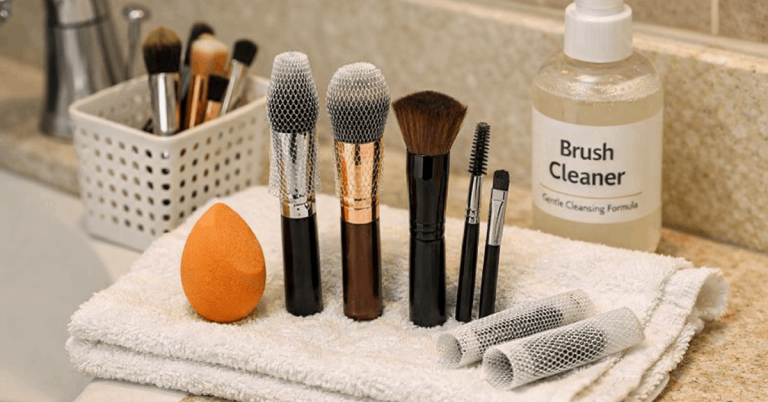
A brush-and-sponge drying rack keeps tools off counters and dries them faster. Airflow matters because damp bristles and sponges hold residue longer. After washing, squeeze water out, then place the tools so air can reach all sides.
Do not store tools in a drawer until they are dry. Pick a rack with separate slots so bristles do not touch. Faster drying lowers odor risk and makes cleaning feel worth doing.
Gentle Brush Shampoo
Use a gentle brush shampoo made for bristles and sponges, not harsh soap. Strong cleaners can dry bristles and make synthetic fibers stiff. Work a small amount in with warm water, then rinse until clear.
For sponges, squeeze and release under running water rather than twisting. If you wear cream products, wash your tools more often to prevent buildup. Clean fibers blend better, so makeup and skincare sit more evenly.
Todoist Reminders For Tool Care
A reminder app keeps maintenance from turning into a once-a-month panic. Todoist lets you set repeating tasks with simple labels. Create a weekly task for brush washing and a midweek sponge rinse.
Add a monthly check for wear, like shedding bristles or torn foam. Keep reminders short so you can finish them in one session. Scheduled care prevents buildup and protects the time you spend on your routine.
A Simple Weekly Routine That Keeps The Kit Working
A weekly routine is what makes these tools pay off long term. You are not adding chores; you are removing future problems.

When tools stay clean and organized, you use less product and get steadier results. The routine should fit real life, not require a reset day.
Small resets beat big overhauls because you will actually do them. Use a daily, weekly, and monthly rhythm so nothing piles up.
Daily, Weekly, Monthly Breakdown
Daily, remove hair from your brush and wipe handles that touch product. Wash the brush weekly with shampoo, then dry it on the rack. Rinse sponges, press them in a towel, and let them air dry.
Monthly, check for smells, shedding, or rough edges that scratch skin. Replace any tool that no longer feels smooth or sanitary. A simple calendar rhythm keeps you consistent without overthinking each step.
Storage Rules That Prevent Recontamination
Storage is part of hygiene, especially in humid bathrooms. Keep brushes bristle side up or laid flat so they keep their shape. Store clothes in a breathable bin, not in sealed plastic, while damp.
Separate hair tools from face tools to prevent oils and residues from transferring. Wipe drawers and containers weekly so clean tools stay clean. Good storage protects your effort because it prevents recontamination after cleaning.
Conclusion
Daily care gets easier when tools reduce effort and save time. Beauty tools that actually improve daily care are easy to clean and repeat. Use a mix of a bristle brush plus a light leave-in spray. Clean skin better with muslin cloths and an oil balm cleanse.
Stick to a daily, weekly, and monthly rhythm. When tools stay ready, your routine feels calm and reliable.