
A smaller budget does not mean your skin has to live on harsh soap and random leftovers. Start with a useful question: what does your face need today—cleansing, moisture, or sun protection? To care for skin without expensive products, focus on real needs, not the fear that you are missing a trend.
This approach works for students, parents, beginners, and anyone tired of bottles that look promising but stay half-full. You do not need a ten-step routine. You need reliable basics, a little patience, and the confidence to ignore anything with no clear purpose in your own day.
Spend on the Daily Jobs Before the Extras
Spending gets messy when every small concern feels urgent. Start with three daily jobs: clean away dirt or makeup, put moisture back after washing, and protect exposed skin in daylight. Those basic jobs are often more useful than a shelf of serums, masks, and duplicate creams that all claim to do something special.
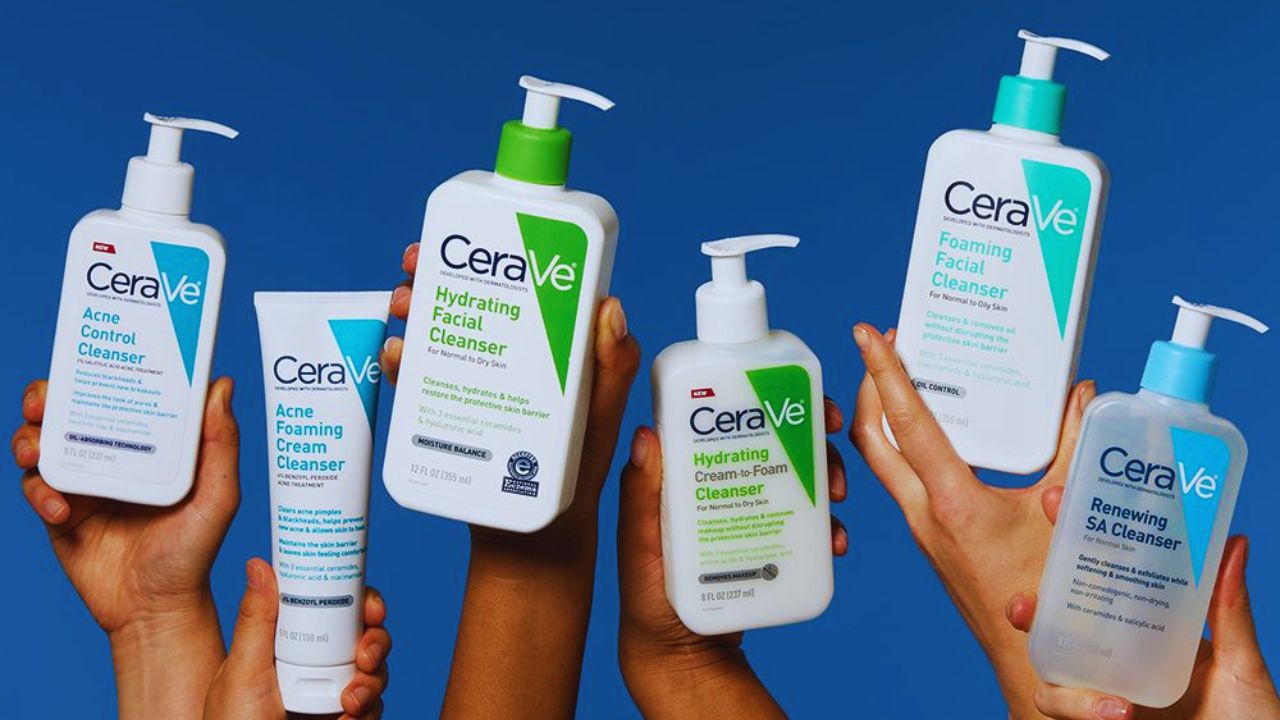
This simple order also makes shopping less stressful. Your cleanser, moisturizer, and sunscreen do not have to match or come from a premium line. Pick products you can use comfortably and replace without regret. The point is a steady routine, not a perfect shelf or an expensive collection.
Choose a Cleanser That Does Not Punish Your Skin
A cleanser does not need to leave your face squeaky-clean to work. If skin feels tight or dry afterward, the wash may be too harsh. A mild cleanser with lukewarm water is usually easier to keep using than a strong product that creates a new dryness problem.
For one direct product example, Cetaphil Gentle Skin Cleanser is a soap-free, fragrance-free cleanser marketed for sensitive skin. It may suit someone seeking a simple wash, but no product is universal. Patch-test a new formula first and notice how your face feels over several uses.
Pick a Moisturizer You Will Actually Finish
A moisturizer does not need a luxury price or a heavy perfume to be useful. A basic lotion or cream can be enough when it reduces that uncomfortable, tight feeling after cleansing and does not make you avoid using it. Apply it when skin is slightly damp, then give it a minute before deciding if the texture works in your usual weather and schedule.
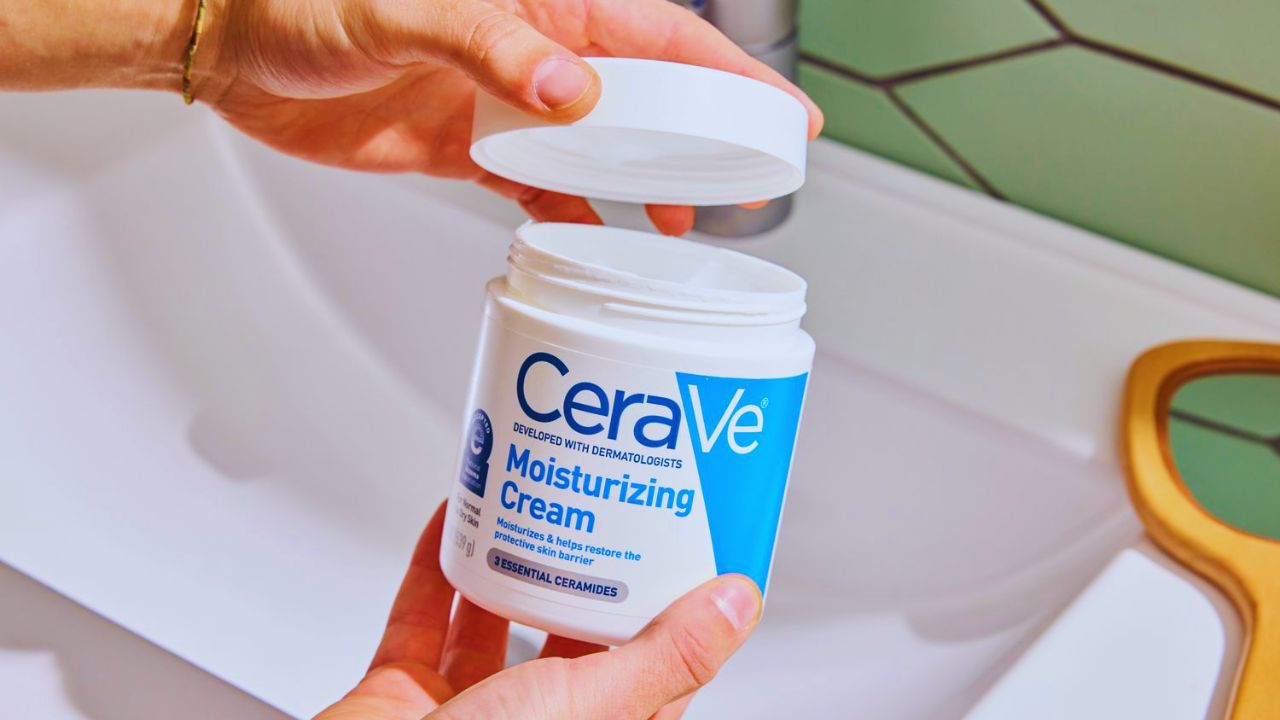
CeraVe Moisturizing Cream is a direct product page to compare if dry skin is your main concern; its official listing includes ceramides and hyaluronic acid. It is not automatically right for every face, but it gives you a useful reference for checking ingredients, size, and directions before you spend.
Build a Routine That Still Works on Busy Days
The routine that looks easy on a quiet Sunday can fall apart on a rushed weekday. Keep mornings short: cleanse only when needed, moisturize, and apply sunscreen. At night, take off visible makeup or buildup, cleanse, then moisturize. This small routine is easier to repeat when you are tired, travelling, or looking after other people.
Once those basics feel steady, decide whether you truly need something targeted for acne, marks, or extra dryness. Add only one change at a time and give it at least a week or two unless there is a clear reaction. That gives you better evidence about what helps and protects you from making every new purchase an emotional guess.
Use a Short List Before You Buy
When a sale or viral video catches your attention, pause for a minute. Ask whether the item fits a genuine gap in your routine, rather than simply looking fun or inexpensive. This short check keeps your spending practical and your product shelf under control:
- Does it replace something finished?
- Does it solve one clear concern?
- Can you patch-test it first?
- Will you use it weekly?
A popular product can still be unnecessary for you. Skip overnight claims, “detox” language, and kitchen fixes such as lemon juice or baking soda. Look for clear directions, a sensible purpose, and a texture you will use. That helps you buy less, but better, instead of treating marketing noise as skin care.
Look Beyond the Bathroom Counter
Useful skin-care habits do not always involve buying anything. Remove makeup before sleep, change pillowcases regularly, and rinse your face after a sweaty commute or workout.
If you use hair oils, sprays, waxes, or leave-in conditioner, check whether residue reaches your forehead, jaw, neck, or shoulders. That detail can explain repeated breakouts better than adding another spot treatment.
Food, water, and sleep deserve a realistic role too. Drinking water supports general health, but it cannot replace moisturizer; one “clean” meal does not undo a harsh routine. Aim for regular meals you can afford and enough rest when possible. Think in terms of steady support, not an expensive, perfect “skin diet” that adds pressure without clear benefits.
Also Read: Skincare Essentials for Everyday Comfort
Know When a Basic Routine Is Not Enough
A simple routine is a sensible starting point, not a substitute for professional help when something feels serious. Seek advice from a dermatologist or qualified health professional if you have painful cysts, spreading redness, swelling, open skin, or repeated reactions to gentle products. Those symptoms deserve individual attention, not another round of product trial and error.
Bring a short list of the products you use and an estimate of when the issue started. That is more useful than arriving with a bag of half-finished bottles and no timeline. A professional can help separate temporary irritation from a condition that may need another approach, which can save money and frustration over time.
Let Each Purchase Earn Its Place
The next time you feel pressured to buy a trending serum, pause and look at what you already own. Do you need a replacement, a targeted solution, or simply more time with the basics? A small routine is easier to maintain, easier to adjust, and less likely to leave you with products you do not understand or never really use.
To care for skin without expensive products, keep comfort and consistency ahead of a perfect shelf. Put your cleanser, moisturizer, and sunscreen where you will actually reach for them. Add something only when you can name its job, then give it time. That quiet method may not look dramatic online, but it is more manageable and trustworthy in real life.