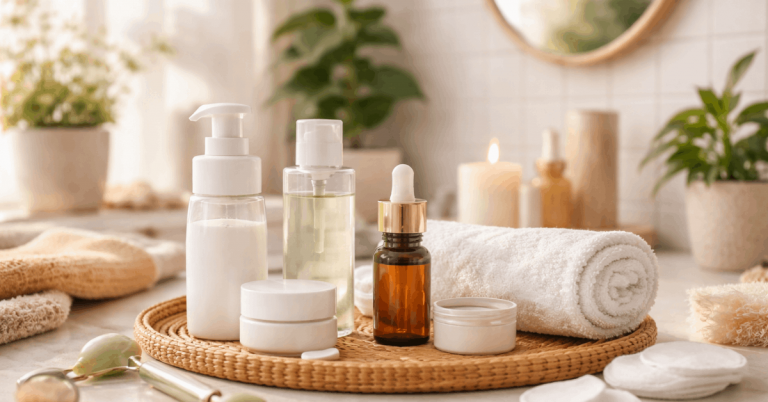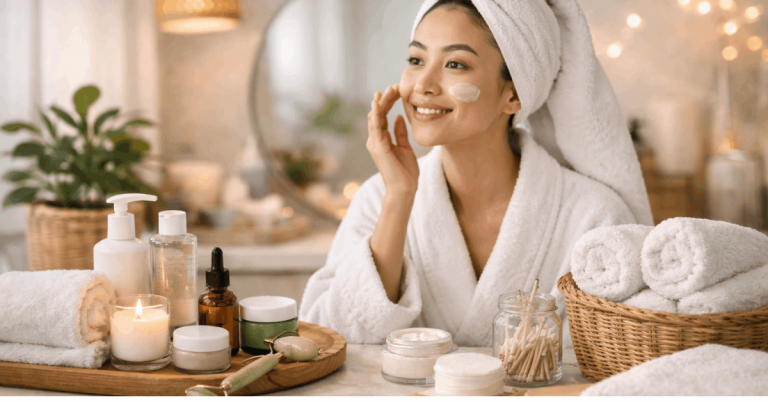
Changing weather affects your skin more than you think. The keyword simple skincare for changing weather focuses on easy steps you can take to keep your skin comfortable all year.
Adapting your routine doesn’t mean overhauling it. This article helps you understand how small changes keep your skin balanced.
Why Weather Impacts Your Skin?
Your skin responds to temperature, humidity, and UV exposure. These changes can trigger dryness, oiliness, or sensitivity.
Understanding how your skin reacts is the first step to prevention. This section explains how environmental factors affect your skin’s condition.
Dry or Cold Weather Weakens the Skin Barrier
In cold months, low humidity and indoor heating strip your skin of moisture. This can lead to tightness, flaking, and increased irritation.
Without proper hydration, the skin barrier weakens. A richer moisturizer can help retain moisture and reduce inflammation.

Warm or Humid Weather Increases Oil and Sweat
Hot conditions lead to more sweat and sebum production. This increases the risk of clogged pores and breakouts.
Lightweight, oil-free products reduce the risk without sacrificing hydration. SPF remains important even on cloudy days.
Wind and Sudden Temperature Drops Cause Sensitivity
Wind exposure causes micro-tears in the skin, making it more prone to redness. Sudden temperature changes can also trigger irritation and dryness.
Protecting your skin with a scarf or barrier cream is effective. Always rehydrate skin after exposure.
Skin Issues That Appear With Season Changes
When seasons shift, so do skin problems. This section outlines the most common concerns and why they occur. You’ll learn how to spot them early and avoid worsening the condition.
Flaky Patches and Dull Texture in Winter
Cold air depletes the skin’s natural oils. This often results in flaky patches, rough texture, or dull appearance.
Gentle exfoliation and proper moisturizers prevent buildup. Never over-exfoliate as this leads to barrier damage.
Oily Breakouts in Hot, Humid Weather
Sweat mixes with excess sebum and dead skin cells. This clogs pores and causes breakouts, especially in summer.
Use a gentle foaming cleanser and avoid thick creams. Keeping skin clean and matte reduces breakouts.
Itchiness and Redness During Transitions
Spring and fall bring wind and allergens. These conditions often cause redness and itching.
Fragrance-free products help avoid allergic reactions. Spot treatment with calming ingredients like aloe or oat can reduce symptoms.
Adapting Your Routine Throughout the Year
Adjusting your skincare doesn’t require a full product overhaul. This section shows you how to switch a few essentials each season. The goal is consistency with small adjustments.
Swap Cleansers Based on Season
Gel cleansers work better in hot weather due to excess oil. Cream or oil-based cleansers are ideal in cold months.
The goal is gentle cleansing without over-stripping. Choose formulas that match your skin’s seasonal needs.
Moisturizer Texture Matters
Winter requires heavier creams with ingredients like ceramides or shea butter. In contrast, summer skin prefers water-based gels.
Layering light products can also balance moisture. Avoid petroleum-heavy products in humid conditions.
Sunscreen Is Always Necessary
UV rays are present year-round. Use broad-spectrum SPF 30 or higher, even during cloudy days.
In colder weather, opt for a more hydrating SPF. Apply it as the final step in your morning routine.
Skincare Steps That Stay Consistent
Even with seasonal tweaks, some basics never change. These steps form your foundation. You can build or simplify from this base depending on the weather.
- Cleanser: Choose a non-stripping formula suited for your skin type.
- Toner: Optional but useful for prepping skin for moisture.
- Moisturizer: Adjust texture, but always keep this step.
- SPF: Essential for the day, regardless of temperature or season.
Everyday Tools That Support Your Routine
Using tools correctly makes skincare more effective. This section focuses on how the weather affects tool usage and care. Adjust how and when you use them depending on the season.
Facial Rollers React to Temperature
Jade or quartz rollers work better cold to depuff and calm skin. Store them in the fridge during hot months.
In winter, warm them slightly for better circulation. Use after applying serums to improve absorption.
Masks and Tools Need Different Storage
Sheet masks should be chilled in summer for soothing effects. In cold weather, use warming masks or steam tools.
Always clean devices after use to avoid bacteria buildup. Humidity increases the need for proper drying and storage.
Usage Frequency Should Be Seasonal
Use exfoliating tools like brushes less often in dry months. Limit dermaplaning or suction tools in cold seasons to avoid over-exfoliation.
In warmer months, focus on cooling tools. Follow each session with hydrating products.
Two Ways to Simplify Year-Round Skincare
Not every adjustment requires buying new products. These two sub-sections break down ways to maximize what you already own. Small changes help maintain balance during seasonal shifts.
Keep Core Products, Add Seasonal Boosters
A stable base routine works year-round. Add only one or two products based on weather changes.
Examples include hydrating serums in winter or oil-control toners in summer. This keeps things affordable and low-maintenance.
Rotate Instead of Replace Products
Use lighter versions of existing products in warmer seasons. For colder months, layer the same products with a balm or cream on top.
Avoid sudden full routine changes. Gradual rotation supports skin adaptation.
Seasonal Triggers and Quick Fixes
You can’t always control the weather, but you can respond smartly. This section gives you emergency tips for managing skin changes on short notice. Keep these ready when the weather shifts unexpectedly.
- Sudden Cold Snap: Add a richer night cream and skip exfoliants for 3 days.
- Humidity Spike: Use blotting paper and a mattifying toner.
- Allergen Exposure: Rinse face, avoid active ingredients, and apply calming moisturizer.
- Heatwave: Mist skin with thermal water and keep SPF handy.
Signs You Need Expert Advice
Some skin reactions go beyond seasonal dryness or oiliness. This section helps you decide when to seek professional help. Early action prevents long-term damage.
- Persistent Flaking or Burning: May indicate eczema or contact dermatitis.
- Unusual Acne Flares: Could be a reaction to seasonal ingredients.
- Painful Breakouts or Rashes: Might require prescription products.
- Nothing Works Despite Changes: See a dermatologist for personalized advice.
What Others Learned From Adjusting Seasonally?
Real-world stories help illustrate how routine changes help. These examples show different skin types adapting their skincare per season. You can apply similar ideas to your own daily care.
- Case 1: A reader in Canada switched to a ceramide-rich cream in the fall and stopped winter flaking.
- Case 2: A woman in the Philippines switched to a gel SPF and avoided oily breakouts.
- Case 3: A college student reduced redness by cutting exfoliants during the spring wind.
Final Thoughts: Smart Skincare Is Seasonal Skincare
Making simple skincare for changing weather part of your routine keeps your skin comfortable and healthy. Pay attention to humidity, sun, and temperature shifts.
Switch a few items each season, but keep your core routine steady. The key is adjusting without overcomplicating your skincare.