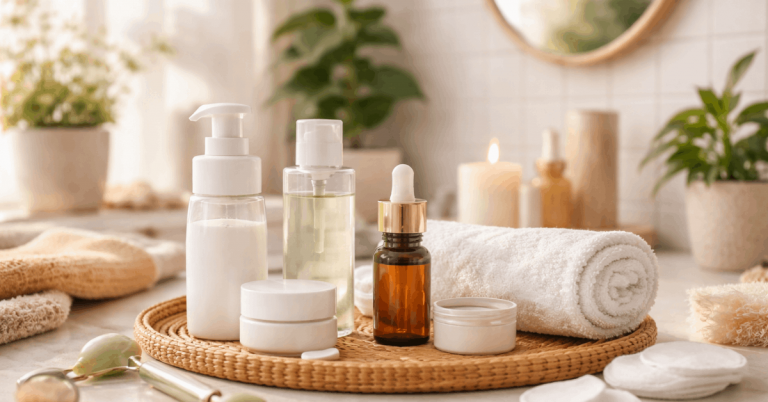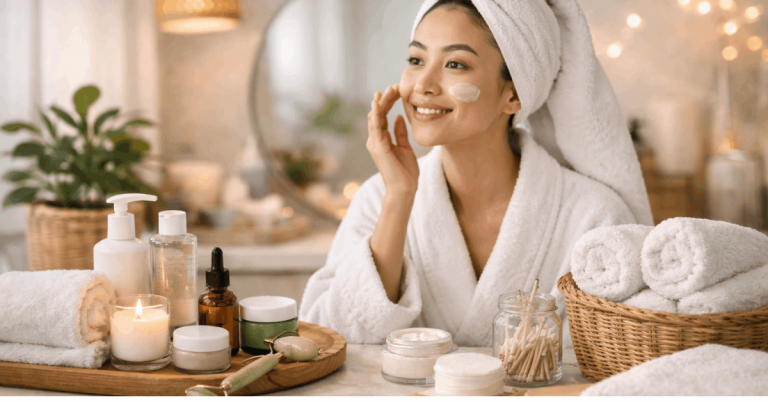
If you’re looking for healthier, smoother skin, focus on daily care. The best skincare habits that improve skin texture are simple, consistent, and tool-supported.
This article explains how your routine and habits can transform the way your skin feels and looks. You’ll find what works and what to avoid.
What Is Skin Texture and Why Does It Matter?
Your skin’s surface affects how it looks and feels. Knowing what influences texture helps you build smarter habits that lead to smoother skin.

What Does Healthy Texture Look Like?
Smooth skin reflects light evenly and feels soft to the touch. It shows fewer visible pores and less dryness.
Healthy skin texture has balance and elasticity. It results from regular care and minimal irritation.
Common Causes of Rough or Uneven Texture
Uneven texture often comes from buildup, dryness, or clogged pores. Poor exfoliation habits make dead skin accumulate.
Environmental stress can weaken the skin barrier. Inflammation and dehydration also worsen the surface.
Why Texture Affects Your Appearance?
Skin with a rough texture looks dull even with good products. Light doesn’t reflect well on uneven surfaces.
Bumpy areas make makeup look patchy. Texture issues also signal underlying skincare problems.
How Can Texture Be Improved?
Daily care with gentle products removes buildup and keeps the skin balanced. Moisturizing restores smoothness and softness.
Consistent habits help skin renew itself faster. Exfoliation and hydration both support better texture.
Start with Consistent Cleansing
A clean face is the base of healthy skin. Daily cleansing removes dirt, excess oil, and dead skin that can make the texture worse.
Use a gentle, pH-balanced cleanser both morning and night. If you wear makeup or sunscreen, double cleanse in the evening.
Don’t over-wash or scrub too hard. Stick to lukewarm water and clean towels.
The Role of Exfoliation in Texture Improvement
Exfoliation smooths the skin by removing dead surface cells. It also helps your products work better by improving absorption.
Chemical exfoliants like AHAs and BHAs dissolve buildup without damaging skin. Physical scrubs work but can be harsh if used too often.
For most skin types, two to three times a week is enough. Always moisturize after exfoliating.
Don’t Skip Moisturizing
Keeping your skin hydrated helps reduce rough patches and flaking. A good moisturizer strengthens the skin barrier and improves softness.
Look for ingredients like glycerin, ceramides, and hyaluronic acid. Apply right after cleansing to lock in moisture.
Lightweight gel formulas work well for oily skin. Creams and balms help dry or mature skin.
Protection Is a Daily Habit
Your skin is exposed to damage daily. Protecting it prevents long-term texture issues.
Sunscreen should be worn every day, not just when it’s sunny. Touching your face too much can spread bacteria.
Wash pillowcases and towels often. Always clean your tools and brushes weekly.
Tools That Help Improve Skin Texture
Some tools make daily care more effective. Choose ones that are safe and easy to clean.
Facial cleansing brushes give a deeper clean than hands alone. Silicone scrubbers are gentler and great for sensitive skin.
Use face rollers or gua sha to support circulation and reduce puffiness. Don’t overuse tools; stick to two or three times a week.
Smart Weekly Habits for Texture
Weekly treatments add extra support to your daily routine. They target deeper buildup and dullness.
Use a clay mask to pull out oil and impurities. Hydrating masks smooth out flaky areas.
Try overnight exfoliating serums with lactic acid or enzymes. A short steam session can open pores for better cleansing.
Supporting Skin Texture with Lifestyle
Skin health is connected to your daily habits. How you sleep, eat, and manage stress matters too.
Sleep and Skin Renewal
Your skin repairs itself while you sleep. Poor sleep slows down skin cell turnover. Try for 7–9 hours of rest nightly. Use a clean pillowcase to avoid oil and dirt buildup.
Diet and Hydration
Drink enough water throughout the day. Eat more fruits, vegetables, and omega-rich foods.
Avoid high sugar and processed foods when possible. These cause inflammation that can affect the skin.
Stress and Skin Texture
Stress increases oil production and slows healing. Take regular breaks and move daily.
Short walks or breathing exercises can help. Less stress often means better skin balance.

Avoiding Common Mistakes That Worsen Texture
Bad habits cancel out good skincare. Avoid these common routines.
Harsh Scrubs or Towels
Don’t use rough towels or large-grain scrubs. These can create microtears. Choose soft cloths and gentle pressure. Focus on lifting debris, not scrubbing it away.
Skipping Sunscreen
UV exposure worsens texture fast. Apply sunscreen every morning. Reapply if you go outdoors for more than 2 hours. Choose SPF 30 or higher.
Ignoring Your Skin Type
Use products that suit your skin. Dry skin needs heavier moisture. Oily skin benefits from balancing toners. Knowing your skin type prevents irritation.
What a Texture-Friendly Routine Looks Like?
Consistency makes the difference. A simple plan goes a long way.
Morning: cleanse, apply a hydrating toner or serum, moisturize, then sunscreen. Evening: double cleanse, exfoliate twice a week, moisturize well.
Use masks once or twice a week based on your needs. Clean your tools and pillowcases weekly.
Ingredients That Improve Texture
Choose ingredients that target roughness and uneven tone. Start slow with activities.
- Glycolic and lactic acid exfoliate gently over time.
- Niacinamide reduces pores and strengthens the barrier.
- Retinol helps with long-term smoothing (start with a low %).
- Ceramides restore softness and reduce sensitivity.
When to Get Professional Support?
Sometimes your skincare routine isn’t enough on its own. Certain signs call for professional help instead of guessing at solutions.
- Visit a dermatologist if texture issues like bumps or roughness persist despite good habits.
- Ask about advanced treatments such as chemical peels or microneedling for deeper correction.
- Professionals help you avoid wasting money on trial-and-error products that don’t work.
- Always follow aftercare instructions and seek ongoing expert guidance post-treatment.
Build Good Habits, Not Just a Routine
Real results come from smart habits. Focus on doing less, but doing it right.
Stick with what your skin responds to. Avoid overloading your routine with too many products.
Introduce one new product at a time. Track your results every two weeks.
The Final Takeaway
Improving your skin is a daily effort that pays off over time. The best skincare habits that improve skin texture focus on cleansing, exfoliation, hydration, and protection.
Avoiding common mistakes and using the right tools can elevate your routine. Keep it simple, stick with it, and watch your skin get smoother every week.