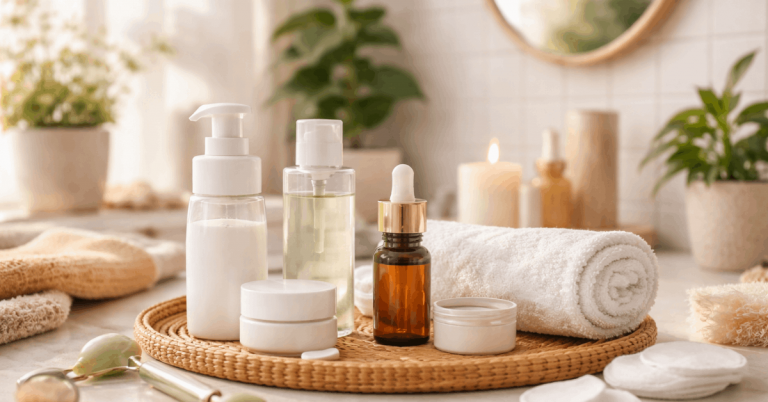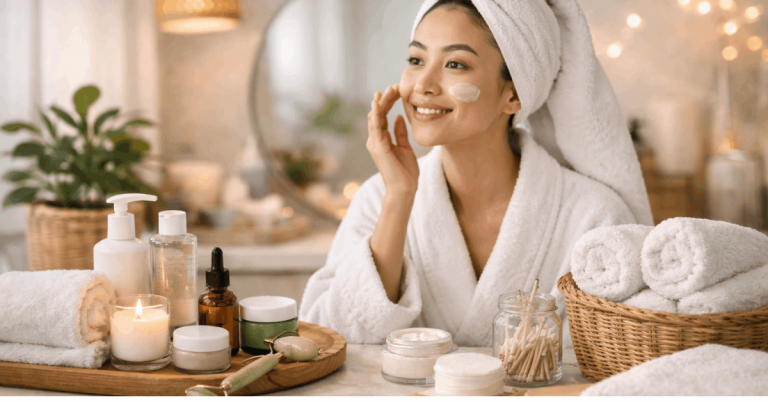
Skincare is part of daily personal care that many overcomplicate. When you simplify your skincare routine, you create a process that’s faster, easier, and more effective.
You don’t need dozens of products or a 10-step process to get results. This article breaks down everything you need to know to keep your skincare minimal, effective, and practical.
Why is a Simple Routine More Effective?
Less is often more when it comes to skincare. Using too many products can overwhelm your skin and cause reactions.
Simpler routines are easier to follow and reduce your chances of irritation. You focus only on what your skin truly needs.
Know Your Skin Type First
To simplify, you need to know your skin’s behavior. Your skin type influences which products are necessary and which ones to skip.
Using products that don’t match your skin leads to imbalance and wasted effort. Learn how your skin reacts daily and seasonally.

How to Identify Your Skin Type?
One way to simplify is to know what you’re working with. A clean face blot test helps identify your skin type.
- If your face feels tight and flaky, you likely have dry skin.
- If it appears shiny all over, it’s oily.
- If only your T-zone is oily, it’s a combination.
- If there’s no excessive dryness or oil, it’s normal.
Why This Matters?
Matching products to your skin type prevents unnecessary purchases. It also improves results in less time.
For example, dry skin needs richer creams, not foaming cleansers. Oily skin benefits from lightweight, non-comedogenic options.
Adjust as Needed
Skin type can change with age, weather, or stress. Check in every few months and adjust products.
You don’t need a full overhaul—just switch key items. This keeps your routine targeted and efficient.
Three Essential Steps Only
Every skin type needs basic care. When you simplify your skincare routine, start with only three steps: cleanse, moisturize, and protect.
These steps are enough for daily care and long-term skin health. Everything else is optional.
Step 1: Cleanser
Choose a gentle cleanser that removes dirt without stripping your skin. Foaming cleansers work for oily types; cream cleansers are better for dry skin.
Avoid harsh soaps or exfoliating scrubs daily. Over-cleansing weakens your skin barrier.
Step 2: Moisturizer
A moisturizer keeps your skin barrier strong. Lightweight gels work for oily skin, and creams are ideal for dry skin.
Use the right amount—too much can clog pores. Apply twice daily after cleansing.
Step 3: Sunscreen
SPF is non-negotiable if you’re going outside. It protects against aging, sunburn, and long-term skin damage.
Use SPF 30 or higher every morning. Reapply if you’re outdoors all day.
When to Add Extras?
Once the basics are in place, you may add targeted treatments. Only add products with clear purpose.
Avoid layering too many actives, which can irritate skin. Less mixing means fewer chances of conflict between ingredients. Use serums for specific concerns:
- Serums are optional, not essential. Choose one to address one main issue.
- Vitamin C for dullness or dark spots.
- Niacinamide for large pores or oiliness.
- Salicylic acid for acne control.
Don’t Overload Treatments
Stick to one treatment at a time. This avoids ingredient clashes like retinol and acids.
Apply serums before moisturizer, on clean skin. Observe how your skin reacts before adding more.
Tools That Make It Even Simpler
Using a few key tools can improve your results. These tools help products work better and save time.
No need for expensive spa visits. Just stay consistent and clean your tools regularly.
Facial Cleansing Brush
This boosts your cleanser’s effect by gently exfoliating. Silicone models are more hygienic and safe for daily use.
Use once a day or a few times per week. Don’t overuse if you have sensitive skin.
Face Roller or Gua Sha
These tools help with circulation and reduce puffiness. Use after applying serum or oil.
A few strokes daily are enough. Keep tools clean and storethem in a cool place.
LED or Microcurrent Devices
Home devices save time and support results. LED tools help calm breakouts and redness.
Microcurrent tools can improve tone and elasticity. Use 2–3 times weekly for best results.
Keeping Your Routine Clean and Consistent
Learn how small changes make routines more manageable. These tips help you stay consistent without adding unnecessary steps.
Declutter Your Shelf
Go through your products monthly. Keep only what you use daily or weekly. Discard anything expired or unused. A cleaner space means less confusion.
Choose Multi-Use Products
Some products do more than one job. Moisturizers with SPF, or tinted sunscreens, save time.
Cleansing balms that remove makeup and cleanse are efficient. Less clutter means faster routines.
Stick to the Same Routine for a Few Weeks
Don’t switch products too fast. Give at least three weeks to see results. Changing too often prevents your skin from adjusting. Consistency is what simplifies results.
Morning Vs. Evening Routine
Both routines should stay simple. Morning should focus on protection.
Evening should focus on recovery. You don’t need separate products unless your skin requires them.
Morning Routine
Cleanse lightly, especially if you have oily skin. Moisturize and apply SPF. If you use a serum, keep it light. Avoid heavy products under makeup.
Evening Routine
Use a richer moisturizer to restore moisture lost during the day. Add a treatment serum if needed.
Cleanse thoroughly to remove sunscreen and pollution. Avoid strong actives unless your skin is used to them.

Easy Routines by Skin Type
Here are simplified plans based on your skin type. Keep your steps clear and tailored to your needs.
Normal Skin:
- AM: Cleanser, Moisturizer, SPF
- PM: Cleanser, Moisturizer
Oily Skin:
- AM: Foaming Cleanser, Oil-Free Moisturizer, SPF
- PM: Cleanser, Niacinamide Serum, Gel Moisturizer
Dry Skin:
- AM: Cream Cleanser, Hydrating Serum, Cream Moisturizer, SPF
- PM: Cleansing Balm, Hyaluronic Acid, Rich Moisturizer
When to Adjust Your Routine?
Not everything needs to change constantly. But there are signs when a small update helps. Don’t overhaul everything at once. Just adjust one product at a time.
Seasonal Changes
Winter may need richer moisturizers. Summer may need lighter textures. SPF is important year-round. Stay flexible, not reactive.
Skin Reaction or Irritation
If redness or dryness appears, remove new products first. Go back to basics until your skin recovers. Slowly reintroduce products. This avoids prolonged damage.
Hormonal or Lifestyle Shifts
Stress, sleep, and diet affect your skin. If you’re breaking out or dull, your routine may need support.
Add sleep, water, and one new serum if necessary. Always rule out lifestyle before product overload.
Final Words: Ready to Streamline?
When you simplify your skincare routine, you create more space and see better results. Focus on consistency, not quantity.
Choose the right tools and formulas for your needs. Small changes lead to lasting improvements.