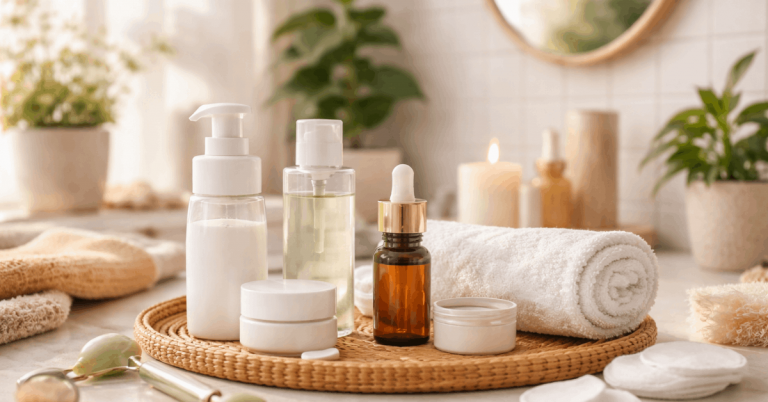
Clear skin doesn’t require expensive products or complicated routines. The key lies in consistent and effective skincare practices for clearer skin.
By understanding what your skin needs and following a few simple habits, you can see real results. This guide will give you everything you need to know in a clear, easy-to-follow format.
Understand Your Skin Before You Start
Before building a routine, you need to know your skin type and habits. Your personal triggers affect what works and what doesn’t.

Skin Types and Why They Matter?
Each skin type reacts differently to skincare. Oily skin needs balance, while dry skin requires more moisture.
Combination skin needs targeted care, not one-size-fits-all solutions. Knowing your skin type avoids trial-and-error.
Common Triggers to Watch
Diet, stress, sleep, and hormones can impact your skin. Track when breakouts occur to identify patterns.
Limit sugar and dairy if you notice flare-ups. Adjust your routine during your monthly cycle if needed.
Misunderstanding Skin Conditions
Not every pimple is acne, and not all dryness is dehydration. Mislabeling your issue leads to the wrong product use.
If you’re unsure, stick to gentle products until you get clarity. For chronic issues, consult a dermatologist.
Build a Simple Routine That Works
Start with a clear, three-step plan. Your skin improves with daily repetition.
Cleansing With Purpose
Use a gentle cleanser that suits your skin type. Clean twice a day—morning and night.
Avoid harsh soaps or scrubs that strip the barrier. Cleansing preps the skin for other steps.
Toner and Moisturizer Basics
Toners are optional but helpful for oil control or hydration. Choose alcohol-free versions.
Moisturizer is a must, no matter your skin type. Lightweight gel for oily skin, thicker cream for dry skin.
Never Skip Sunscreen
Sunscreen protects from long-term skin damage and dark spots. Use SPF 30 or higher daily.
Apply even when indoors or on cloudy days. It prevents hyperpigmentation and early aging.
Add Weekly Habits to Support Your Routine
These extras help boost your results, but don’t replace your core routine.
Gentle Exfoliation
Use chemical exfoliants with AHAs or BHAs once or twice a week. Avoid scrubs that cause micro-tears. Apply to clean skin and rinse off as instructed. Don’t overuse it to avoid irritation.
Smart Use of Face Masks
Choose masks based on skin needs—clay for oil, gel for hydration. Use them weekly, not daily.
Avoid DIY masks with citrus or harsh ingredients. Follow with a light moisturizer.
Spot Treatments and Serums
Use treatments only on problem areas. Salicylic acid or niacinamide works for most breakouts.
Apply them after toner and before moisturizer. Don’t layer too many activities at once.
Practice Clean Habits Daily
Skincare isn’t just about what you put on your face. Your habits affect how well products work.
- Avoid touching your face throughout the day. This prevents dirt and bacteria from entering pores.
- Change pillowcases twice a week. Oil and sweat build up fast and clog skin.
- Clean your phone screen regularly. Pressing it to your face transfers bacteria.
- Wash your hands before applying skincare. Dirty hands ruin clean skin.
Use Tools Only When Necessary
Tools help if used correctly. Don’t rely on them to fix poor routines.
Facial Rollers and Massage Tools
These help with puffiness and blood circulation. Use upward strokes and don’t apply too much pressure.
Keep tools clean to avoid breakouts. Store them in a cool place for the best results.
Silicone Cleansing Brushes
Great for deep cleaning, especially for oily skin. Choose soft bristles to avoid damage. Use once daily or every other day. Always wash the tool after each use.
LED and Home Devices
Some blue or red light tools support acne care. Check the wavelength and timing instructions. Use sparingly and combine with a proper skincare routine. Results take time, not instant fixes.
Healthy Skin Starts Inside
Your lifestyle matters. A good diet complements your skincare steps.
Water and Real Hydration
Hydration helps, but don’t expect miracles. Aim for 6–8 glasses daily. Eat water-rich foods like cucumber and melon. Skin dries out when your body is dehydrated.
Foods That Support Skin Health
Your skin benefits directly from what you eat every day. Focus on nutrient-dense foods that reduce inflammation and support renewal.
- Add leafy greens and berries. They contain antioxidants.
- Eat omega-3-rich foods like fish and walnuts. These fight inflammation.
- Cut processed sugar when possible. It spikes oil production and causes breakouts.
- Balance your meals. Don’t crash diet or skip essential nutrients.
Supplements That Might Help
Zinc, vitamin C, and biotin support skin renewal. Ask a doctor before starting any supplement.
Take them with meals to avoid stomach issues. Don’t expect overnight results.

Avoid Common Mistakes That Delay Progress
Even with the right products, small mistakes hold you back. Let’s break them down.
Product Hopping
Changing your routine every week prevents results. Stick to one method for at least four weeks. Let your skin adjust. Keep changes minimal.
Overdoing It
Exfoliating too much damages your skin barrier. Using too many activities at once can cause sensitivity.
Simpler routines are easier to maintain. You don’t need every trendy product.
Skipping SPF and Night Care
Sunscreen is critical even when staying indoors. At night, your skin repairs itself—don’t skip cleansing and moisturizing.
Use your evenings to treat and restore. Keep things light but effective.
Stay Realistic and Consistent
Results don’t happen overnight. Here’s how to stay on track.
Track Your Skin Changes
Take weekly photos to measure progress. Don’t obsess over daily changes. Look at long-term patterns. Adjust only after consistent use.
Adjust Based on Seasons and Hormones
Your skin reacts to heat, humidity, and cold. Change moisturizers if your skin gets dry or oily.
Hormonal shifts might require short-term changes. Keep your routine flexible.
When to See a Dermatologist?
If breakouts are painful or leave scars, get professional help. Don’t wait months hoping it will pass.
A dermatologist can recommend treatments that actually work. Use that advice to upgrade your routine.
Keep It Simple, Keep It Clear
Good skincare doesn’t need to be expensive or trendy. You just need the right skincare practices for clearer skin that work for you.
Focus on clean habits, consistent routines, and minimal but effective products. Simplicity builds results you can trust.