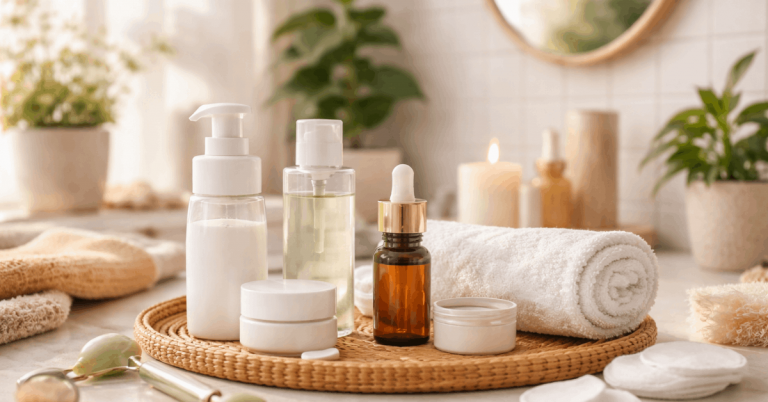
Skin irritation can happen even with products you use every day. This article will help you reduce skin irritation from daily products by identifying what causes it and how to fix it.
You may not notice right away, but small changes in your skin can mean something is off. This guide gives clear, easy steps to protect your skin without overcomplicating your routine.
Learn to Spot the Early Signs
Many people ignore the early signs of irritation until it gets worse. Catching them early helps you take fast action and avoid further damage.
Common Signs of Irritation
Not all irritation shows up right away. Pay attention to how your skin feels and looks after using any product.
- Itching or a burning feeling can happen within minutes of application.
- Redness, tightness, or discomfort may show up over time with repeated use.
- Bumps, flakiness, and dry patches are often signs that your skin barrier is compromised.
- The more you track your skin’s reaction, the easier it becomes to spot patterns and avoid triggers.
Irritation Vs. Allergy
An allergic reaction involves the immune system. Irritation is usually about overuse or sensitivity.
Allergies can cause swelling and need medical care. Irritation clears up faster when the trigger is removed.

Products That Often Trigger Issues
Cleansers, toners, hair sprays, and some moisturizers are common culprits. Products with long ingredient lists can increase risk.
Fragrances and preservatives are leading causes of irritation. Even “natural” products can cause trouble.
Pinpoint What Causes Your Reaction
It’s not always the product itself, but what’s inside it. A few common categories are responsible for most skin reactions.
Ingredients That Commonly Irritate
Many irritants hide behind technical names. Here are the most frequent offenders and how they affect you:
- Alcohols like SD alcohol or denatured alcohol strip your skin’s moisture.
- Sulfates, such as SLS or SLES, create foam but damage your skin barrier.
- Fragrance mixes, even when listed as “natural,” can cause sensitivity.
- Parabens and similar preservatives can trigger reactions in sensitive skin.
- Essential oils like peppermint or citrus may seem harmless, but are potent irritants.
Read Labels With Purpose
Being informed starts with reading labels properly. Avoid trusting vague terms like “gentle” or “for all skin types.”
Focus on Ingredient Order
Ingredients are listed in descending order. If a harsh one is near the top, it’s present in higher amounts.
Products with fewer ingredients are often safer. Look for clear labeling and avoid hidden terms like “parfum.”
Don’t Rely on Marketing Labels
“Hypoallergenic” is not a guarantee. These terms are unregulated and vary by brand.
Always patch test new products, no matter how safe they seem. The safest product is one that works for you personally.
Spot and Avoid Red Flags
Check for known irritants every time. Learn to recognize triggers that affect you most.
If you’re unsure about a name, look it up before using the product. Being consistent helps reduce future breakouts.
Better Alternatives Exist
Many irritants can be swapped for gentler options. You don’t need to sacrifice results for safety.
Choose Fragrance-Free and Dye-Free
Products without scents or colors are less likely to cause problems. Look for labels that clearly say “fragrance-free,” not just “unscented.”
Some unscented items still use masking fragrances. Stick to transparent brands.
Pick Barrier-Supportive Moisturizers
Use creams with ceramides, glycerin, or hyaluronic acid. These help restore and support your skin’s natural defense.
Avoid moisturizers with alcohols and strong plant oils. Simpler is better for damaged or sensitive skin.
Try pH-Balanced Products
Healthy skin has a slightly acidic pH. Choose cleansers and toners with a pH around 5.5.
Avoid anything labeled as alkaline or deep cleansing. Your skin barrier works best when pH is stable.
Simplify Your Routine to Avoid Overload
Too many products or steps can confuse your skin. Focus on keeping it minimal and intentional.
Reduce Steps in Your Routine
Stick to three core steps: cleanse, moisturize, and protect. Add treatments only when needed.
Using fewer products means fewer chances for irritation. Always introduce new items one at a time.
Watch Your Application Technique
Don’t rub products in too hard or use too much. Gentle, upward motions work best.
Wait between steps so each product can absorb properly. Be patient and give your skin time to respond.
Don’t Layer Strong Actives
Using retinol, acids, and vitamin C at once overwhelms your skin. Spread them across your week instead.
Always start with the weakest version. Use sunscreen daily when using activities.
Know Your Tools and Their Effects
How you apply products matters as much as what you use. Brushes, towels, and heat tools can add to irritation.
Keep Brushes and Towels Clean
Dirty brushes hold bacteria that harm your skin. Wash them at least once a week. Use soft microfiber towels to dry your face. Replace washcloths often.
Watch Out for Hot Water and Heat Tools
Hot water strips your skin barrier fast. Use lukewarm water for face and hair washing.
Hair dryers and styling tools near the face can worsen irritation. Keep heat directed away from skin.
Avoid Harsh Hair Products Near the Face
Hair sprays and gels can touch the skin without you noticing. These often contain alcohol and fragrances.
Switch to lighter formulas or avoid the hairline. Wash your face after styling if needed.
Everyday Habits That Help
Small daily habits can protect your skin long term. Think about your environment and the objects that touch your face.
Keep Your Surroundings Clean
Change pillowcases 1–2 times a week. Wipe down your phone daily. Avoid resting your hands on your face. These steps lower your contact with bacteria.
Stay Hydrated and Nourished
Drink enough water during the day. Eat a balanced diet with skin-supportive nutrients.
Vitamins A, C, and E help your skin repair. Avoid excessive sugar and processed foods.
Shorter Showers, Less Damage
Limit showers to under 10 minutes. Use lukewarm water and avoid scrubbing. Pat dry with a soft towel. Apply moisturizer right after, while skin is damp.

When Is It Time to Get Help?
Sometimes irritation doesn’t improve on its own. A dermatologist can guide you when basic changes aren’t enough.
Persistent Symptoms Need Attention
If redness or burning lasts more than a few days, stop all products. Let your skin reset for 3–5 days. Then, reintroduce one product at a time. See a specialist if things don’t clear up.
Look for Patterns in Your Breakouts
If irritation keeps returning, track what you’re using. Keep a short journal of your routine. Write down products, foods, and lifestyle factors. Patterns will help your doctor identify triggers.
Use Prescribed Treatments Wisely
Only use medicated creams as directed. Overuse can make things worse. Don’t rely on strong treatments as your main solution. Focus on prevention first.
Final Thoughts: Stop the Cycle of Skin Discomfort
You don’t have to live with irritated skin. By learning how to reduce skin irritation from daily products, you take control of what touches your skin.
A simplified routine and careful product choices make a big difference. Protect your skin by treating it gently and consistently.