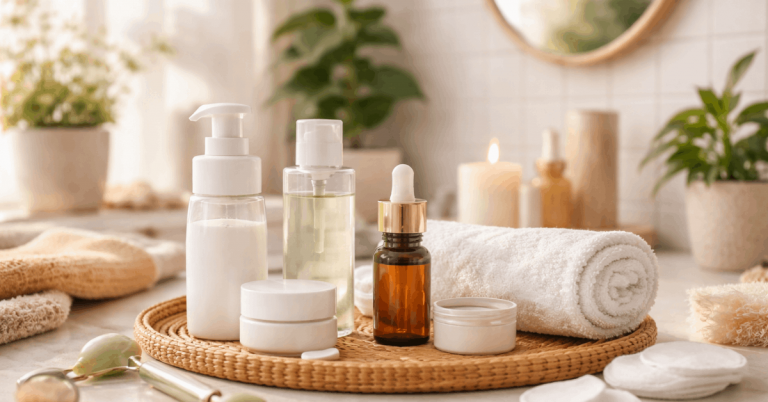
Keeping your skin healthy doesn’t require expensive treatments or complicated routines. Many people are now searching for how to improve skin health naturally without relying on synthetic products.
This guide provides practical, effective ways to nourish your skin through accessible habits and ingredients. You’ll learn what works, what to avoid, and how to stay consistent.
Understanding What Healthy Skin Really Means
Your skin reflects your overall health, not just your beauty routine. Knowing what’s normal and what’s not is essential before you try to fix anything.

What Healthy Skin Looks and Feels Like?
Healthy skin feels smooth, has an even tone, and doesn’t show signs of constant irritation. It’s not about being poreless or glowing under lights.
Your skin should feel hydrated, not greasy or dry. A slight natural shine means it’s balanced.
Common Skin Issues and Their Root Causes
Dryness, oiliness, redness, and breakouts all point to deeper imbalances. Poor sleep, stress, dehydration, and harsh products often trigger these problems.
Lifestyle plays a big role in how your skin behaves. Fixing habits usually works better than applying more creams.
Why Simplicity Helps More Than Complexity
Using too many products can confuse your skin. Stick to a minimal routine with proven steps.
Avoid mixing too many actives or ingredients. Focus on building strong daily habits instead.
Daily Habits That Support Skin Health Naturally
Simple habits often make the biggest difference. If you want real results, start with your daily routine.
- Drink more water throughout the day to support hydration from within. Harvard School of Public Health recommends consistent water intake for overall health.
- Sleep at least 7 hours per night to allow your skin to repair itself. Lack of rest often triggers inflammation and uneven tone.
- Lower your stress levels by exercising, journaling, or taking breaks. Chronic stress contributes to breakouts and poor healing.
- Avoid smoking or excess alcohol, as both damage the skin’s natural elasticity and glow.
These habits are the foundation of better skin.
Simple Natural Skincare Routine for Beginners
A daily routine doesn’t need 10 steps to be effective. Focus on gentle, nourishing actions that protect your skin barrier.
Step 1: Cleanse With a Gentle Natural Base
Choose a sulfate-free cleanser made with aloe vera, cucumber, or green tea. Avoid scrubs or foaming agents that strip your natural oils.
Wash only twice daily. Let your skin breathe in between.
Step 2: Tone and Rebalance Without Alcohol
Toners with rose water or witch hazel help remove leftover dirt and calm the skin. Don’t use anything that stings or smells too strongly.
Apply using a cotton pad or your fingers. Pat it in, don’t rub.
Step 3: Moisturize With Plant-Based Oils
Jojoba oil, sweet almond oil, and squalane are ideal for most skin types. Healthline outlines the benefits of jojoba oil for skin hydration.
Choose lightweight oils that absorb well. Apply while your skin is still slightly damp. Use day and night for better results.
Natural Ingredients That Actually Work
These ingredients have stood the test of time and research. You don’t need fancy labels to get great results.
Aloe Vera
Aloe soothes irritation, reduces redness, and promotes healing. NIH confirms its topical benefits for minor wounds and skin conditions.
You can apply the raw gel directly from the leaf. It’s best for dry, sun-damaged, or sensitive skin.
Honey
Raw honey is antibacterial and locks in moisture. It helps fade marks and prevent new pimples.
Use as a 10-minute mask weekly. Rinse with lukewarm water.
Turmeric
Known for its anti-inflammatory benefits, turmeric helps calm active breakouts. Cleveland Clinic explains how turmeric supports skin health.
Mix a small amount with yogurt or honey. Use sparingly to avoid yellow stains.
Nutrition’s Role in Your Skin Health
What you eat is just as important as what you apply. Focus on skin-friendly foods and avoid the ones that sabotage your progress.
- Eat more healthy fats, such as avocados, chia seeds, and salmon. The American Academy of Dermatology links omega-3 fatty acids to skin barrier support.
- Get vitamins from real food, including Vitamin A (carrots), C (citrus), and E (almonds). These nutrients help protect and repair skin.
- Limit sugar and processed snacks, which can cause inflammation and breakouts. Watch your dairy intake, too, if you’re acne-prone.
- Stay consistent with hydration. Add fruits like cucumber, orange, and watermelon to your diet to increase water intake.
Smart Adjustments You Can Make Right Away
Small changes at home can reduce skin irritation and boost your results.
Switch to Clean Towels and Pillowcases
Bacteria build up quickly on fabric. Mayo Clinic suggests using clean fabrics to avoid acne flare-ups.
Change your pillowcase twice a week. Use a fresh towel for your face daily. These steps help prevent breakouts.
Avoid Touching Your Face
Your hands carry oils and dirt. Touching your face can transfer unwanted bacteria. Keep your hands clean and away from your cheeks.
Use Sun Protection
Sun damage speeds up aging and dark spots. Choose natural mineral sunscreens with zinc oxide.
Skin Cancer Foundation emphasizes the importance of daily sunscreen use. Reapply if you’re outside for long periods.

The Best Natural Moisturizers for Skin Balance
Keeping your skin hydrated is the most important daily goal. You don’t need expensive creams—just the right ingredients.
Jojoba Oil for All Skin Types
Jojoba closely mimics your skin’s natural sebum. It absorbs quickly without clogging pores. Ideal for combination or acne-prone skin. Use 2–3 drops after cleansing.
Shea Butter for Deep Moisture
Rich and nourishing, shea butter works best for dry or flaky skin. Apply a small amount at night.
It locks in hydration and smooths rough patches. Avoid during hot weather if you have oily skin.
Squalane for Lightweight Hydration
Squalane is ideal if you want moisture without the grease. It suits sensitive and oily skin. Byrdie breaks down how squalane works and who should use it.
Use under sunscreen or at night. Look for plant-derived versions.
Best Weekly Treatments to Add Naturally
Routine isn’t just about daily habits. Weekly care provides a deeper reset.
Exfoliate Gently With Natural Ingredients
Use oatmeal or rice flour once a week to remove dead skin. Avoid scrubs with large particles. Massage lightly in circles. Rinse with cool water.
Use Face Masks With Kitchen Staples
Mix honey and yogurt for calming, moisturizing effects. Try banana and turmeric for brightening.
Apply for 10–15 minutes. Don’t exceed more than twice per week.
When Should You See a Professional?
Natural methods work best for maintenance. But sometimes, your skin needs more help.
- If your breakouts are severe or painful, consult a dermatologist.
- If rashes keep coming back or spreading, seek medical advice.
- If you’re reacting to a natural product, stop immediately and patch test new ones.
- Professional care doesn’t cancel your natural goals—it just supports them safely.
- Knowing when to get help is part of smart skincare.
Your Easy Daily Routine Recap
Keep your skincare process light and consistent. Below is a sample plan to follow.
- Morning: Cleanse, tone, apply light oil or moisturizer, use sunscreen.
- Evening: Cleanse, apply soothing oil or butter, avoid harsh actives.
- Weekly: Gentle exfoliation and one nourishing mask.
- Keep your products minimal and let your skin adjust.
- This works best when paired with healthy food, sleep, and hydration.
Skin Confidence Begins With Simplicity
You don’t need complicated routines to figure out how to improve skin health naturally. Natural ingredients and daily habits make a bigger difference than high-priced formulas.
Focus on consistency, gentle care, and smart choices every day. Long-lasting skin health comes from within and starts with how you live.