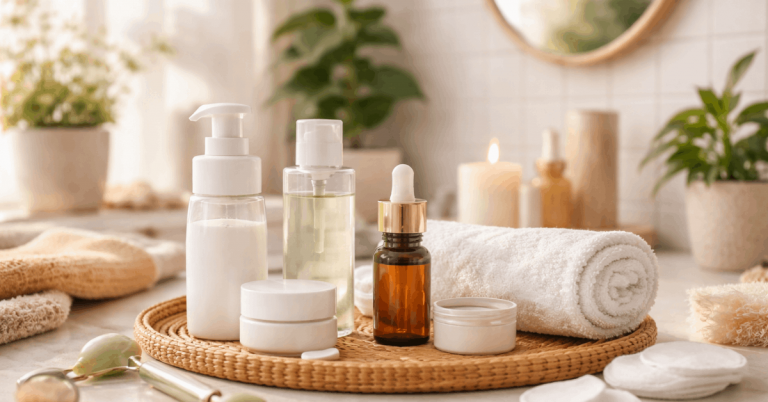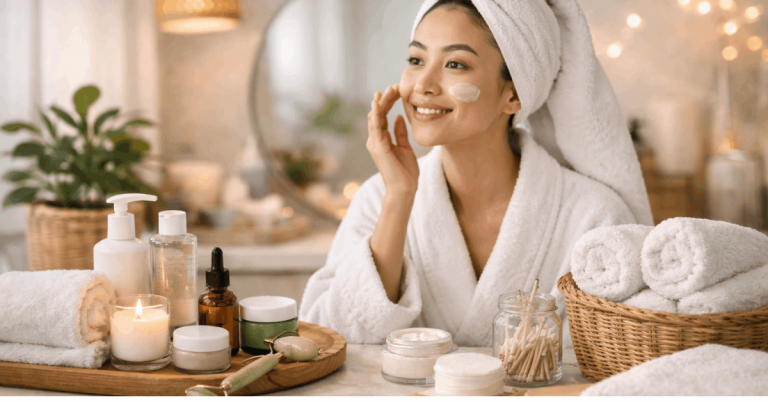
Not all skincare routines have to be complex. The goal is to highlight the skincare essentials everyone should own to build a reliable routine.
You don’t need dozens of products; just the right ones that match your skin type. This guide focuses on effective, everyday personal care tools for clean, healthy skin.
Understanding What Your Skin Actually Needs
Everyone’s skin has different needs, but the basics are the same. Knowing your type will help narrow down the most essential products.
You can’t build a routine without understanding what you’re treating. Skip the guesswork and learn what your skin wants.
Skin Type and Why It Matters
Your skin type affects which products will actually work. Oily skin benefits from gel cleansers and lightweight moisturizers.
Dry skin prefers richer creams with ceramides or oils. Combination skin needs a careful balance between hydration and oil control.

Changing Skin Needs Over Time
Climate, age, and stress affect your skin. Your summer routine may not work in winter.
Hormones and lifestyle choices shift what products you need. Watch how your skin reacts and adjust accordingly.
The Basic Kit You Should Never Skip
A minimal routine works when it’s consistent. The next few products are your must-haves. Each serves a non-negotiable role in skin health. Start with these.
Gentle Cleanser
A good cleanser removes dirt, sunscreen, and excess oil. Use a gel-based one for oily skin, and a cream-based one for dry skin.
Cleansing twice a day helps prevent buildup. Avoid products with harsh sulfates or strong fragrances.
Hydrating Moisturizer
Moisturizer keeps your skin barrier strong. Choose something with hyaluronic acid or ceramides.
Use a lightweight formula in the day and a richer one at night. Apply while your skin is still damp for better absorption.
Sunscreen – SPF 30+
UV protection prevents long-term skin damage. Sunscreen is the most effective anti-aging product.
Apply it every morning, even indoors or on cloudy days. Reapply every two hours if you’re outside.
Helpful Add-Ons for Specific Skin Goals
Once your basics are solid, you can add more based on your needs. These are optional but useful. Introduce one at a time to avoid irritation. Let your skin adjust.
Exfoliator
Exfoliating clears dead skin and promotes cell turnover. Chemical exfoliants like AHAs and BHAs are better than scrubs.
Use once or twice weekly, not daily. Always follow with moisturizer and sunscreen.
Toner
A toner balances pH and preps your skin. Look for hydrating options with glycerin or rose water.
Avoid alcohol-based toners that dry out the skin. This step is optional, but can help in humid climates.
Serum
Serums deliver targeted ingredients deeper into the skin. Vitamin C helps with brightening and dark spots.
Niacinamide controls oil and boosts hydration. Hyaluronic acid locks in moisture effectively.
Practical Skincare Tools Worth Owning
The right tools improve your routine’s efficiency. They make skincare cleaner, faster, and more effective. Focus on reusable, easy-to-clean items. Don’t overcomplicate it.
Cleansing Brush or Silicone Pad
These help remove more debris than your hands alone. Use them gently to avoid irritation. Choose silicone for easy cleaning. Avoid daily use if you have sensitive skin.
Reusable Cotton Rounds
These are better than disposable pads. Use for toner, micellar water, or makeup removal.
Wash after every use to avoid bacteria buildup. They reduce waste and save money over time.
Spatulas and Applicators
Keep jars sanitary with spatulas. Don’t dip your fingers into products.
Applicators help with even layers of masks or treatments. Always wash before and after use.
Daily Vs. Nightly Products: Keep It Simple
Routines don’t need to be long. Just be consistent and adjust based on the time of day. Some products work best while you sleep. Know the difference.
Morning Must-Haves
A cleanser, light moisturizer, and SPF are non-negotiable. These prepare your skin for pollution, sunlight, and stress.
Stick with lightweight, fast-absorbing textures. Less is more in the morning.
Nighttime Basics
At night, your skin focuses on repair. Use a richer moisturizer or sleeping mask.
Add a serum if your skin needs extra care. Lip balm and gentle eye cream can also help.
Budget-Friendly Routine Building
You don’t need expensive brands. Focus on function, not hype. Drugstore products can be highly effective. Choose based on ingredients, not packaging.
Prioritize the Essentials First
Spend more on moisturizer or SPF if needed. Cleansers and toners can be low-cost without sacrificing quality. Invest gradually in add-ons. Track how your skin responds.
Avoid Product Overload
Too many products cause confusion and irritation. Stick with 3 to 5 core items. Avoid using multiple activities at once. Build slowly and observe changes.

Common Skincare Mistakes to Watch For
Avoiding these saves time and protects your skin. Many people unknowingly sabotage their routine. These are easy to correct. Start with awareness.
Over-Exfoliating
Scrubbing too much damages your barrier. Redness and peeling are warning signs. Once or twice a week is plenty. More isn’t better.
Ignoring Expiration Dates
Skincare expires, even if it looks fine. Check dates, especially for SPF and actives. Throw out products that change color or smell. Store them in cool, dry places.
Skipping Sunscreen
Sunscreen isn’t optional. It protects against visible and invisible damage. Missing this step cancels out other efforts. Reapply regularly for full protection.
Special Situations and Seasonal Adjustments
Your skincare should adapt to life changes. Below are three areas where this matters most.
Cold Weather Skin Care
Cold air strips moisture. Use thicker creams and hydrating masks. Add a humidifier if your indoor air is dry. Avoid hot water during cleansing.
Summer and Sweat Control
Sweat increases clogged pores. Choose lighter formulas and oil-free products. Cleanse gently but thoroughly. Blotting papers can help on the go.
Skin Recovery After Illness
Post-illness skin can be dry or inflamed. Stick to basics: cleanser, moisturizer, sunscreen. Avoid harsh activities temporarily. Let your skin regain balance.
Easy Routine Builder for Beginners
Routines don’t have to be 10 steps. Here’s how to start smart.
The 3-Step Daily Starter
This is the simplest and most effective way to begin. Stick to this list before adding anything more advanced.
- Cleanser: Use a gentle cleanser that removes dirt, oil, and residue without stripping your skin.
- Moisturizer: Choose a lightweight or richer cream based on your skin type to lock in hydration.
- Sunscreen: Apply broad-spectrum SPF 30+ daily to protect your skin from UV damage and prevent aging.
Add-On Layer for Targeted Goals
Once your base is stable, introduce one serum. Pick based on your skin concern: acne, dullness, dryness. Use it 3–4 times weekly to test. Track how your skin feels.
Optional Weekly Boosters
Face masks, exfoliants, and night treatments can come later. Use once or twice a week maximum. These are supplements, not replacements. Don’t stack too many.
Your Takeaway Kit: Start Simple, Stay Consistent
Skincare doesn’t need to be complicated. The skincare essentials everyone should own are based on function, not brand.
Focus on a few solid products that meet your skin’s needs. Build a system that fits your lifestyle and budget, not hype.